





Growing up as a Dominican American in New Jersey, the cultural connection to family and heritage did not always arrive through explicit historical lessons or direct geographic proximity to the Caribbean. Instead, for many children of immigrants navigating life in the United States during the late twentieth century, that profound bridge was built in the living room, illuminated by the steady glow of a television set tuned to Spanish-language broadcast networks.
When recalling childhood memories of growing up Dominican in New Jersey, the most vivid recollections are rarely the grand, milestone events. Rather, they are deeply rooted in the sensory details of domestic life—the television glowing brightly in the corner of the room while dinner preparations were underway in the kitchen. Spanish dialogue and booming theme songs floated through the speakers, competing dynamically with the clatter of pots and pans, overlapping family conversations, and the occasional lighthearted dispute over who controlled the television remote. More often than not, the household split its viewing allegiance between the two broadcast powerhouses of the era: Univision and Telemundo.
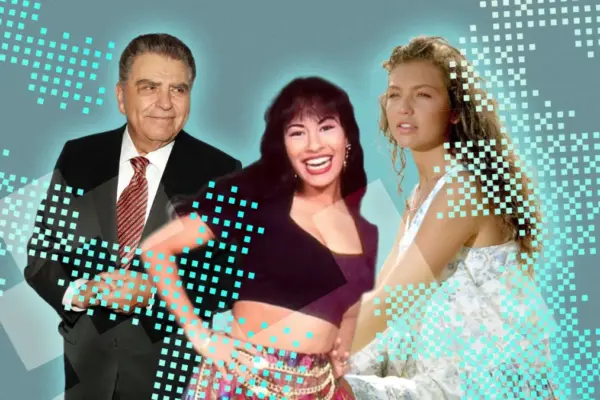
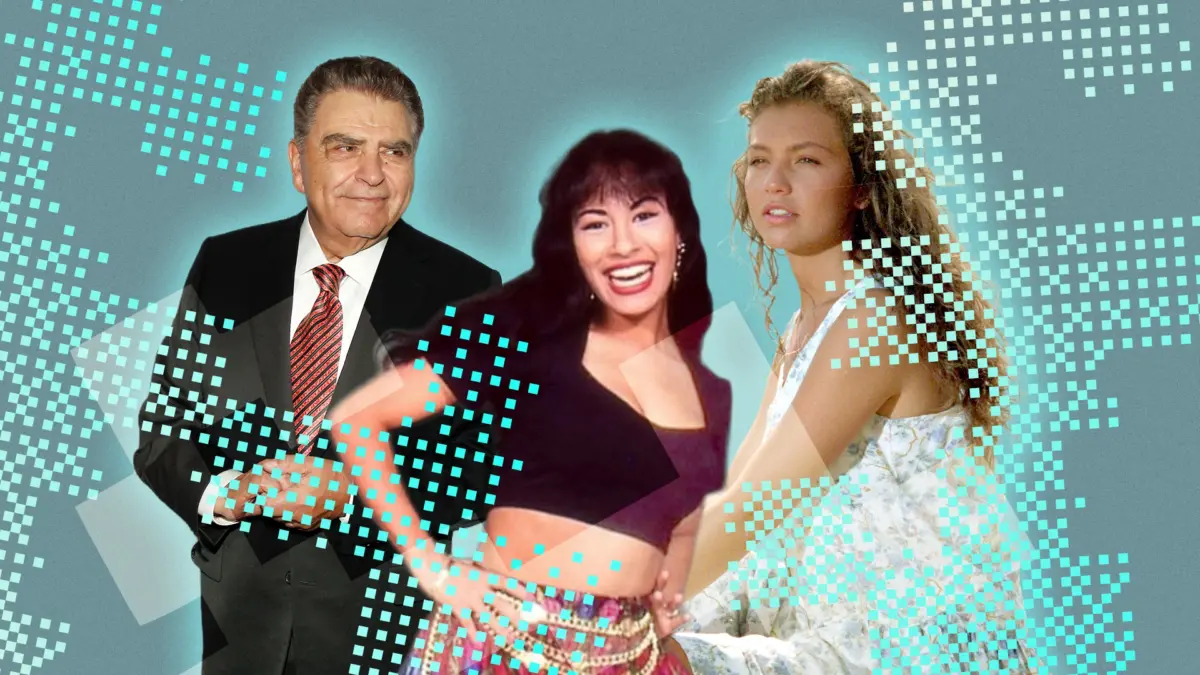
Those screens served as windows into a broader cultural landscape that, while not always specifically Dominican, resonated deeply with the lived experiences of immigrant households. Viewers regularly tuned into iconic telenovelas such as Marimar, starring Thalía and Eduardo Capetillo—who easily served as a first television crush for many young viewers—alongside weekend variety staples like Sábado Gigante hosted by the legendary Don Francisco, a program families planned their entire weekends around. Musical legends like Selena also occupied a permanent place in the household rotation, with interviews and music videos replayed endlessly because families simply were not ready to let go of the moments of joy and representation she provided.
There was something undeniably powerful about hearing the Spanish language spoken natively within the home environment. Even when the dramatic storylines unfolding on screen did not mirror the exact realities of a Dominican household in the Northeast, they still felt remarkably familiar. The expressive hand gestures, intricate family dynamics, distinct humor, and larger-than-life personalities reflected tangible pieces of a culture that viewers instinctively recognized and embraced.
Watching a program like Marimar with family was never a quiet, passive experience. A mother might shake her head in disbelief at a character’s glaringly poor decision, prompting an immediate chorus from other family members shouting, "¡Te dije que eso iba a pasar!" Within moments, the room would fill with a cacophony of overlapping voices, echoing laughter, gentle teasing, and spirited debates over who correctly predicted the plot twists.
This dynamic mirrored the exact energy found at traditional Dominican family gatherings, where adults laughed uproariously at decades-old stories while simultaneously debating everything from neighborhood gossip to the latest dramatic developments on television. Someone was always calling out from another room, yet somehow, the entire household remained firmly entangled in the conversation. While the broadcast did not tell an explicitly Dominican story, watching it collectively alongside family made the living room feel undeniably like home.
Marimar was produced as a Mexican telenovela, and icons like Selena were celebrated Mexican American artists, yet culture does not always demand hyper-specific direct representation to leave a lasting impact. Frequently, cultural resonance is achieved through pure recognition—identifying shared values, emotional beats, and communal warmth across different national origins.
At the time, children growing up in these environments did not view these nightly viewing habits as deliberate acts of cultural preservation. They were simply kids growing up in New Jersey, spending an evening watching television alongside their relatives. Decades later, however, those seemingly ordinary, routine moments reveal themselves to have been foundational lessons in identity, teaching young people precisely who they were and where their families originated.
For countless immigrant families across the United States, broadcast media functioned as far more than mere passive entertainment. It served as a vital, stabilizing bridge connecting the world parents had left behind in Latin America and the Caribbean with the unfamiliar American landscape where their children were being raised. For a Dominican family adapting to suburban or urban life in New Jersey, television played an indispensable role in helping preserve the native language, musical traditions, humor, and an enduring emotional connection to the homeland while building a sustainable future in America.
That was the unique magic of appointment television. Families watched specific programs simply because they aired at a set hour, and those broadcasts naturally integrated into the fabric of daily family conversation because everyone had experienced them together. A child could navigate an English-dominant school system all day and return home to a living room completely immersed in Spanish, growing up thoroughly rooted in New Jersey while simultaneously maintaining a window into Latin America and the Caribbean. There was no forced choice required between being Dominican and being from New Jersey; broadcast media allowed children to seamlessly inhabit both identities.
Even decades later, hearing the familiar opening notes of Marimar instantly triggers memories of those communal evenings with family. Yet, the broader media landscape and the ways in which audiences consume television have undergone a radical transformation. Modern viewers no longer wait anxiously for a scheduled broadcast time or gather physically in the living room to negotiate a shared channel. Instead, streaming platforms allow individuals to consume content independently on personal devices whenever time permits. When contemporary viewers encounter media that makes them laugh or evokes memories of home, the medium of sharing has shifted from the living room couch to digital spaces, typically transmitted via clips or memes within family messaging group chats.
While the underlying cultural connection remains robust, its physical manifestation has changed shape entirely. In decades past, a telenovela episode, a vibrant musical performance on Sábado Gigante, or a chart-topping song featured on television effortlessly transformed into the next day’s universal family conversation without requiring any deliberate planning. Everyone in the community had watched the same broadcast, and everyone possessed a definitive opinion about it. Today, characterized by endless entertainment choices and hyper-personalized algorithmic feeds, audiences watch disparate shows, follow different digital creators, and discover culture through fractured pathways. Shared cultural moments have not vanished entirely, but they have undeniably become less automatic.
Concurrently, contemporary Latino creators are no longer waiting passively for traditional media gatekeepers to grant them representation; they are actively forging that representation themselves across digital frontiers. A young Dominican child in New Jersey can now open a smartphone and instantly locate an expansive online community that mirrors their exact lived experiences. That unprecedented level of access and creative freedom represents an undeniable step forward for media diversity.
Yet, alongside this modern abundance, a distinct nostalgia lingers for the collective synchronicity of the past—the shared sensation that an entire community was watching the same story unfold simultaneously.
Although the technological platforms have expanded dramatically from scheduled telenovelas and variety shows to encompass TikTok, niche podcasts, YouTube channels, and on-demand streaming services, the fundamental human desire for cultural connection remains entirely unchanged. Audiences still seek out content that evokes memories of home, and they still yearn to share those discoveries with the specific people who made their early lives feel like home in the first place.
For individuals who grew up navigating life between two distinct cultural worlds, heritage is transmitted across generations through far more than just oral histories about ancestral homelands. Culture lives vibrantly within language, culinary recipes, musical rhythms, and the mundane, ordinary moments families spend in each other’s physical presence.
For many, that heritage is permanently preserved in the memory of a television glowing softly in a New Jersey living room, filling the domestic space with the sounds of Spanish dialogue. What initially appeared to be simple, fleeting entertainment ultimately proved to be a powerful formative force—shaped not just by the content of the programs themselves, but by the shared experience of watching them alongside family.
While modern audiences enjoy more technological avenues to connect with their cultural roots than at any point in history, the ongoing challenge lies in preserving the communal nature of those connections. Culture ultimately remains something that is not merely consumed individually, but experienced, remembered, and actively passed down together.