







We exist within a strange social contradiction. On the one hand, society has evolved to become far more accepting of different sexual orientations, championing LGBTQ+ rights and queer visibility across mainstream media, politics, and everyday life in ways that would have been unimaginable a few decades ago. Yet, despite this broader cultural shift toward inclusivity, people still seem to feel inexplicably entitled to assign a sexual orientation to someone else, reducing complex human identities to public parlor games.
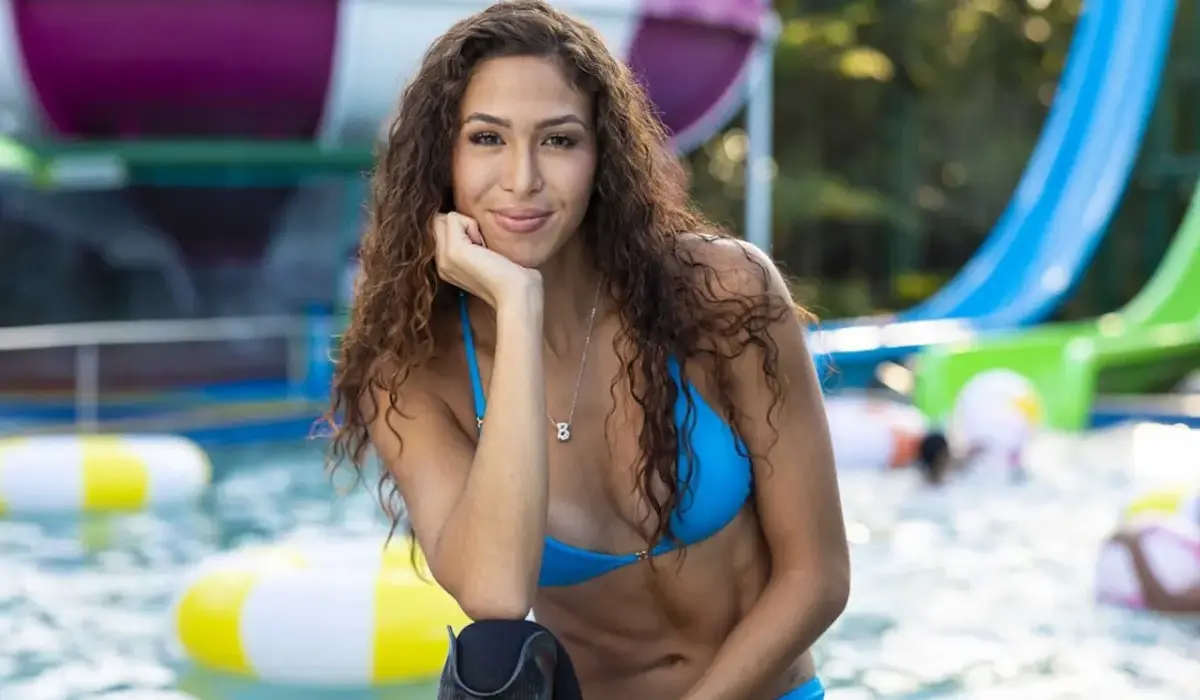
In another stark example of this contradiction playing out in real time online, viewers have taken to the internet to speculate endlessly about Love Island USA contestant Beatriz Hatz’s sexual orientation. Since the hit reality television season began airing, users across various social media platforms have flooded feeds with claims that Hatz is either a closeted lesbian or a lesbian who simply hasn’t realized it yet. This rampant speculation appears to stem entirely from superficial observations, specifically pointing toward her athletic build, physical stature, and tone of voice.
Mind you, she is an American Paralympic athlete.
The disconnect between Hatz’s actual life achievements and the reductive narratives constructed by internet sleuths highlights a persistent cultural blind spot. Fans and casual viewers alike have taken to platforms like X, formerly Twitter, to debate how she speaks and carries herself. One user aptly noted the absurdity of the discourse, writing: “Watching Love Island USA and I can’t believe people think Beatriz is a lesbian because they think she talks masculine?? Yall just don’t get it, she’s an athlete and a chicana from San Diego. She just talks like a foo lmao.”
What is particularly frustrating is that this invasive conversation has continued unabated, even after Hatz opened up transparently on the show about how others perceive her. In a vulnerable conversation with fellow Islander Melanie, Hatz spoke candidly about feeling consistently overlooked and misunderstood because she does not fit conventional, narrow expectations of femininity. Yet, instead of listening to what she was actually saying about her lived experiences, emotional vulnerability, and personal struggles, many viewers chose to ignore her words entirely, continuing their relentless speculation about her sexuality.
The internet discourse surrounding Hatz’s sexual orientation says a great deal about how far society still has to go when it comes to basic human decency and digital respect. In an era where media literacy and empathy are frequently championed, people continue to feel entitled to treat other people’s identities as puzzles to be solved for their own entertainment.
By 2026, we should know better. We should understand that social media is an incredibly public, high-velocity space where speculation can spread rapidly, distort perceptions, and go viral within a matter of hours. This reality demands that we be far more thoughtful about how we talk about, analyze, and treat other people online, recognizing that reality television contestants are real human beings with complex inner lives.
What is deeply troubling is that there are still many people who fail to grasp a fundamental boundary of human interaction: that the only person who gets to define someone’s sexuality is that person themselves. Self-determination is a cornerstone of personal identity, yet online commentators routinely bypass this fundamental rule when casting judgment on public figures.
It is also a striking irony that some of the same people who loudly identify as queer-friendly, progressive, and supportive seem to think they can get away online with behavior they instinctively know would be wildly inappropriate in real-life social settings. One would think that, by this point in our cultural evolution, people would possess the wisdom to understand that even if Hatz were a queer woman, it would still be fundamentally inappropriate for strangers to dictate how she should identify sexually or when she should share that part of her life with the world.
At its core, this conversation is about basic respect and bodily autonomy. No one gets to decide someone else’s sexuality for them. Insisting that Hatz is queer, or that she simply hasn’t figured it out yet, assumes a level of absolute certainty that strangers on the internet simply do not possess.
People can speculate privately all they want, but publicly assigning labels to someone you have never met based entirely on their physical appearance, athletic background, voice, or behavioral demeanor crosses a definitive line. Doing it behind the anonymity or detachment of a computer screen or smartphone doesn’t make it any more appropriate or harmless.
Regardless of intent, this is not benign or harmless speculation. If Hatz is not queer, then these persistent assumptions feel like a direct attack on her authentic identity, reinforcing narrow, patriarchal ideas about how a woman is supposed to look, present herself, and behave in public spaces. Conversely, if she is a queer woman, then this kind of invasive speculation amounts to forcing someone out of the closet before they are ready, stripping them of their right to a safe and personal coming-out journey.
Either way, it represents a profound violation of her personal autonomy. Identity policing has long been an unfortunate reality of fame and public exposure, but the modern discourse surrounding Hatz shows how quickly people still resort to assigning labels to individuals they do not know. The truth is that when you assign an identity to someone who has not claimed it for themselves, you are essentially telling them that you believe you know them better than they know themselves.
Ultimately, identity is deeply personal. It remains one of the few things that should belong exclusively to the individual—and to that individual alone.