









When Cyed Adraincem speaks about his forthcoming New York City restaurant, Hoy, his dedication is apparent down to the literal pavement. Adraincem recently apologized for occasionally stumbling over his words during an interview, explaining that he had been awake since 4 a.m. to physically wash the sidewalk in front of his new establishment. Wanting to beat the morning foot traffic is a telling detail for a veteran hospitality worker embarking on a high-profile restaurant launch, capturing the relentless grind required to bring a new dining concept to life in a notoriously competitive urban market.
Adraincem has channeled that exact brand of hands-on dedication into outfitting Hoy, which is designed to serve Filipino street food within an atmosphere evocative of a bustling Manila night market. Although the restaurant has not yet officially opened its doors, it has already captured widespread attention across the local hospitality scene. The project has drawn eyes for its loud, off-kilter aesthetic, clever integration of pop-cultural touchstones, and transparent, behind-the-scenes glimpses into its research and development process.
The restaurant’s concept stems from a desire to introduce Filipino street food to a broader audience in New York City. Adraincem notes that despite the city’s vast culinary landscape, Filipino cuisine remains notably underrepresented. Hoy aims to bridge that gap with a menu centered on accessible, traditional favorites prepared with elevated culinary techniques acquired over years of professional experience.
The planned menu features straightforward items such as barbecue skewers, lumpia, and a selection of different sandwiches. Eschewing over-complicated dishes, the focus is squarely on approachability. Adraincem believes that the New York dining public is currently craving experiences that are more casual and affordable rather than pretentious, noting that patrons largely want a place where they can simply enjoy good food and a strong drink.
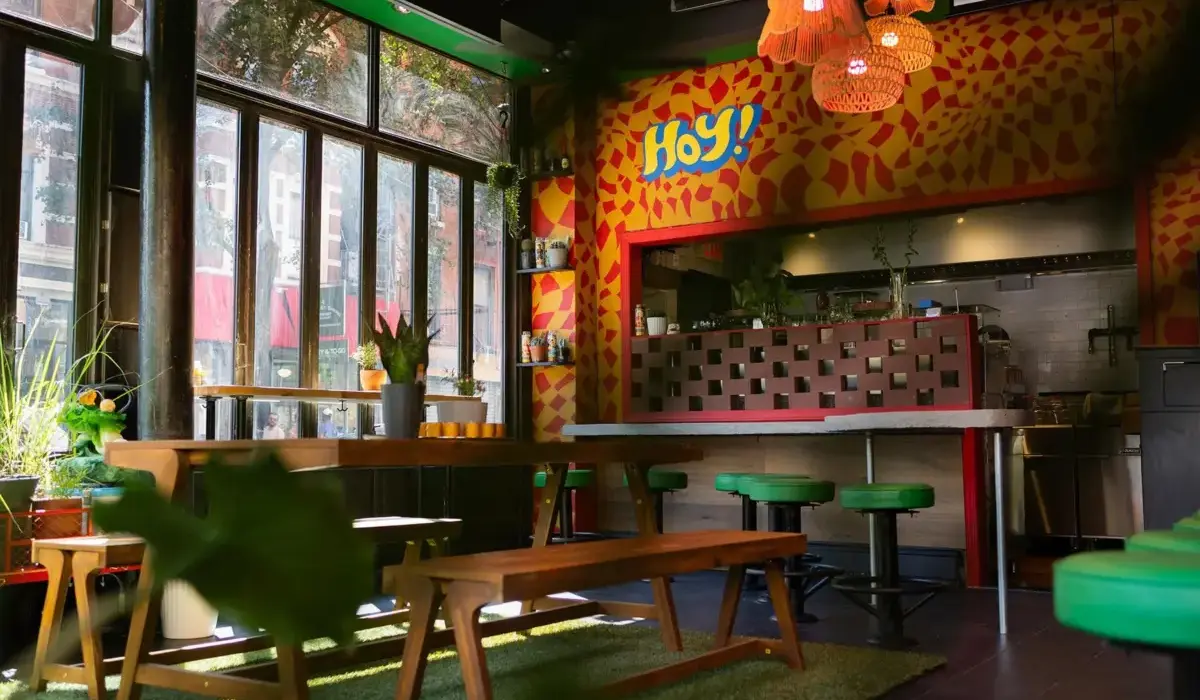
The physical space itself is heavily inspired by American diners, reflecting Adraincem’s personal appreciation for the format, combined with his background of working in cocktail bars for the past seven years. This fusion creates an energetic environment that mirrors the vibrant ambiance of a Manila night market. Because the restaurant relies on counter service and features an open kitchen, the layout is entirely front-facing. This design ensures a continuous flow of high-energy interaction between the staff and guests, creating a dynamic, street-market affair where communication happens right in front of the diners.
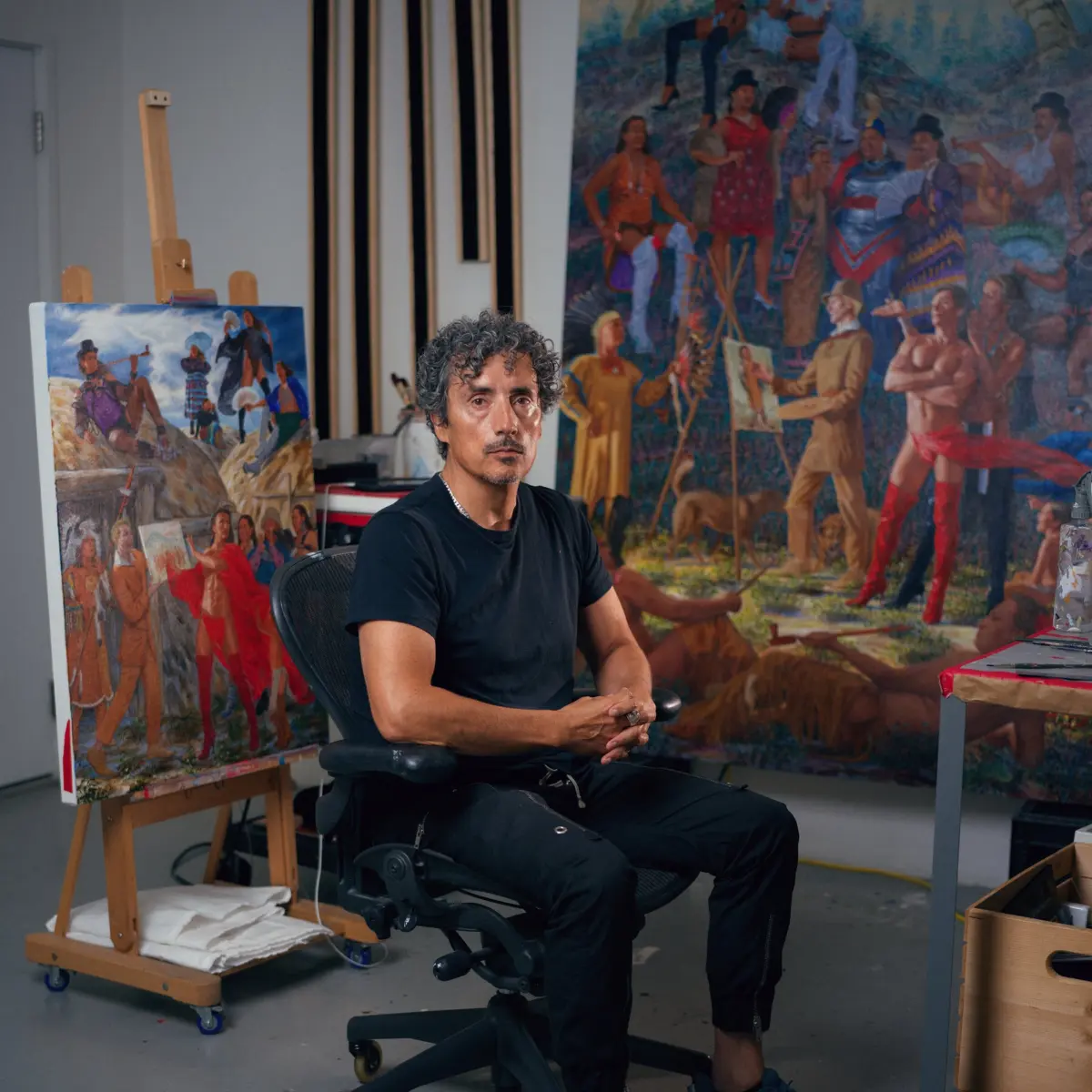
To bring the visual identity of Hoy to life, Adraincem enlisted the talents of designer Kristofferson San Pablo, a well-known Los Angeles-based artist who is also Adraincem’s cousin. The branding and aesthetic choices were built around the vibrant, chaotic energy of a Manila night market, incorporating a rich palette of colors and visually stimulating elements that avoid feeling overwhelming. The distinct pattern displayed on the restaurant’s walls is drawn directly from one of the oldest textile patterns originating in the Philippines, offering a subtle yet striking nod to cultural heritage.

Inside the dining room, shelves stocked with snacks are arranged to mimic a traditional sari-sari store. Commonly found on street corners throughout the Philippines, these neighborhood shops typically operate directly out of the owner’s home to sell everyday essentials. These display shelves also house old cookbooks passed down from Adraincem’s parents, serving as the literal baseline for the recipes being developed for the restaurant, alongside volumes from local culinary favorites.
In crafting the venue’s identity, the team made a conscious effort to steer clear of conventional Filipino design tropes, such as the prominent imagery of the sun and stars from the national flag or traditional barong tagalogs. Instead, they leaned into more idiosyncratic cultural symbols, including the classic barrel man novelty carving, water buffalo, and scenes of everyday agricultural life.
The inclusion of the barrel man serves a dual purpose: it is a genuine piece of Filipino pop culture and a clever conversation starter for patrons unfamiliar with its origins. Originally crafted as novelty souvenirs to help impoverished individuals earn a living, the wooden figures also reflect a lighthearted, gag-gift sensibility deeply embedded in Filipino humor.
Beyond its permanent fixtures, Hoy has leveraged pop culture in real time to build anticipation. Even before opening, the restaurant has circulated striking visual art online and in its design planning, such as a localized, sports-themed graphic referencing the New York Knicks. Working alongside San Pablo, Adraincem handles these creative rollouts on the fly, relying on the designer’s innate grasp of contemporary pop culture to move quickly from concept to execution.
Merchandise is another major pillar of Hoy’s launch strategy. Rather than following the conventional path of opening with a bare-bones interior and introducing merch only after finding financial footing, Adraincem is launching a comprehensive collection right out of the gate. Drawing from his 17 years in the hospitality industry—including seven years behind cocktail bars where branded apparel routinely flew off the shelves—he recognized the strong desire among industry workers and diners to wear clothing that represents their favorite culinary spots.
The planned merchandise lineup includes t-shirts, hats, and tote bags, with seasonal variations and potential novelty items like house slippers or custom barrel man keychains under consideration. Most of this merchandise will be produced in collaboration with local artists and creatives, turning the apparel line into both a community-building initiative and an additional revenue stream.

Transforming the physical space itself required considerable legwork, particularly amid current economic pressures. Adraincem describes the present climate as a challenging time to open a restaurant, noting that furnishing a venue demands extensive price comparisons across major retailers like Home Depot, Amazon, and The Container Store. The personal touches on the shelves—ranging from knickknacks to artworks provided by friends and family—help ground the commercial space in a sense of community.
To capture the tropical atmosphere of the Philippines, the restaurant incorporates substantial plant life, including a custom pot pond constructed from a large planter. In a garden space adjacent to the pond, the team is actively growing lemongrass, a calamansi tree, and labuyo chiles. Capitalizing on the building’s corner location, which receives ample natural light, the plan is to cultivate a thriving indoor garden that mirrors the lush environment of Southeast Asia.
While the physical build-out of the space is well underway, the path to a full opening has encountered a hurdle regarding regulatory approvals. Due to current issues with gas firing permits through New York’s Department of Buildings, the restaurant cannot operate its primary cooking equipment onsite just yet.
Rather than remaining dark while awaiting clearance, the team has pivoted to support the local community by hosting a pop-up residency within the space. Hoy has partnered with Queens-based Arellano Pandesal to serve traditional Filipino pastries while the restaurant handles the beverage program. Plans are also underway to launch a community marketplace featuring local vendors, friends, and family, creating an immediate opportunity to welcome neighbors into the space and build early momentum.