





This piece is part of the Argentine-Chinese Chamber of Commerce’s monthly column in the Buenos Aires Herald.
When people around the world look toward China, their focus is very often drawn to headlines about massive economic development, cutting-edge technological innovation, or significant geopolitical weight on the global stage. Yet, behind the towering skylines, financial markets, and international trade agreements lies a deeply rooted cultural heritage that shapes the daily lives of millions of people. One of the most prominent expressions of this cultural fabric is the Mid-Autumn Festival, also widely known as the Moon Festival, which stands as one of the most important traditional celebrations in China, second only to the Lunar New Year.
Each year, on the 15th day of the eighth month of the lunar calendar, families and friends across China and within the global Chinese diaspora gather to gaze at the bright full moon, share a carefully prepared meal, and celebrate the enduring bonds that unite them. Looking ahead to the coming years, the holiday will take place on Friday, September 25, 2026. This widely anticipated celebration offers a unique window into a different side of Chinese society—one that frequently remains in the background of international news cycles, yet emphasizes universal human values such as family, food, and communal gathering.
These are fundamental human elements that, transcending geographical and cultural differences, also occupy a central, cherished place in Argentine society. The parallels between the importance placed on family gatherings in both cultures provide a fascinating bridge for mutual understanding between Argentina and China, demonstrating that shared social values can bridge vast physical distances.
The Festival on the Inside and the Legend of Chang’e
To truly understand the emotional and cultural weight of the Mid-Autumn Festival, one must look at the ancient folklore that sustains it. The best-known legend associated with this celebration is the timeless story of the archer Houyi and his beloved wife, Chang’e. According to traditional tales passed down through generations, Houyi was a legendary and heroic archer who managed to save the Earth from catastrophe when ten scorching suns suddenly surrounded the planet, scorching the land and threatening all life. Through his skill and bravery, Houyi shot down nine of the suns, leaving just one to provide proper warmth and light.
As a reward for his heroic deeds that saved humanity from destruction, Houyi received a sacred elixir that possessed the power to grant immortality. However, the story takes a dramatic and poignant turn when his beloved wife, Chang’e, ultimately decided to drink the elixir herself. She did so to prevent the powerful potion from falling into the wrong, malicious hands, which would have brought untold disaster to the world. Immediately after consuming the elixir, Chang’e’s mortal body became light, causing her to ascend far away into the night sky until she finally came to rest on the Moon.
Ever since that mythical event, Chang’e’s luminous figure has been inextricably linked to this autumn holiday. For generations of families looking up into the clear night sky, gazing at the moon during the festival also represents a profound moment of remembering loved ones who are far away, bridging physical separations through shared contemplation of the same celestial body. While there are several different versions of this ancient legend recorded across various regions of China, all of them universally agree on linking Chang’e to the moon and establishing her as the symbolic, spiritual origin of the holiday.
The full moon itself occupies a central, irreplaceable place in the entire celebration. Its perfect, luminous round shape symbolizes completeness, harmony, family reunion, and the mending of separations. Because of this powerful symbolism, the Mid-Autumn Festival has traditionally been an obligatory occasion for individuals to make the journey home, reunite with their closest loved ones, and share an intentional moment of unity and reflection.
This profound family dimension becomes particularly interesting when we analyze how China is perceived from the perspective of Argentina. Beyond the obvious cultural differences in language, history, and social structures, the fundamental importance of gathering together, sharing an abundant meal, and remaining close to family and friends is something that resonates deeply and feels remarkably close to Argentine customs. Sunday family lunches, historic holiday gatherings, and the deep value placed on personal relationships form a common cultural language between the two nations.
Gastronomy, Mooncakes, and Cultural Bridges in Argentina
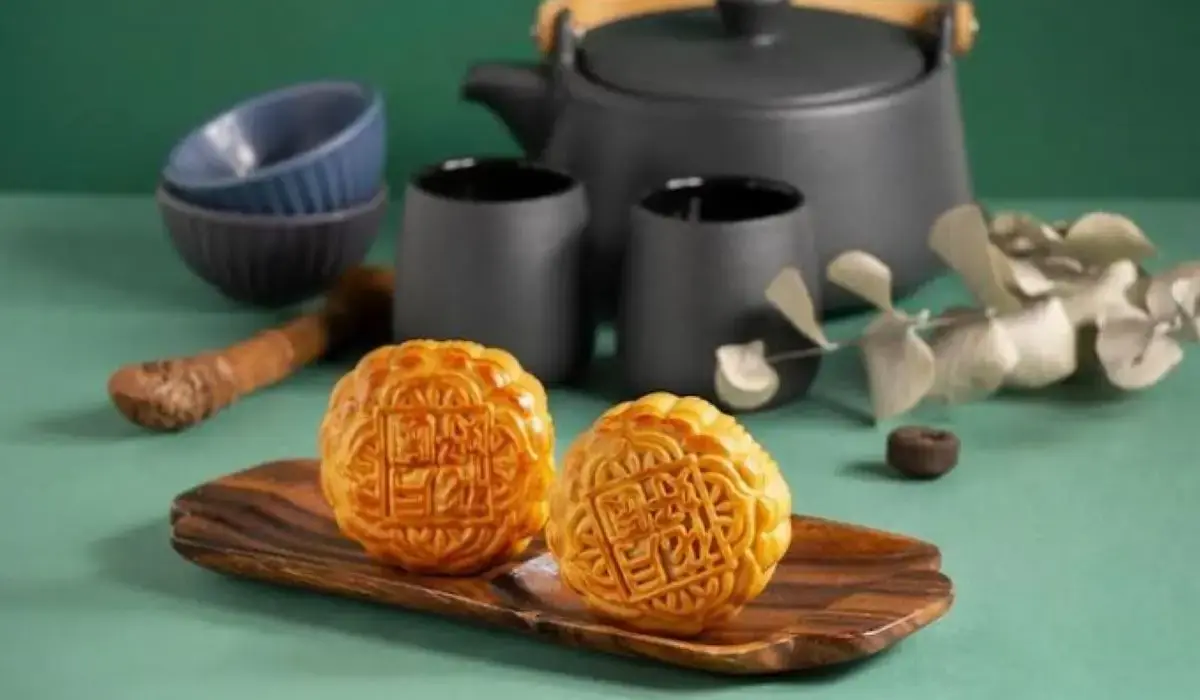
Gastronomy serves as a great protagonist of this day, anchoring the celebration in sensory experiences and culinary traditions that have evolved over centuries. Foremost among these culinary traditions are the famous mooncakes, known in the Chinese language as yuèbǐng. Perfectly round in physical shape as a direct allusion to the radiant full moon, these small, dense pastries can be prepared with a wide variety of fillings, catering to diverse regional palates with both sweet and savory options.
Among the most traditional and sought-after fillings are those made with smooth lotus seed paste or rich sweet bean paste, while many classic varieties also incorporate a salted duck egg yolk right in their center. This golden yolk is not merely an ingredient; it serves as a brilliant visual and symbolic representation of the bright full moon glowing against the dark night sky. Furthermore, mooncakes are instantly recognizable by the intricate drawings, characters, and reliefs that decorate their baked surfaces. These delicate artistic touches can include traditional Chinese characters wishing longevity, beautiful floral motifs, or ancient symbols of prosperity and good wishes for the future.
Beyond being enjoyed as a special seasonal delicacy during family gatherings, mooncakes are deeply embedded in a widespread, deep-rooted tradition of gift-giving. It is customary during this season for individuals to give elaborately decorated boxes of these cakes not only to close family members and cherished friends, but also to business employees, valued clients, and professional colleagues. This corporate and social exchange acts as a sincere expression of good wishes, gratitude, and mutual recognition, reinforcing social ties and professional networks alike.
In Argentina, dedicated cultural ambassadors work tirelessly to bring diverse cultural traditions closer to the local public through the universal language of cooking. A prominent example of this ongoing cultural exchange is Karina Gao, who moved to Argentina with her parents when she was very young. Over the passing years, she has successfully turned her passion for gastronomy and her dynamic presence on social media platforms into an effective way of sharing fascinating aspects of Chinese culture, history, and daily life with the wider Argentine public.
Bridging the gap between ancient Eastern traditions and local ingredients, Karina shared her own adapted mooncake recipe a few years ago, tailoring the preparation process so that it relies on ingredients that are easily accessible and widely available in markets across Argentina. For those interested in exploring this rich culinary tradition firsthand, her adapted recipe offers a welcoming and accessible entry point to experience the flavors of the holiday directly from home.