




By Anna Ortega
September 24, 2026
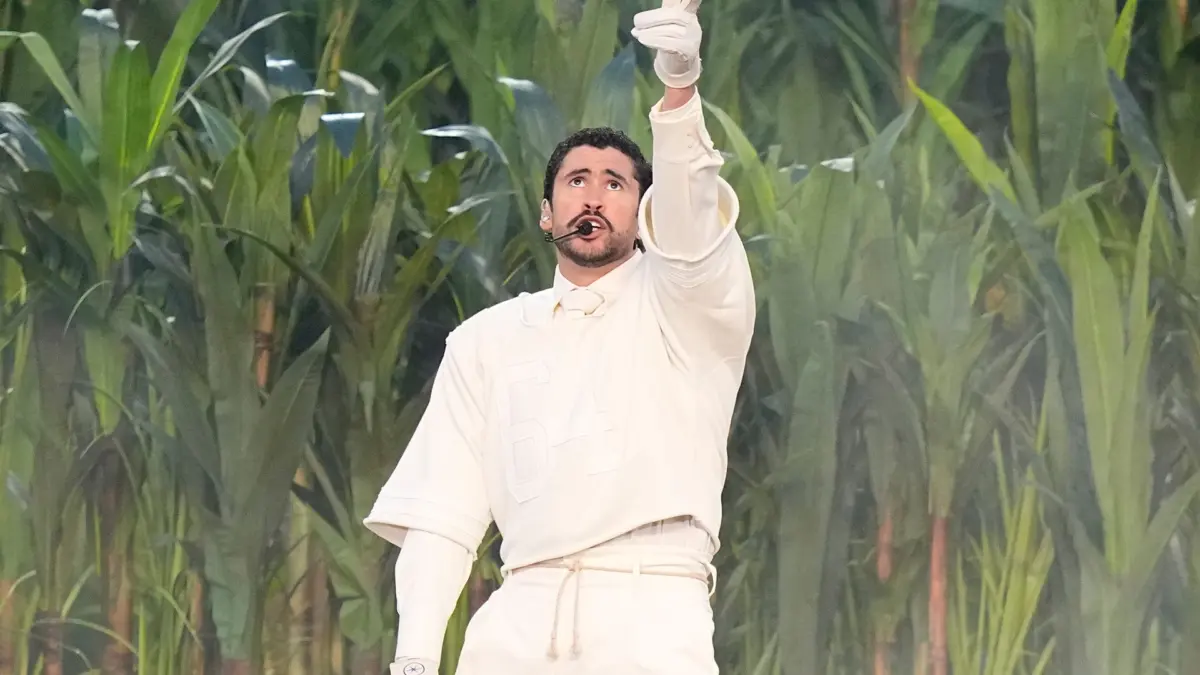
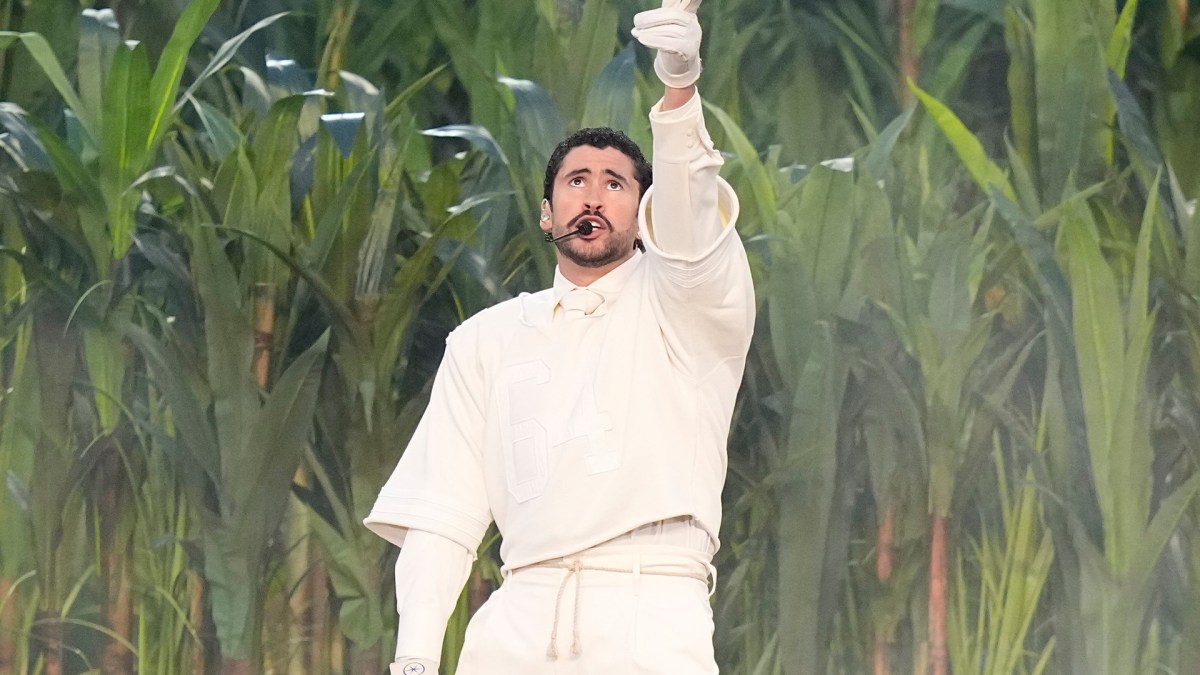
Bad Bunny has long established himself as one of the most outspoken and culturally conscious artists in the global Latin music landscape. Frequently using his massive platform, lyricism, and artistic direction to celebrate the vibrant culture of Puerto Rico while unflinchingly highlighting the socioeconomic and political realities of life on the island, the Grammy Award-winning superstar has consistently bridged the gap between mainstream commercial success and sharp sociopolitical commentary. Among his extensive catalog of fan favorites, the evocative track “LO QUE LE PASÓ A HAWAII” has resonated deeply with audiences worldwide, becoming a defining anthem for its resonant themes of displacement, cultural erosion, and the enduring legacy of colonialism. Now, that very song is stepping out of the realm of streaming platforms and concert arenas to make a striking entrance into international politics, as Bad Bunny has officially cleared Brazilian President Luiz Inácio Lula da Silva to use the track in a major new political campaign advertisement.
The new campaign advertisement, launched by President Luiz Inácio Lula da Silva on Wednesday, September 23, introduces a compelling Portuguese-language rendition of Benito’s hit song to underscore a powerful and timely political message. At the core of the advertisement is a clear appeal to national independence, asserting that the political present and future of Brazil must be determined entirely by Brazilians themselves rather than being swayed or dictated by external international pressures and foreign interests. The visual and audio components of the campaign seamlessly weave the emotional resonance of the music with a direct address to the electorate. In a particularly stirring moment within the promotional spot, President Lula can be heard delivering a definitive statement regarding national ownership and self-determination: “O Brasil tem um único dono: o povo Brasileiro,” which translates directly in English to, “Brazil has only one owner: the Brazilian people.”
Throughout the duration of his second presidential term, Lula da Silva has maintained a steadfast focus on defending Brazil’s national sovereignty, protecting its vast natural resources, and safeguarding domestic industries against foreign interference. These efforts have taken on heightened significance amid fluctuating diplomatic dynamics, particularly concerning relations with the United States. Over the past couple of years, palpable geopolitical tensions have been brewing between the two nations. These strains have been compounded by policy decisions from the Trump administration, which has implemented various tariffs on Brazilian goods entering international markets and has engaged in high-profile diplomatic gestures, such as inviting Lula’s prominent political opponent, Flavio Bolsonaro, to the Oval Office in Washington, D.C.
These ongoing diplomatic frictions provided the backdrop for Lula’s recent address at the United Nations General Assembly in New York City. During his speech before the global body, the Brazilian leader delivered pointed remarks addressing foreign intervention and the historical subjugation of Latin American nations, delivering his message without directly naming the United States. Emphasizing the autonomy of his country and the broader region, Lula firmly declared to the assembly, “Brazil doesn’t belong in anyone’s backyard.” This assertion of regional independence aligns closely with the anti-colonial and anti-displacement sentiments woven into the fabric of contemporary Latin American cultural expressions, creating a thematic bridge between the political rhetoric of the Brazilian administration and the socially conscious art being produced by artists across the hemisphere.
The intersection of contemporary Latin American music and high-stakes electoral politics has certainly taken observers by surprise, with the unexpected Lula-and-Bad Bunny crossover generating considerable discussion among political analysts, cultural commentators, and fans alike. While collaborations between musicians and political figures are not entirely unprecedented in the history of campaigns, the specific pairing of a Puerto Rican trap and reggaeton icon’s reflection on colonialism with a Brazilian president’s campaign for national sovereignty highlights a shared regional consciousness regarding autonomy and external influence. As the campaign unfolds, the utilization of “LO QUE LE PASÓ A HAWAII” demonstrates how modern cultural touchstones continue to transcend linguistic and geographical borders, influencing ongoing debates over national identity, political independence, and Brazil’s place on the global stage.