






In the modern hospitality landscape, the path to a successful opening no longer begins with a quiet whisper of press releases and whispered invitations to food critics. Instead, it starts with the harsh glare of a ring light, the whine of power tools, and the raw, unfiltered documentation of a dream coming together—or falling apart—in real-time. Across social media, a growing wave of visionary bar owners, restaurateurs, coffee shop operators, and specialty food purveyors are ditching traditional public relations strategies. They are turning their arduous, messy, and financially precarious buildouts into gripping video series, capturing an eager, deeply invested audience long before the first guest ever steps through the front door.
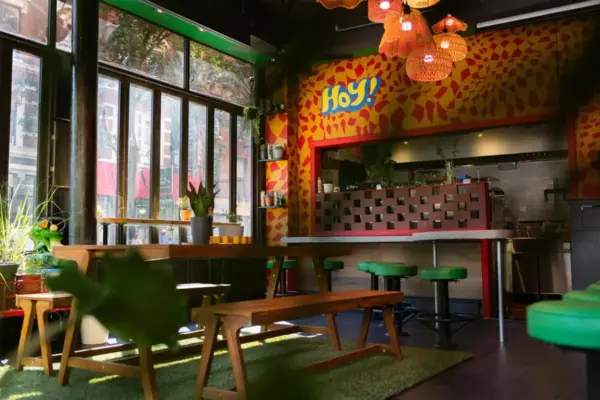
This phenomenon represents the final installment of the industry series "Getting on the Map," which explores how creative hospitality ventures are cutting through the noise in an increasingly saturated market. Nowhere is this trend more vividly illustrated than in the social media debut of Michael Bishop-Myers, a veteran New York City bartender who recently opened his very first Brooklyn bar, Susu’s.
"Hey, I’m Mike," the video opens, immediately establishing a casual, intimate rapport with the viewer. "I’ve been a bartender for a long time in New York City and I’m opening my very first bar. Let’s go inside."
The footage that follows is far from a polished corporate commercial. It shows Bishop-Myers picking over design menus for Susu’s. In one clip, construction dust settles as drills whine against an in-progress bar counter; in another, an anonymous pair of hands adjusts a stray frame on an unpainted wall. A previous video shared by the bar even documented the technical minutiae of its acoustic ambitions, highlighting the installation of 12 Klipsch speakers and a Powersoft amplifier.
Who is this level of granular detail for? Apparently, a remarkably large and passionate cross-section of the internet. Bishop-Myers’s introductory video accrued over 103,000 views on Instagram, sparking a cascade of enthusiastic comments, encouragement, and community buy-in before the venue even poured its opening night drinks.
This grass-roots digital mobilization is part of a broader paradigm shift across the food and beverage industry. Owners of bars, coffee shops, specialty grocery stores, and tasting-room restaurants are discovering that the grueling buildout phase—traditionally kept hidden behind plywood construction barricades and brown papered windows—is actually their most potent marketing asset.
The blueprint for this strategy has been tested and refined by culinary pioneers over the past several years. Beginning in 2022, Chicago chef Jacob Potashnick utilized TikTok to chronicle the painstaking, obstacle-laden process of building his own fine-dining establishment, Feld. When Feld finally opened its doors in 2024, it did so with an already established digital community of supporters. The restaurant’s subsequent rise has been meteoric, earning Potashnick a James Beard Award for Best Chef in the Great Lakes region and a coveted Michelin star—narrative milestones that now anchor his recent social media content. Similarly, Vancouver’s Cowdog Coffee, founded by content creator Joe Lee, pulled back the curtain to share its entire buildout process on social media, turning the tedious commercial renovation phase into appointment viewing for coffee enthusiasts.
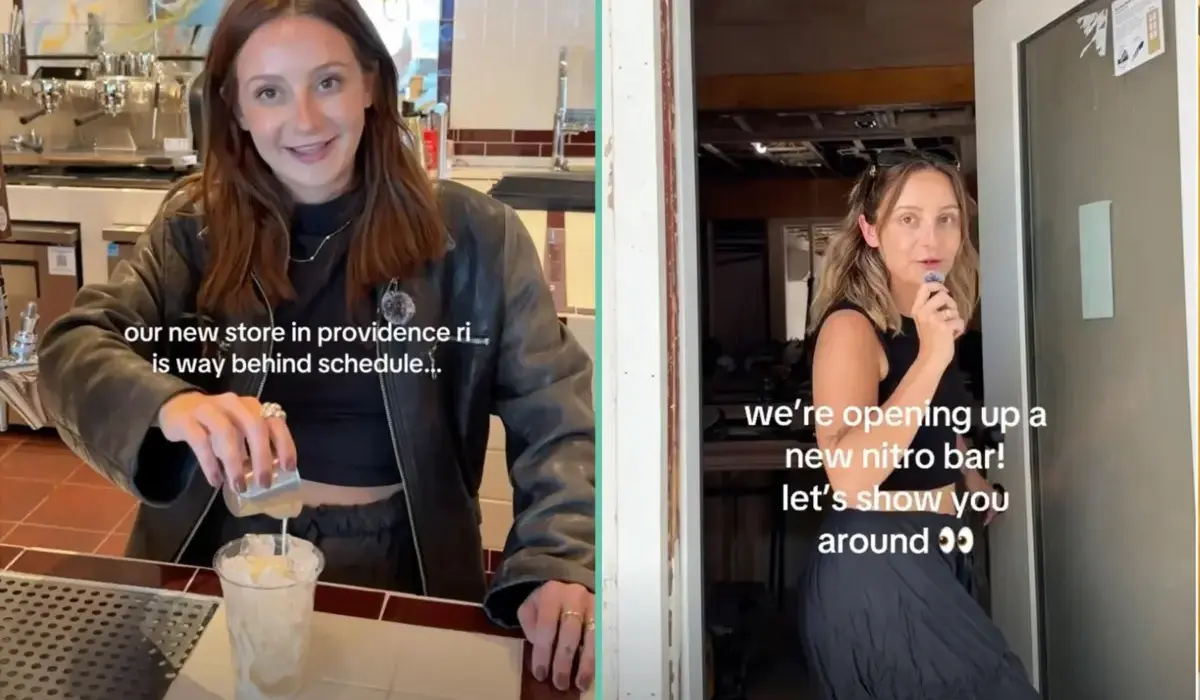
In Providence, Rhode Island, The Nitro Bar has long operated at the bleeding edge of food-business social media innovation. Led by owner-turned-social-media-personality Audrey Finocchiaro, the brand is famous for unorthodox engagement, such as videos featuring cheeky employee prompts. Finocchiaro, who frequently pulls back the curtain on the absurd realities of running small hospitality businesses on her personal account, has extended this transparent ethos to her latest venture: bringing The Nitro Bar to New York City.
Documenting the expansion through a series of long-form YouTube videos, Finocchiaro takes viewers directly into the administrative and creative trenches. One video follows her to high-stakes interior design meetings, while another, which has amassed over 54,000 views, takes audiences on an immersive tour of her raw production space.
As Rachel Karten, author of the social media-focused publication Link in Bio, has observed regarding The Nitro Bar’s strategy, this approach relies on cultivating a "my show is on" mentality centered around a commercial enterprise. In this paradigm, a business functions almost like a theatrical production. The owner acts as the host, the front-of-house and kitchen staff form the ensemble cast, and the physical brick-and-mortar storefront serves as the permanent set. Finocchiaro herself has frequently described her approach to social media as treating her coffee shop as its own distinct person—an approachable entity that customers feel they can genuinely befriend.

The cross-appeal of this content becomes clear when viewed through a cultural lens: it is essentially HGTV blended with the Food Network, tailor-made for a modern audience that increasingly seeks out parasocial relationships to guide their consumption habits. By inviting consumers into the messy, high-stakes process of "making the restaurant," a business owner—and the business itself—is transformed from a faceless commercial transaction into a living protagonist that viewers want to root for, support, and ultimately patronize.
Perhaps the most extreme and widely discussed example of this strategy in action is Sammy Nussdorf’s journey to opening Meadow Lane, a high-end specialty grocery store in New York City. According to media analyses by outlets like Grub Street, Nussdorf’s digital chronicle spanned over 430 days, survived multiple municipal permitting snafus, and comprised nearly 700 individual TikTok posts.
By the time Meadow Lane finally opened its doors in late 2025, Nussdorf had transcended the traditional role of a grocery store founder. He had become as familiar—and occasionally as polarizing—a character as a reality television star. The confessional tone of his videos and the protracted "will-it-open-or-won’t-it" cliffhangers gave a routine retail buildout the compulsive, serialized appeal of prestige television.
"I think the more disclosure, the more unveiling of the curtain behind a private business, the more interested people are," Nussdorf noted in an interview with the New York Times.
The strategy proved to be a masterclass in modern marketing. When Meadow Lane finally opened, it generated lines stretching far down the NYC block, with its digital notoriety spreading so far that even Midwestern shoppers browsing at regional chains like Meijer were familiar with the boutique Manhattan market.
This appetite for radical transparency is reshaping communications across the entire culinary sector. The democratization of publishing platforms, from Substack newsletters to short-form video apps, has empowered hospitality professionals to bypass traditional media gatekeepers and speak directly to their future clientele. Chefs around the globe are finding eager online audiences by breaking down the unglamorous nuts-and-bolts of daily restaurant life.
Even when physical visibility on mainstream social media apps like TikTok is minimal, the appetite for written documentation remains high. Ahead of its recent debut, the ownership team behind Legion, a new restaurant in New York City, bypassed flashy short-form videos in favor of a Substack serial titled The Opening Files. While prospective restaurateurs once had to rely entirely on traditional print publications to judge whether the public cared about the nitty-gritty realities of commercial real estate negotiations or artisanal dishware sourcing, today’s operators can test those hypotheses in real-time with their own direct audiences.
Even legacy media institutions have begun leaning into this structural shift in how restaurant stories are told. Publications like Curbed have published multi-part editorial series following notable culinary figures—such as restaurateur and author Eddie Huang—as they navigate the labyrinthine process of launching a new venue, in Huang’s case, the revival of Baohaus. These deep-dive profiles pull back the corporate veil to discuss the brutal realities of touring commercial spaces, dealing with collapsed lease agreements, and candidly breaking down the precise financial pressures of modern restaurant economics.
Ultimately, this burgeoning movement across the hospitality industry boils down to a fundamental human truth: people are naturally curious, and they love good gossip. By flinging open the doors of their construction sites and sharing the unvarnished truth of their financial, creative, and operational struggles, modern restaurateurs are discovering that the best way to fill a dining room is to let the world watch you build it.