








September 24, 2026 – 16:04
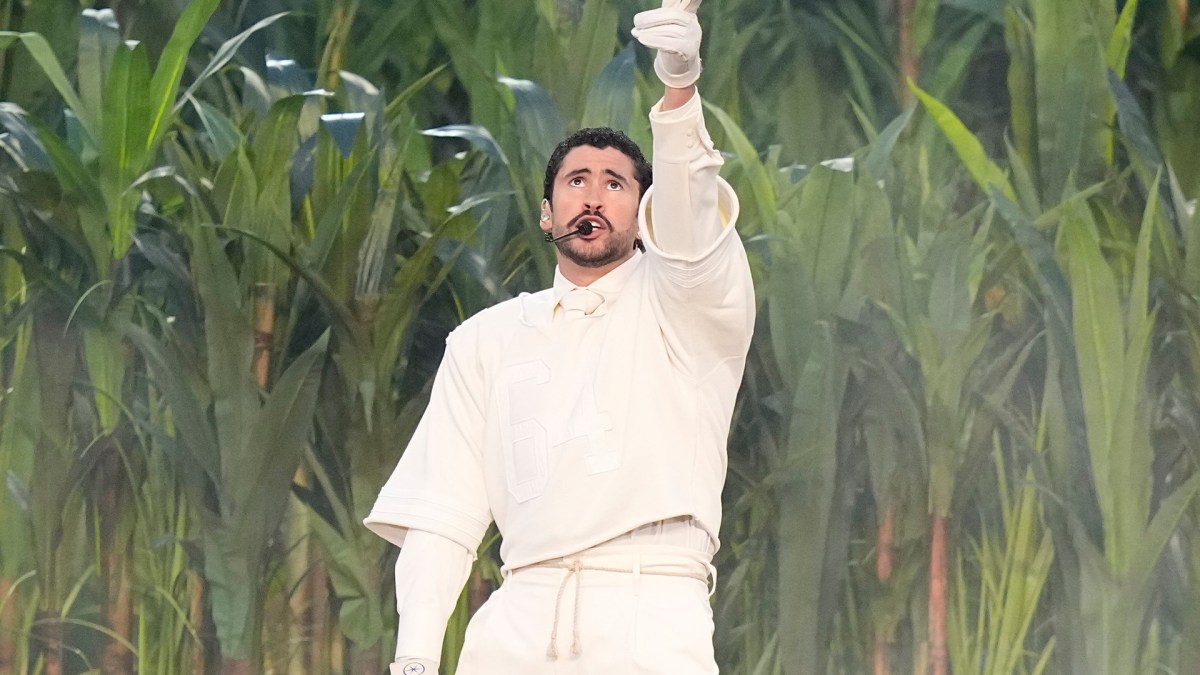
Bad Bunny has firmly established himself as one of the most outspoken and culturally resonant Latin American artists of his generation. Throughout his career, the global superstar has consistently used his massive musical platform and public profile to celebrate Puerto Rican culture, honor his Caribbean roots, and spotlight the complex socio-economic realities and political challenges facing life on the island. Among his extensive catalog of hits, his critically acclaimed song "LO QUE LE PASÓ A HAWAii" has resonated deeply with listeners, quickly becoming a fan favorite for its sharp, evocative themes concerning displacement, cultural loss, commercial exploitation, and the enduring impacts of colonialism. Now, that very song has transcended the realm of popular music to make an unexpected mark on international politics, as Bad Bunny has officially granted approval for Brazilian President Luiz Inácio Lula da Silva to use the track in his latest political campaign advertisement.
President Luiz Inácio Lula da Silva’s newly unveiled campaign ad, which premiered on Wednesday, September 23, features a compelling Portuguese-language adaptation of Benito’s hit song. The overarching message of the political spot centers on the fundamental idea that the people of Brazil should be the sole architects of the nation’s present circumstances and its long-term future, free from outside pressures, foreign coercion, or international meddling. In a powerful moment within the advertisement, President Lula can be heard delivering a direct and resolute statement: "O Brasil tem um único dono: o povo Brasilieiro," which translates directly into English as, "Brazil has only one owner: the Brazilian people." This alignment between a major populist political campaign and one of Latin America’s most influential contemporary anthems highlights the growing intersection between popular culture, regional identity, and geopolitical self-determination.
Throughout the course of his second presidential term, Lula da Silva has made the vigorous defense of Brazil’s national sovereignty and the protection of its vast natural resources a cornerstone of his administration. This stance has frequently placed his government at odds with foreign powers seeking to exert influence over South America, particularly the United States. Over the past couple of years, underlying political tensions have been steadily brewing between Washington and Brasília. These frictions have been exacerbated by policy decisions from the Trump administration, which has implemented tariffs on various Brazilian goods, thereby sparking economic concerns within key sectors of the South American nation’s economy. Furthermore, diplomatic strains have been heightened by foreign political maneuvers, such as the Trump administration extending an invitation to Lula’s chief political opponent, Flavio Bolsonaro, for a high-profile visit to the Oval Office, a move perceived by many in Brazil as an overt attempt to influence domestic political dynamics.
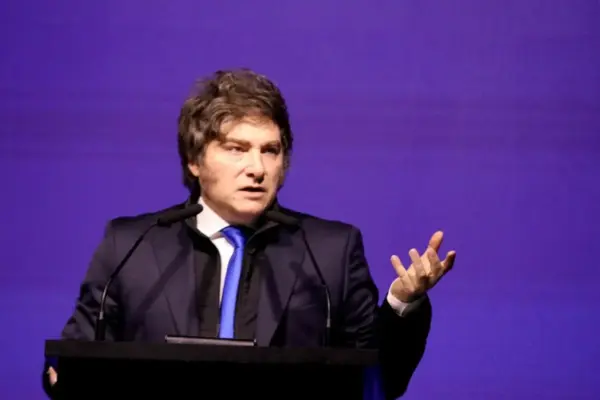
The echoes of these ongoing geopolitical struggles recently reverberated on the global stage during the United Nations General Assembly in New York. Taking the podium to address world leaders, President Lula delivered a pointed critique addressing foreign interference in the internal affairs of Latin American nations, including Brazil, though he refrained from explicitly naming the United States in his remarks. Delivering a message that underscored the region’s historical grievances against external domination, Lula declared to the assembly that "Brazil doesn’t belong in anyone’s backyard." This diplomatic assertion of independence and equality on the global stage shares a thematic synergy with the underlying spirit of resistance and self-preservation found in contemporary Latin American protest music, making the utilization of a socially conscious track like "LO QUE LE PASÓ A HAWAii" a uniquely fitting choice for the Brazilian leader’s political messaging.
The unexpected crossover between a towering figure of global Latin urban music and the political strategy of a prominent South American head of state has caught many observers by surprise. Commentators and cultural analysts alike have noted that an alliance of this nature was hardly anticipated by the public or media pundits. Yet, despite its surprising origins, the collaboration offers a fascinating glimpse into how contemporary art and music can cross linguistic and national boundaries to influence broader Latin American political discourse. As debates over national sovereignty, economic independence, and foreign influence continue to shape the political landscape in Brazil and across the wider region, the unexpected resonance of Benito’s work demonstrates the enduring power of music to capture the anxieties and aspirations of the peoples of Latin America.