









When industry veteran Cyed Adraincem apologizes for occasionally stumbling over his words during an interview, he has a remarkably grounded excuse: he had been up since 4:00 a.m. scrubbing the sidewalk outside his forthcoming restaurant.
"I wanted to beat all the foot traffic," he explains.
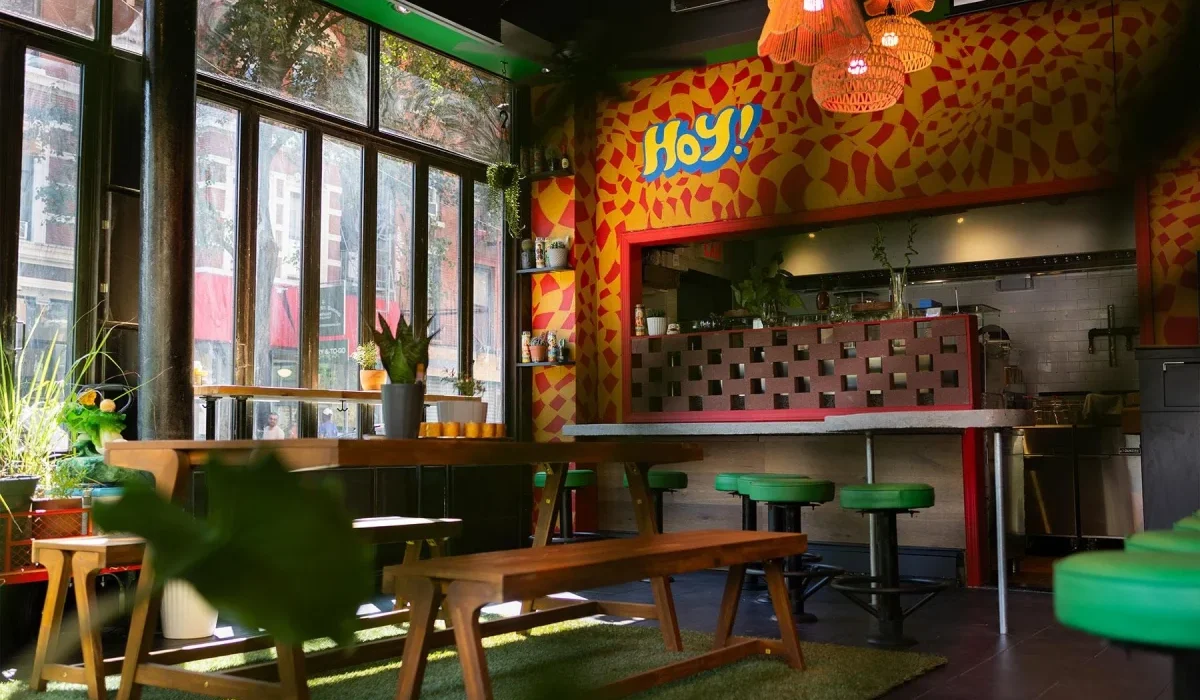
Adraincem has poured that same relentless dedication into outfitting Hoy, an upcoming New York City eatery designed to transport diners to the lively, high-energy atmosphere of a Manila night market. Although the restaurant has yet to officially open its doors, it has already captured considerable attention within the competitive local hospitality scene. Through a distinct, off-kilter aesthetic, smart pop-cultural nods, and transparent behind-the-scenes glimpses into its research and development process, Hoy is turning heads long before serving its first official meal.
The restaurant marks the first installment of Getting on the Map, a new editorial series presented by Apple Maps that explores how creative bars and restaurants leverage design, branding, and marketing to stand out in a crowded hospitality landscape. In an interview with Mary Anne Porto, Adraincem pulls back the curtain on the conceptualization, design choices, merchandise plans, and unexpected hurdles involved in bringing Hoy to life.
Conceptualizing Hoy: Filipino Street Food Meets American Diner Energy
At its core, Hoy aims to introduce traditional Filipino street food to a broader New York audience in a format that feels both accessible and immediate. Adraincem notes that despite the city’s vast culinary diversity, Filipino cuisine remains underrepresented, particularly within the fast-casual sector.
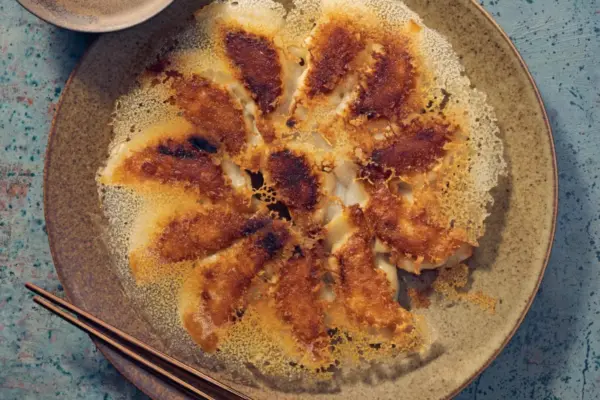
The menu is intentionally straightforward, focusing on approachable items such as barbecue skewers, lumpia, and a selection of distinct sandwiches. Rather than pursuing formal, white-tablecloth fine dining, Adraincem is leaning into what he believes contemporary diners truly want: food that is casual, affordable, unpretentious, and paired with a great drink. Much of this philosophy stems from his own extensive background in the industry, having worked in cocktail bars for seven years as part of a nearly seventeen-year hospitality career.

The physical space itself is a deliberate mashup of two distinct cultural touchstones: the chaotic, vibrant energy of a Manila night market and the classic familiarity of an American diner. Because the restaurant relies on counter service, the layout is entirely front-facing, featuring an open kitchen that keeps the visual and auditory energy high. Staff and guests interact constantly across the counter, creating an immersive, communal environment reminiscent of an open-air market stall.
A Visual Identity Rooted in Culture, Community, and Pop Culture
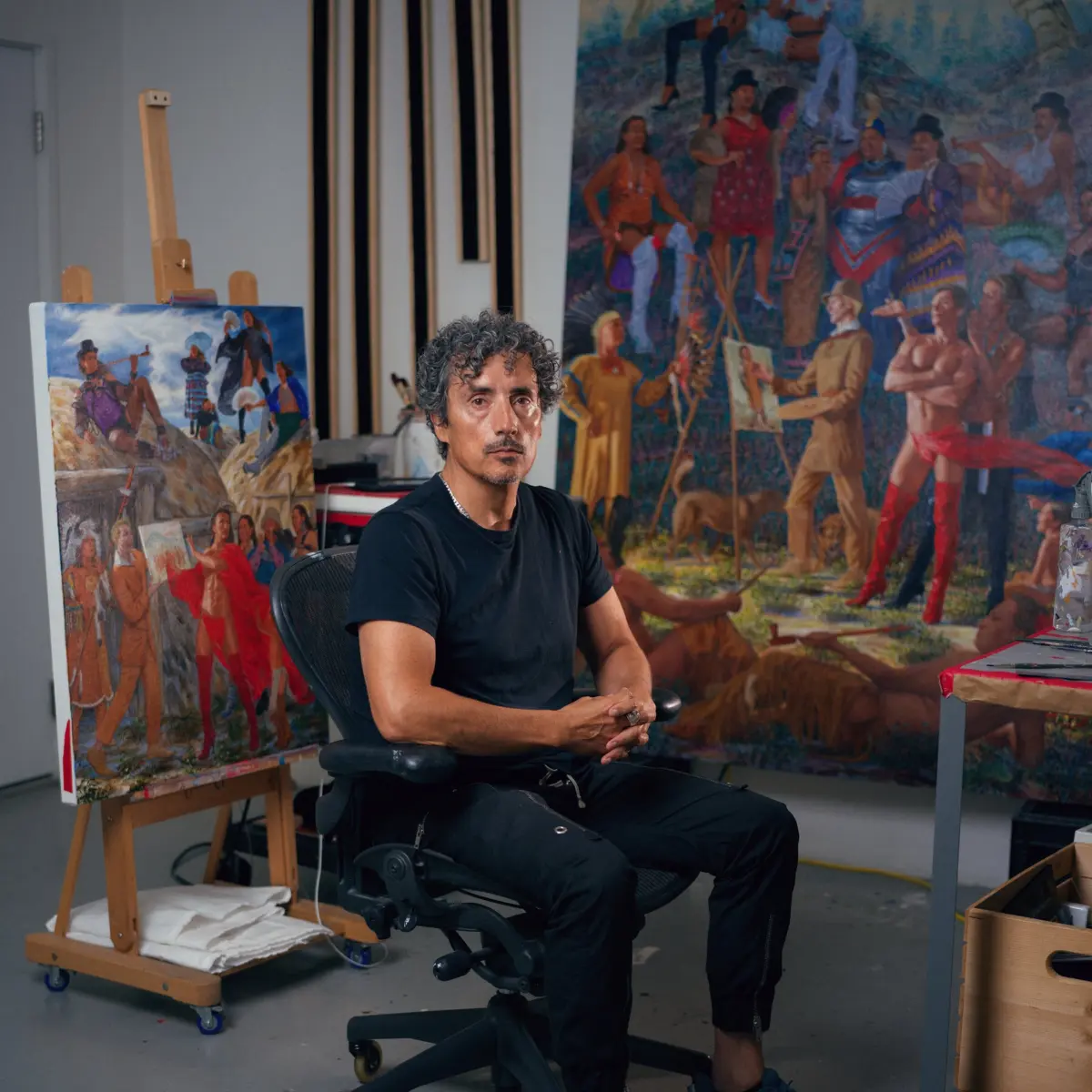
For the branding and visual identity of Hoy, Adraincem turned to a close family member: his cousin, Kristofferson San Pablo, a well-known Los Angeles-based artist and designer. Together, they sought to capture the intense, vibrant fun of a Manila night market without overwhelming the senses.
The walls feature intricate patterns drawn from some of the oldest textile traditions in the Philippines, offering a subtle yet striking nod to cultural heritage. Shelves throughout the dining room mimic a traditional sari-sari store—the neighborhood convenience shops typically found on street corners across the Philippines, often operating directly out of family homes to sell everyday essentials. These shelves also house treasured cookbooks passed down from Adraincem’s parents alongside volumes from local culinary favorites, serving as the conceptual baseline for the kitchen’s creations.
Crucially, the team made a conscious decision to steer clear of predictable Filipino design clichés, such as the traditional sun and stars from the national flag or formal barong tagalog garments. Instead, they embraced quirky, deeply cultural iconography like the novelty "barrel man" souvenirs, water buffalo (carabao), and imagery celebrating everyday agricultural life.
"It’s super Filipino culture," Adraincem says of the barrel man. "And the other fun part of it is I get to teach people who don’t know about this. These barrel men were made-to-sell souvenirs for poor people to make money. But it’s also how Filipinos act: It’s fun, it’s a gag gift."
The restaurant’s aesthetic also leans heavily into spontaneous pop-culture references, crafted rapidly in collaboration with San Pablo. Among the early viral moments was a Knicks-themed choking sign shared on social media, demonstrating how quickly the team can translate current cultural conversations into physical art for the space. In addition, Hoy plans to display works from various local artists in New York and Los Angeles, prioritizing community-minded creators who reflect the restaurant’s ethos.

Merchandising as an Extension of Hospitality and Brand Identity
While many hospitality venues launch with minimal design elements and introduce merchandise only after establishing financial stability, Hoy is taking an all-in approach from day one. Alongside a fully realized interior design, the restaurant is preparing a robust merchandise line featuring T-shirts, hats, tote bags, house slippers, and potentially custom barrel-man keychains.
Drawing from his seventeen years in the restaurant industry, Adraincem observed how popular hospitality merch had become, noting that bartenders frequently wear apparel from rival establishments to show industry solidarity. Inspired by seeing patrons proudly sport branded gear from favorite restaurants and corporate food icons like Kikkoman, he recognized merchandise not only as an effective marketing tool to spread brand awareness, but also as a viable secondary revenue stream. Most of these future apparel lines will be produced in collaboration with independent artists and creatives.
Bringing the physical restaurant together has required immense logistical effort, particularly during a challenging economic climate for independent operators. Adraincem describes the process as a meticulous exercise in comparing prices across major retailers like Home Depot, Amazon, and The Container Store to manage ballooning furnishing costs.
To enhance the tropical atmosphere of the Philippines, the restaurant incorporates abundant vegetation. The team has constructed a makeshift pond out of a large planter pot and established an adjacent garden where they are currently cultivating lemongrass, a calamansi tree, and labuyo chiles. Benefiting from a corner building with ample natural light, the plan is to cultivate an indoor jungle where staff and guests can eventually see, grow, and consume fresh ingredients.
Navigating Openings and Launching Community Residencies
As with many new hospitality ventures navigating New York City’s complex regulatory landscape, Hoy has encountered unexpected bureaucratic roadblocks. Current delays involving gas line approvals with the Department of Buildings have temporarily prevented the kitchen from cooking on-site.
Rather than letting the space sit dormant while waiting for administrative hurdles to clear, the team has pivoted to embrace the local community. They have launched an active residency program within the unfinished space, currently hosting Queens-based pastry purveyors Arellano Pandesal to serve traditional Filipino baked goods while Hoy manages the beverage program. Furthermore, the team is organizing a neighborhood marketplace featuring local vendors, friends, and family, transforming a regulatory setback into an early opportunity to welcome neighbors and build anticipation for the permanent opening.