





In the modern hospitality landscape, the traditional path of quietly signing a commercial lease, hiring an interior designer, and waiting for opening night to invite the food press has been upended. Across social media, a new wave of restaurant owners, bar operators, and food entrepreneurs are pulling back the curtain on the grueling, unglamorous, and deeply stressful process of launching a venue. By turning their buildouts, permitting nightmares, and equipment sourcing into serialized video content, these founders are building massive, highly engaged digital audiences before they even unlock their front doors.
This phenomenon represents the final installment of the industry series "Getting on the Map," presented by Apple Maps, which explores how the most creative bars and restaurants are marketing themselves to stand out in an increasingly crowded and competitive hospitality scene. Rather than relying solely on traditional public relations or late-stage reviews, modern operators are weaponizing transparency, transforming themselves into reality TV stars and their construction sites into compelling serialized entertainment.
Consider the recent debut of Susu’s, a new neighborhood bar in Brooklyn. In a video that quickly amassed over 103,000 views and a flurry of excited comments on Instagram, bartender-turned-owner Michael Bishop-Myers invited the public directly into his world. "Hey, I’m Mike," the video opens, setting a casual, intimate tone. "I’ve been a bartender for a long time in New York City and I’m opening my very first bar. Let’s go inside."
Subsequent clips showed Bishop-Myers sorting through prospective menus, construction crews drilling into the in-progress bar counter, and staff carefully adjusting wall frames. Earlier installments offered audiophiles a glimpse into the venue’s technical specifications, showcasing the installation of a high-end sound system featuring 12 Klipsch speakers and a Powersoft amplifier. For a new business trying to establish a foothold in New York’s notoriously cutthroat bar scene, this early digital foot traffic translates directly into community goodwill and anticipation.
This strategy is part of a broader cultural shift where social media platforms like TikTok, Instagram, and YouTube allow creators to bypass legacy gatekeepers and take their narratives directly to the consumer. Beginning in 2022, Chicago chef Jacob Potashnick utilized TikTok to meticulously chronicle the building and conceptualization of his tasting menu restaurant, Feld. The restaurant officially opened in 2024, and the multi-year digital documentation paid off in astronomical ways: Feld has since won a prestigious James Beard Award and earned a coveted Michelin star, milestones that Potashnick now weaves into his current online content. Similarly, in Vancouver, Cowdog Coffee—founded by content creator Joe Lee—offered audiences a front-row seat to its physical buildout, proving that the appeal of behind-the-scenes transparency spans everything from fine dining to morning caffeine stops.
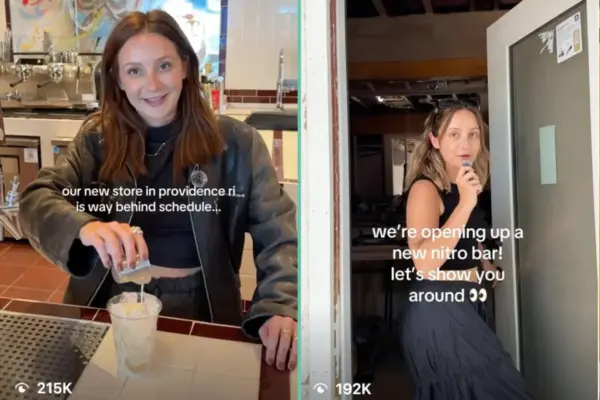
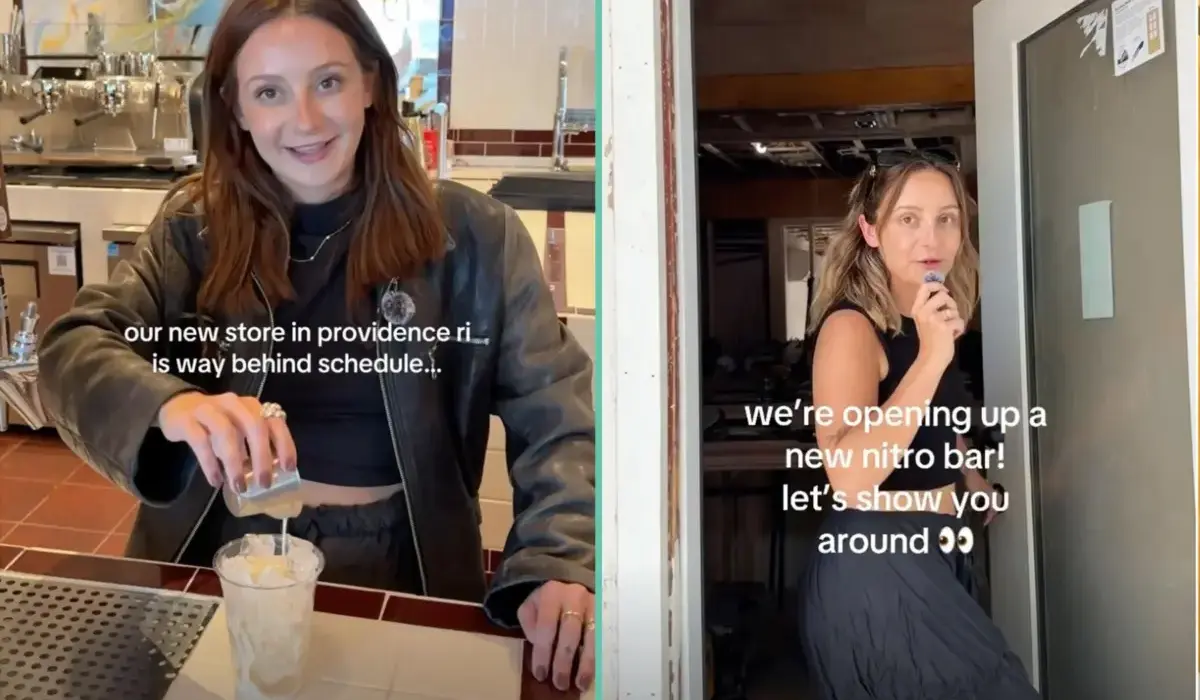
Among the pioneers of this digital-first operational model is The Nitro Bar in Providence, Rhode Island. Owner Audrey Finocchiaro has mastered the art of blending authentic business realities with internet humor, famously documenting her staff interactions alongside the operational absurdities of running a growing coffee business. Finocchiaro has expanded this approach to long-form YouTube videos, documenting her multi-phase journey to bring The Nitro Bar to New York City. One video, which has attracted more than 54,000 views, takes viewers on an immersive tour of the brand’s new production space, while others follow her into high-stakes interior design meetings.
As Rachel Karten of the social media-focused publication Link in Bio has observed, this approach relies heavily on a "my show is on" mentality. Speaking on a panel alongside Finocchiaro, Karten described the operational dynamic vividly: "You’re the host, the employees are the cast, the coffee shop is the set." Finocchiaro herself has frequently articulated her philosophy as treating the business like its own distinct person—an entity that customers can develop a genuine desire to befriend.

This intersection of lifestyle content, design inspiration, and parasocial relationship-building has also attracted established media personalities. Cookbook author and food personality Jake Cohen recently launched a digital series documenting his DIY transformation of a sprawling Brooklyn warehouse space into a dream test kitchen and event venue. Standing amidst bare walls and unfinished bathrooms, Cohen asks his followers direct design questions about stainless steel versus stone or butcher block countertops. The crossover appeal is undeniable: it functions as HGTV meets the Food Network, designed specifically for an audience whose culinary consumption habits are deeply intertwined with the digital personalities they follow. Through these serialized construction diaries, a commercial venue evolves from a cold business transaction into a narrative character that viewers actively root for.
The most extreme and heavily publicized manifestation of this trend can be found in the launch of Meadow Lane, a high-end specialty grocery store in New York City. Founder Sammy Nussdorf documented the arduous, roller-coaster journey to opening his store over a span that, according to Grub Street’s analysis, stretched across more than 430 days, multiple permitting roadblocks, and nearly 700 TikTok posts. By the time Meadow Lane finally opened its doors in late 2025, Nussdorf had transcended the traditional role of a retail founder to become as familiar—and occasionally as polarizing—a media figure as a reality television star.
The protracted "will-it-open-or-won’t-it-open" narrative gave the grocery store buildout the suspenseful cliffhanger appeal typically reserved for scripted television. In an interview with The New York Times, Nussdorf reflected on the strategy, noting that increased disclosure and the unveiling of the private mechanisms behind a business naturally heighten public interest. That relentless transparency proved to be a masterclass in modern guerrilla marketing, resulting in lines stretching down the block during the store’s opening week and turning a local Manhattan shop into a national talking point.
This appetite for operational honesty is rippling across the entire culinary sector. Substack and short-form video platforms have given industry professionals the tools to communicate directly with an audience hungry for the unvarnished truth of restaurant life. Chefs like Stockholm’s Bill Allison have built digital followings by sharing the daily nuts-and-bolts of professional kitchens. Meanwhile, newly launched ventures like Legion, a New York City restaurant, bypassed heavy short-form video marketing in favor of a detailed Substack series titled The Opening Files, detailing the precise steps leading up to its debut. Where a prospective restaurateur once had to convince a traditional magazine editor that the granular details of sourcing dishware or negotiating commercial leases were newsworthy, contemporary operators can now test that hypothesis directly in real-time.
Even legacy media institutions have begun leaning into this reality-TV approach to hospitality reporting. Last year, Curbed published a multi-part series following restaurateur and author Eddie Huang as he navigated the complex logistics of opening his new restaurant space, Baohaus. Huang’s essays offered stark, candid confessions regarding the unglamorous realities of touring commercial spaces, managing collapsed deals, and breaking down the precise, often brutal financial mathematics of modern restaurant rents and municipal permits.
Ultimately, this burgeoning trend points to a fundamental human truth: people are naturally inquisitive about how things work behind closed doors, especially within an industry as sensory and high-stakes as hospitality. By transforming the sweat, stress, and structural dust of a restaurant buildout into an open invitation, modern operators are discovering that the best way to fill dining rooms tomorrow is to let the public build them today.