









Navigating the landscape of government-assisted healthcare remains a formidable challenge for millions of families across the United States, particularly for those caring for adults with intellectual and developmental disabilities (I/DD). Recent statistics underscore a critical gap in the system, revealing that less than half of the estimated 2.25 million adults living with I/DD in the United States are currently enrolled in government support programs such as Medicaid and Medicare.
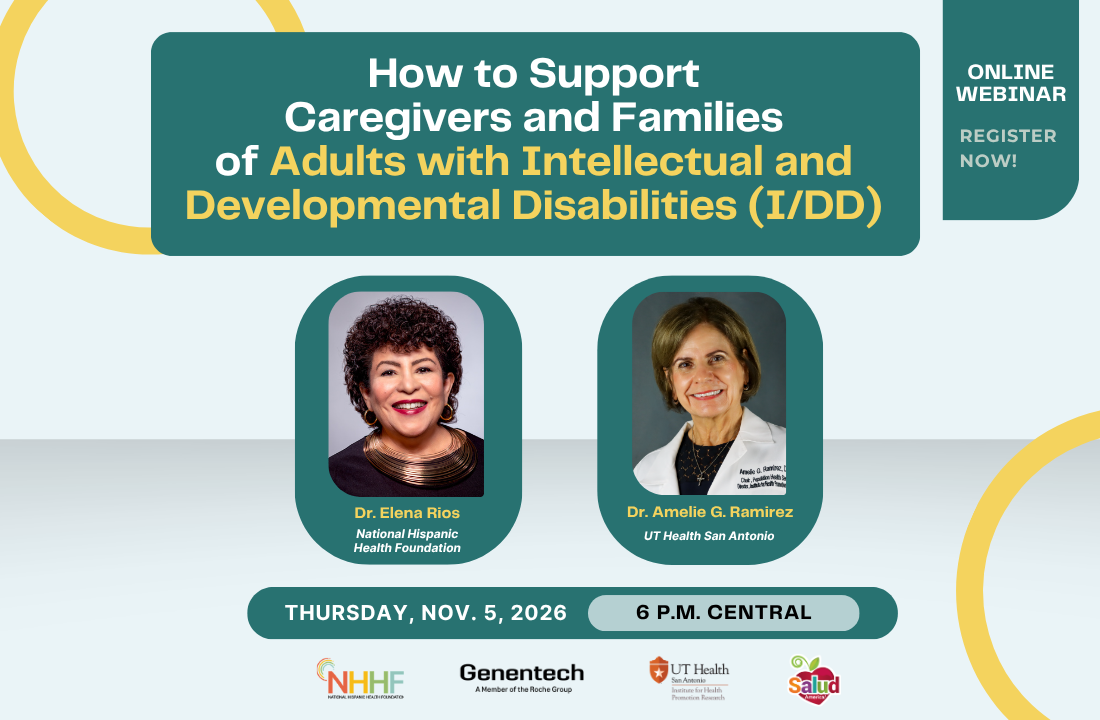
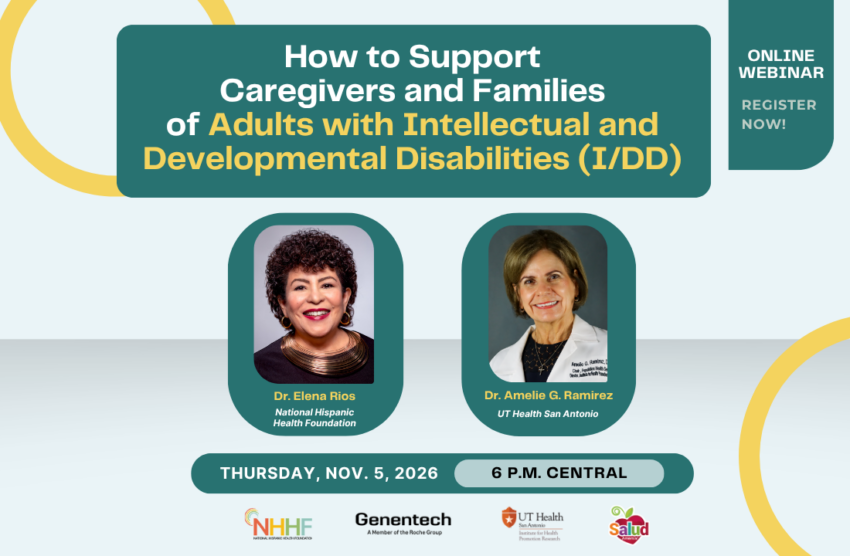
To address this pressing issue and provide actionable pathways to essential services, UT Health San Antonio is scheduled to host a comprehensive virtual event. The upcoming webinar, titled "How to Support Caregivers and Families of Adults with Intellectual and Developmental Disabilities (I/DD)," will take place at 6 p.m. Central on Thursday, November 5, 2026.
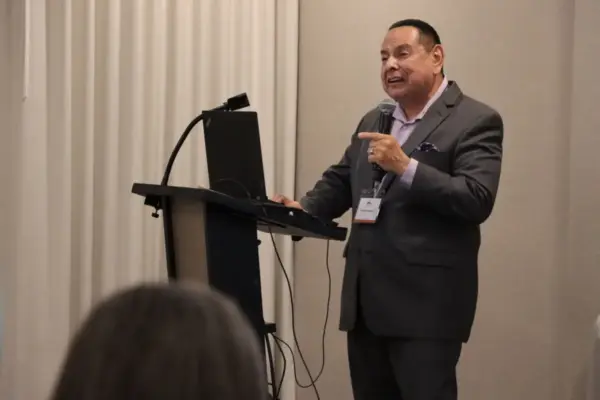
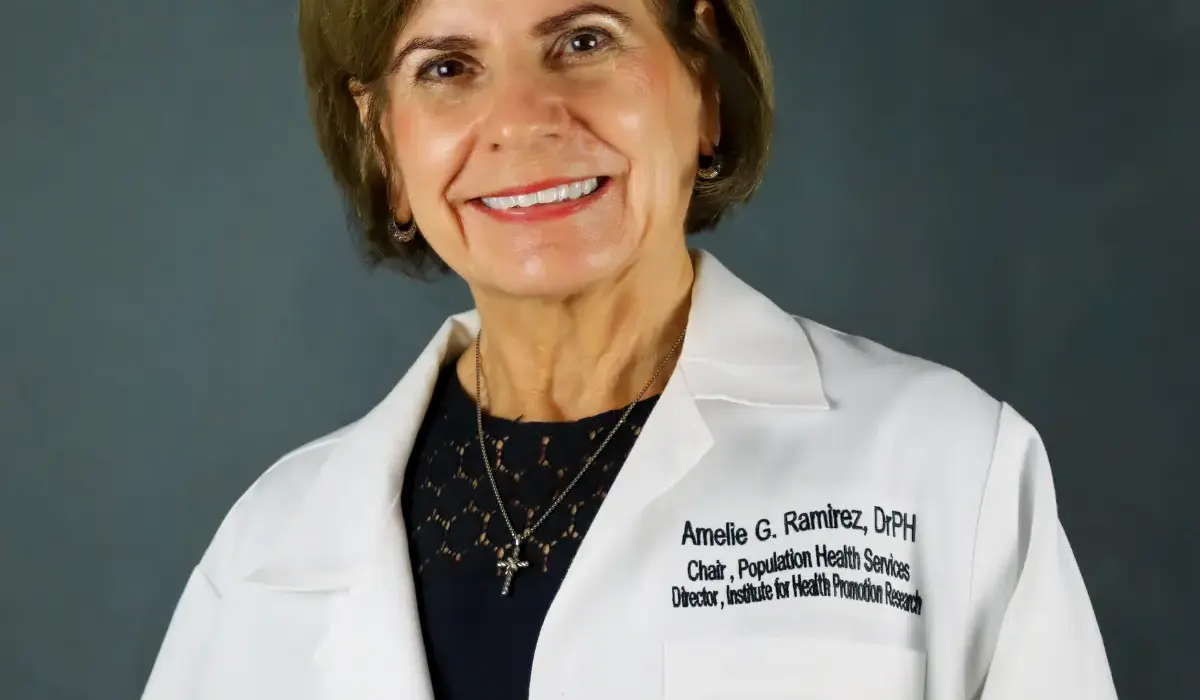
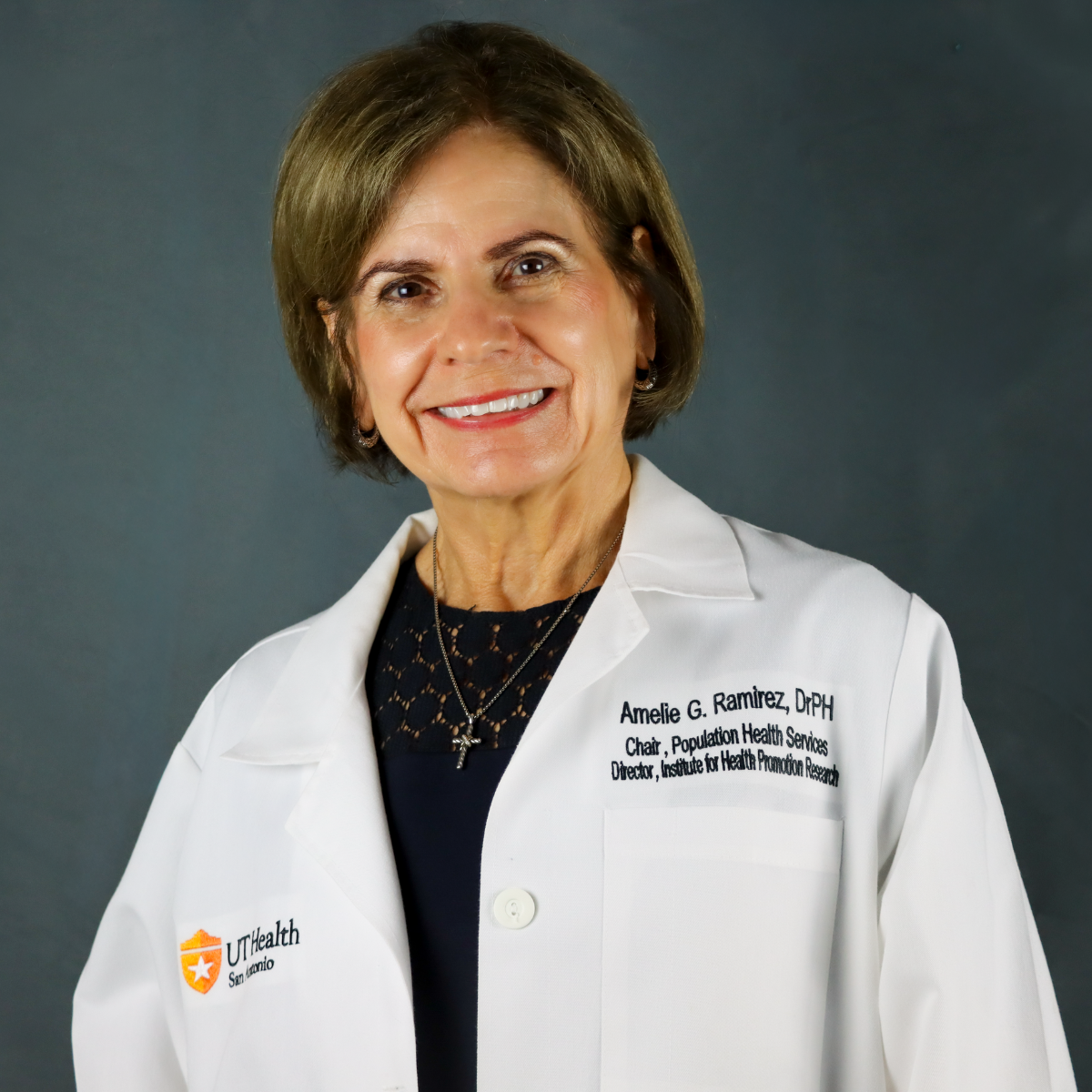
The event is designed to connect family members, advocates, and primary caregivers with the tools, knowledge, and resources required to navigate an increasingly complex healthcare climate. Dr. Amelie Ramirez, director of Salud America! and the Institute for Health Promotion Research at UT Health San Antonio, will host the session. She will be joined by prominent national experts, including Dr. Elena Rios of the National Hispanic Health Foundation (NHHF), representatives from Genentech, and leaders from various organizations dedicated to elevating the quality of life for individuals with I/DD and their support networks.
Exploring Policy, Literacy, and Systemic Access to Care
During the November webinar, participating experts will dive deep into the evolving dynamics of government-assisted healthcare. Discussions will focus heavily on building practical health literacy and competency surrounding Medicaid and Medicare specifically for I/DD populations. Furthermore, the panel will evaluate how targeted policy and systemic changes can improve long-term access to care for vulnerable communities.
The virtual event is made possible through the generous sponsorship of the National Hispanic Health Foundation and Genentech. Organizers emphasize that the dialogue will bridge the gap between high-level healthcare policy and the day-to-day realities faced by families and caregivers on the ground.
Logistics, Accessibility, and Pre-Event Participation
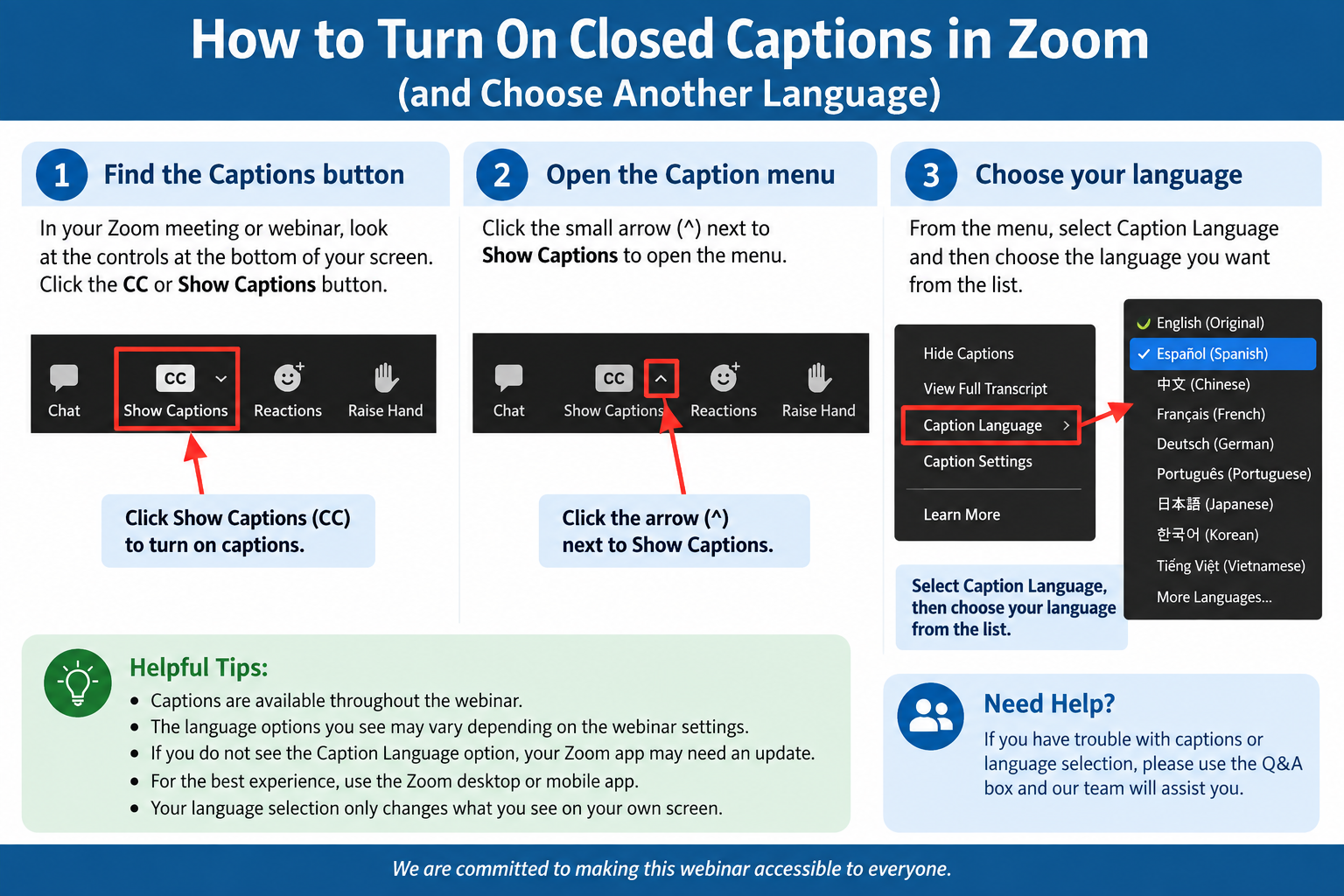
Organizers have prioritized broad accessibility for the live virtual gathering to ensure that all interested caregivers, advocates, and healthcare professionals can participate fully. The webinar will be presented primarily in English, with integrated closed captioning available in multiple languages, including both English and Spanish. Detailed instructions on how to activate the closed captioning feature will be announced vocally at the start of the event and shared within the chat window. A designated co-host will also be on hand to assist attendees who may encounter technical difficulties accessing accessibility features.
Individuals requiring specific webinar accessibility accommodations are encouraged to submit their requests in advance by emailing the organizing team at [email protected].
In addition to attending the live session, organizers are inviting all registered participants to complete a brief pre-event survey. Feedback collected from these surveys will assist researchers and event coordinators in gauging how effectively the webinar communicates complex policy and caregiving topics, while also helping to shape the focus of future educational initiatives.
For those unable to attend the live broadcast on November 5, a complete recording of the webinar will be made available following the conclusion of the event. Registrants who miss the live session will automatically receive a link to the video recording via a follow-up email. Registration and pre-event survey access are currently open online.
Distinguished Panel of Speakers and Moderators
The virtual panel will bring together leaders in public health, advocacy, and medical policy. The session and subsequent discussions will be moderated by Dr. Amelie Ramirez.
Dr. Ramirez is an internationally recognized researcher specializing in health promotion and behavioral change. In addition to directing Salud America! and leading the Institute for Health Promotion Research within the Department of Population Health Sciences at UT Health San Antonio, she serves as the associate director of cancer outreach and engagement at the NCI-designated Mays Cancer Center. Over a career spanning more than three decades, Dr. Ramirez has directed numerous research initiatives focused on human and organizational communication aimed at reducing chronic disease and cancer disparities across diverse populations, encompassing cancer risk factors, clinical trial recruitment, and tobacco and obesity prevention.
Joining Dr. Ramirez on the panel is Dr. Elena Rios, MD, MSPH, MACP. Dr. Rios is the founder and president of the National Hispanic Health Foundation and maintains active leadership roles on several influential boards, including the National Hispanic Leadership Agenda, the Better Medicare Alliance, and the Natural Resources Defense Council, among others. Additional panelists contributing to the discussion are slated to be announced by event organizers in the coming weeks.
Behind the Series: Addressing the Healthcare Access Crisis
The upcoming November event represents the second installment in a specialized two-part webinar series focusing on I/DD and access to Medicaid and Medicare programs. This comprehensive series was developed and sponsored by the National Hispanic Health Foundation and Genentech in direct response to a mounting health insurance crisis triggered by recent shifts in government-assisted healthcare access.
Recent legislative and administrative adjustments have introduced significant hurdles to program participation, increased renewal difficulties, and established new deterrents against the expansion of healthcare eligibility. Projections indicate that these sweeping policy shifts could strip health insurance coverage from approximately 14 million Americans. A disproportionate number of those at risk of losing coverage belong to vulnerable populations, including Latino communities and adults living with intellectual and developmental disabilities.
The first webinar in the series, titled "From Healthcare to Policy—Exploring Medicaid and Medicare Access for Adults with Intellectual and Developmental Disabilities (I/DD)," was successfully conducted on Tuesday, September 22, 2026. That foundational session convened experts from the National Hispanic Health Foundation, the University of New Mexico, the Coalition of Texans with Disabilities, and Disability Rights California. Discussions during the September event centered heavily on equipping healthcare professionals, social workers, and community advocates with strategies to help their clients navigate ongoing Medicaid and Medicare policy changes.