










By Johanna Ferreira
September 24, 2026
The recent public speculation surrounding Jenna Ortega’s appearance has been difficult to watch—not because her body requires an explanation, but because the response shows how acceptable people still find it to discuss women’s bodies as though they’re public property, open to observation, assessment, and criticism.
When high-profile figures face intense, unsolicited commentary regarding their physical appearance, it sends a ripple effect across digital spaces and daily life alike. It reinforces a pervasive cultural conditioning that treats women’s physical forms as communal topics of debate. For years, public figures have attempted to draw boundaries, yet public discourse continues to default to an invasive inspection of weight, health, and shape. This cycle of commentary is not merely an isolated reaction to a celebrity; it is a symptom of a much larger, deeply ingrained societal obsession with policing how women look.
I have spent most of my life relatively thin, and I know that the comments I receive about my body aren’t equivalent to the systemic judgment and discrimination experienced by people in larger bodies. Still, this year reminded me how deeply we’ve normalized treating weight as public information. After I unintentionally lost weight while struggling with SIBO—sometimes unable to digest more than one meal a day—neighbors and acquaintances began congratulating me. Their compliments reflected a culture so committed to thinness that visible weight loss was seen as good news, even when it showed I wasn’t well.
That paradoxical response—praising someone for a physical transformation driven by illness—lays bare the distorted lens through which society views weight. When physical reduction is automatically coded as an achievement, it divorces health from well-being. It communicates that looking a certain way matters far more than actually feeling well, creating a hazardous environment where physical deterioration can be mistakenly applauded simply because it fits a narrow aesthetic ideal.
It’s no wonder so many women struggle with body image and eating disorders. In a July interview with Jay Shetty, Camila Mendes described how receiving compliments when she lost weight because of her eating disorder confused her. The praise reinforced the idea that she looked best at her thinnest, even when she wasn’t well. Mendes’s candid reflection highlights the psychological trap built by well-meaning but harmful societal conditioning. When validation is tied directly to a reduced physical size, individuals battling severe health issues or psychological distress find themselves caught in a loop where their suffering is inadvertently encouraged by the people around them.
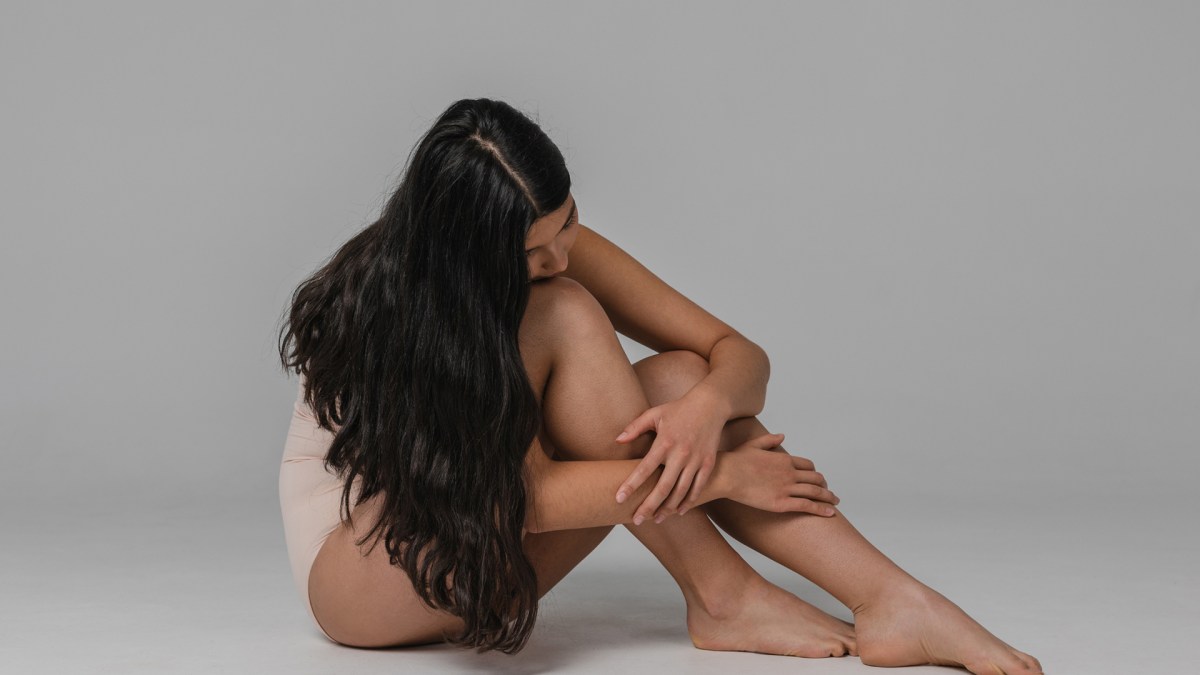
That’s the thing about being a woman: No version of our bodies seems to escape commentary. We’re too thin, too fat, or not curvy enough. People always find something to observe, question, praise, criticize, or worry about—and it’s exhausting to be on the receiving end of that scrutiny. This unrelenting examination follows women across every stage of life, infiltrating professional environments, social gatherings, and private spaces. The underlying message is persistent and exhausting: a woman’s physical form is never simply hers to inhabit quietly; it is always subject to the evaluation of an unseen jury.
For Latinas, that scrutiny often begins when we’re young. Many of us grow up in families and cultures where comments about women’s bodies are so normalized that we don’t always recognize them as boundary violations. One relative tells you that you’ve gotten too skinny; another is quick to point out that you’ve gained weight—a tía comments on your thighs or waist. My girl cousins often told me I was too skinny and needed to gain weight. In my family, one of my nicknames has always been flaca. It was usually a term of endearment, yet losing even a few pounds could suddenly become a source of concern. Jokes about my thinness rarely bothered me, and I knew they often came from love. But loving intentions don’t erase the underlying message: My body is available for others to evaluate.
This familial and cultural context complicates the navigation of body image within many Latino households. Affection and unsolicited advice are frequently intertwined, making it difficult to establish boundaries without feeling like you are rejecting the warmth of the community. Comments are passed across dining tables and during family gatherings as casual observations, masking invasive assessments as expressions of care. Yet, the cumulative effect of these remarks teaches young girls early on that their bodies are subject to public consensus.
What makes this scrutiny particularly complicated for Latinas is how contradictory the expectations can be. We’re told to be thin—but not too thin. Curvy, but never “fat.” Feminine and voluptuous, as long as our stomachs are flat and our waists are tiny. We’re encouraged to eat, then criticized for gaining weight. We’re praised for losing weight, then asked whether we’re eating enough—a question I’ve heard my entire life. No version of our bodies is allowed to be.
These shifting, impossible standards create a psychological labyrinth. To meet one expectation is to fail another. If you embrace curves, you may be faulted for not fitting the streamlined silhouette favored by mainstream fashion; if you lean toward a leaner frame, you are met with concern or accusations of illness. The goalposts are constantly moving, ensuring that contentment remains perpetually out of reach.
That’s why the reaction to Ortega’s body felt so familiar. Her younger sister, Aliyah, recently supported a fan’s message reminding people that Jenna “doesn’t owe anyone an explanation” for her body, which she doesn’t. The idea is simple: Women shouldn’t have to explain why their bodies look the way they do. And yet, in 2026, we still need to say it. A woman’s body is not a public question she is required to answer.
The solidarity shown within families, such as Aliyah Ortega’s public defense, points toward a necessary shift in how society addresses these boundaries. It underscores the importance of pushing back against the normalization of invasive commentary, whether it originates from tabloid media, social media algorithms, or dinner table conversations. Until society learns to view women as individuals rather than aesthetic exhibits, the burden of navigating this relentless scrutiny will continue to fall squarely on the women forced to endure it.