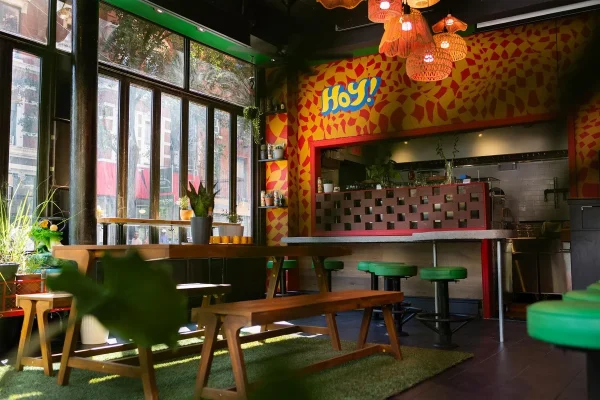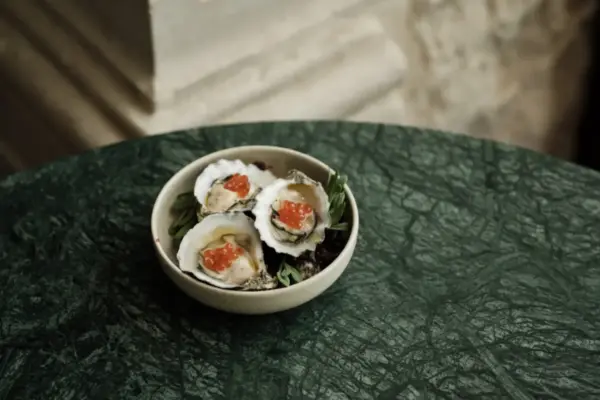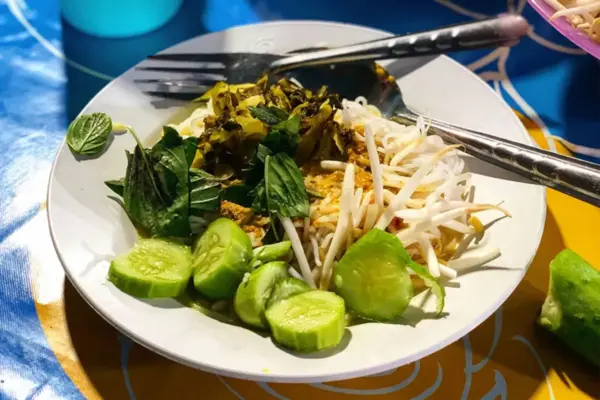










The culinary landscape of Chicago’s vibrant Lincoln Park neighborhood welcomed an ambitious new dining destination this summer, as accomplished chefs Zubair Mohajir and Jacob Dela Cruz officially opened the doors to Muhājir. Stepping away from the rigid precision of their previous fine-dining ventures, which heavily favored meticulously orchestrated tasting menus, the dynamic duo has chosen a vastly different path for their latest concept. Muhājir explores an expansive, border-spanning culinary tapestry that bridges the rich food cultures of Europe, the Middle East, and Southeast Asia. Built around a dynamic, wood-fired hearth, the restaurant’s menu is purposefully designed for sharing, inviting guests into a communal and deeply tactile dining experience.
To capture the rigorous daily rhythm required to bring this global vision to life, the chefs recently walked through a complete cycle of food preparation and service at the Lincoln Park restaurant. The behind-the-scenes look reveals an operation where ancient techniques, rare ingredients, and modern craftsmanship intersect under the intense heat of an open fire.
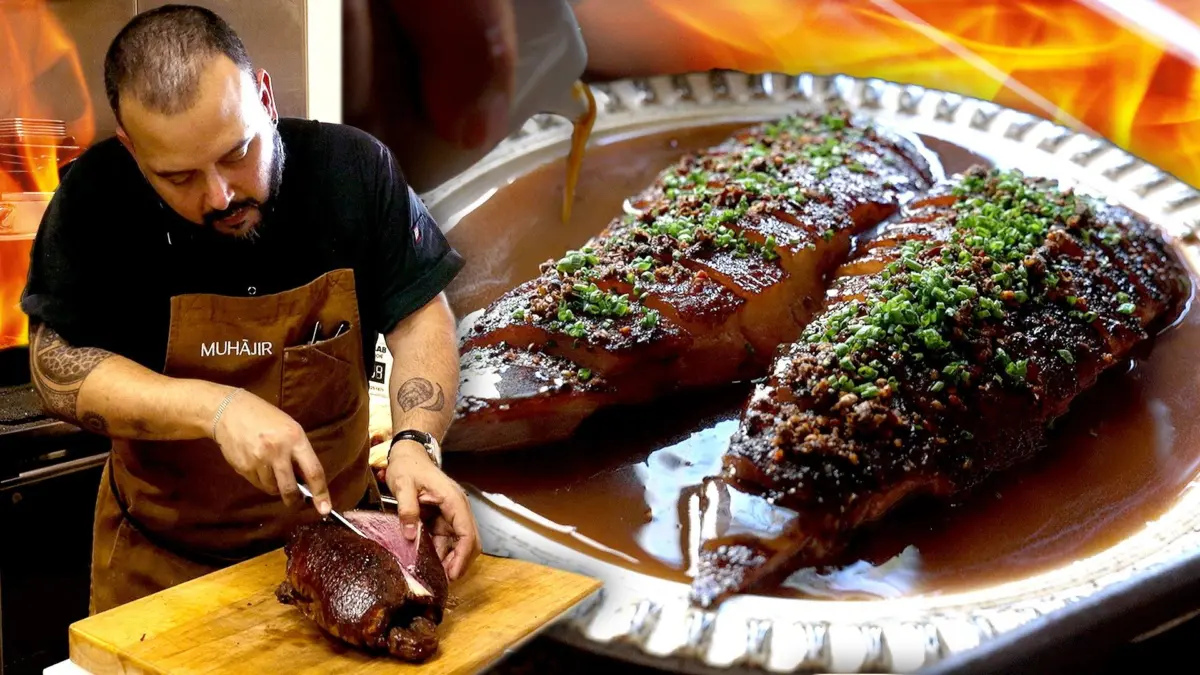
The extensive prep work begins well before the first dinner guests arrive, often centering on rare and labor-intensive proteins. Among the most striking examples on the menu is the Duck Numidian, a complex dish rooted in a 920-year-old historical recipe originating from southern Spain. Mohajir and Dela Cruz have spent years workshopping and refining the medieval formula to fit their modern kitchen. Breaking down a rare halal duck is a delicate and precise undertaking. The wings and neck are methodically rendered down over hours to produce a deeply concentrated duck jus served on the side. Meanwhile, the duck legs are transformed into a rich confit that is eventually folded into aromatic duck rice, complementing the dry-aged duck breasts that hang directly over the glowing fire right before service, later receiving a final crisping in the oven.
The kitchen’s culinary approach relies heavily on the marriage of ancient flavor profiles and modern open-fire cooking. To achieve the desired depth of smoke and consistent heat, the Muhājir kitchen utilizes a specialized blend of oak wood, olive wood, and coal within its central hearth and oven setup. This formidable fire station dictates the pace of the kitchen and shapes the character of nearly every dish that leaves the line.

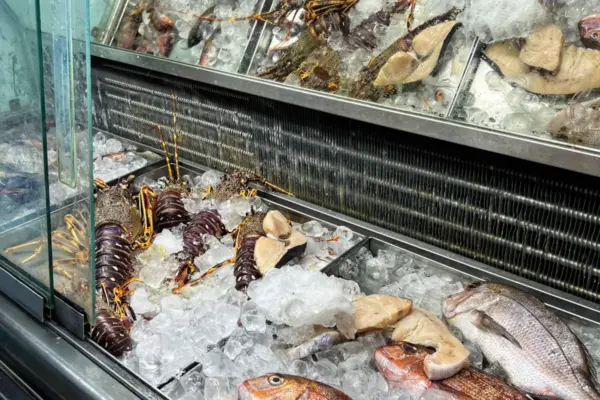
Before whole branzinos ever make contact with the searing grill, they undergo a meticulous fabrication process. The fish are broken down entirely by hand, and every single bone is carefully removed by the culinary team. To ensure optimal texture upon cooking, the branzinos spend several days resting in the refrigerator, drying out the skin so that it achieves an immediate, shatteringly crisp crust the moment it hits the live fire. Once perfectly charred and cooked through, the finished fish is delicately laid atop a luxurious, velvety sauce composed of walnuts, yogurt, and fresh coriander, then finished with a vibrant relish designed to introduce a sharp, balancing acidity to the dish.
The exploration of international comfort food continues with the restaurant’s take on traditional Pakistani fare, highlighted by the Beef Cheek Nihari. This deeply savory dish features premium halal wagyu beef, heavily seasoned with an intricate spice blend of toasted and ground cinnamon, black pepper, coriander, cumin, clove, and cardamom. The culinary process demands immense patience and technical control. The wagyu beef is initially roasted under high heat to lock in its inherent flavors before being slowly braised in its own rich fat for a staggering 14 hours. The same aromatic spices are carefully incorporated into a robust jus that infuses the beef throughout its prolonged braising cycle. True to traditional presentation, the beef is served directly to the table inside the ornate clay cooking vessel in which it was prepared.
Complementing these heavy-hitting proteins are intricate, handmade accompaniments that demonstrate the kitchen’s technical range, such as saffron rice dumplings known as faraa. Crafted entirely in-house, these delicate dumplings are treated much like a traditional pasta preparation, tossed with seasonal vegetables and coated in a lush, savory cream sauce.
The commitment to bold flavors extends even to the opening moments of the meal. Before the heavy proteins and hearth-cooked specialties arrive, guests are treated to a diverse array of house-made dips and shattas sourced from culinary traditions around the world. Utilizing creative ingredients that range from smooth cream cheese to earthy fava beans, these condiments are served alongside traditional papadam and freshly baked roasted focaccia, setting an eclectic and welcoming tone for the shared meal to follow.
Through the blazing heat of their central hearth and a menu that weaves together centuries of culinary history, Mohajir and Dela Cruz have established Muhājir as a bold new destination for diners looking to experience a true cross-cultural dialogue on a plate.