








With cancer remaining one of the most formidable public health threats in the United States, leaders at UT Health San Antonio and prominent national cancer experts have released a comprehensive new online book. The publication compiles innovative, evidence-based recommendations designed to reduce the burden of cancer specifically among Latino communities while simultaneously improving health outcomes for populations nationwide.
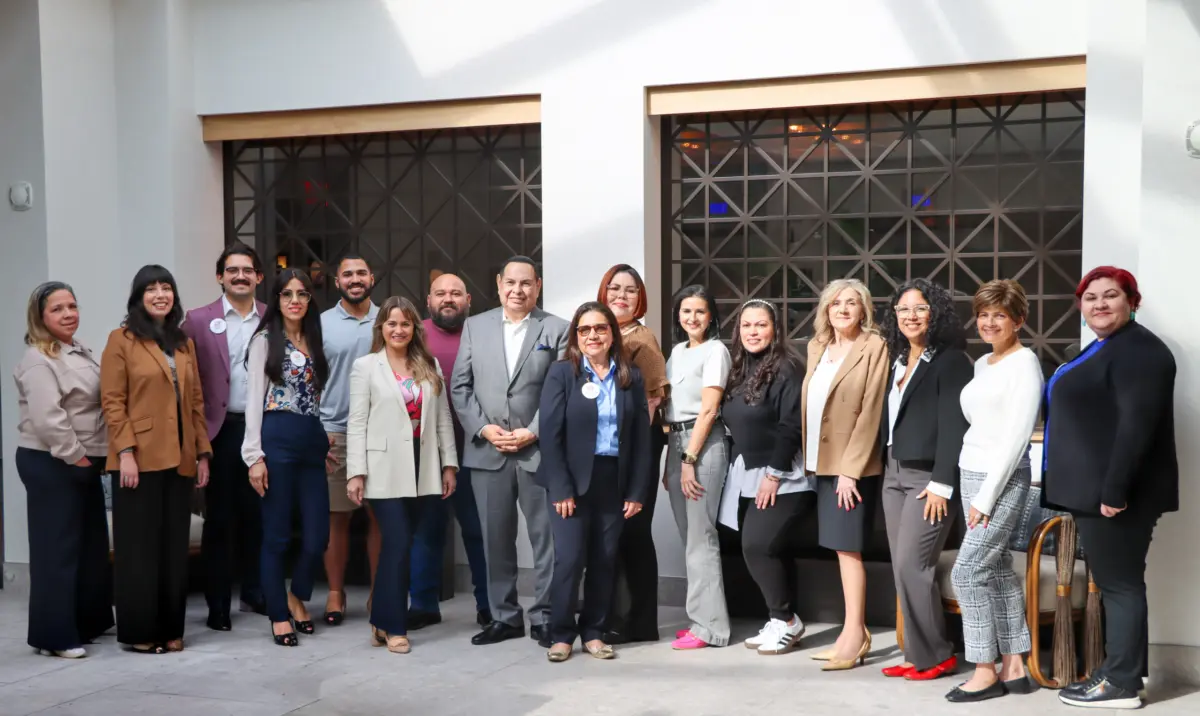
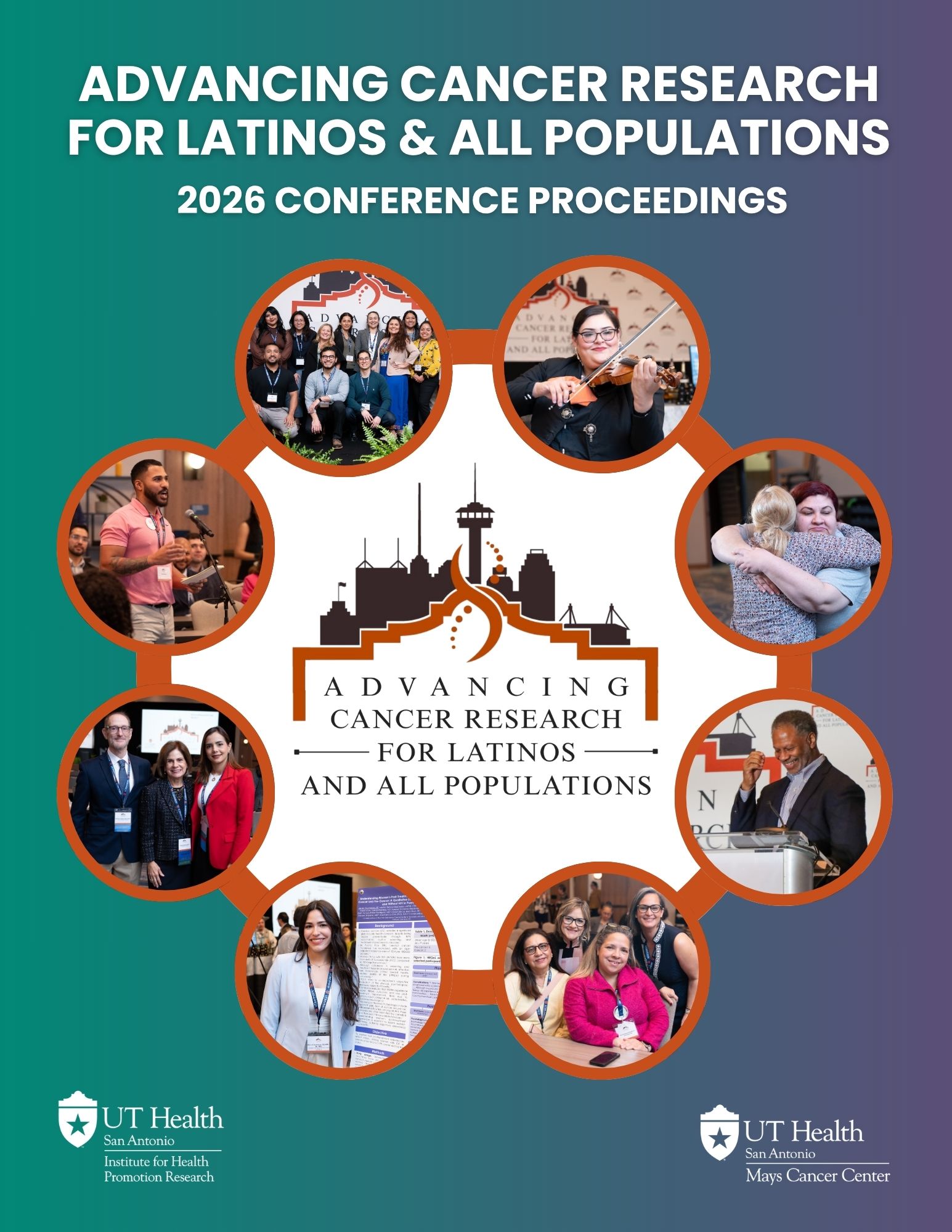
Titled Advancing Cancer Research for Latinos and All Populations: 2026 Conference Proceedings, the newly published digital book captures the core findings, discussions, and strategic initiatives that emerged from a landmark national conference held in San Antonio in February 2026. That gathering convened approximately 350 leading researchers, healthcare advocates, policymakers, and cancer survivors to address persistent health disparities and chart a course for future scientific breakthroughs. Building on the momentum of the inaugural event, organizers have already announced that a follow-up conference is scheduled for February 23 through 25, 2028, also in San Antonio.
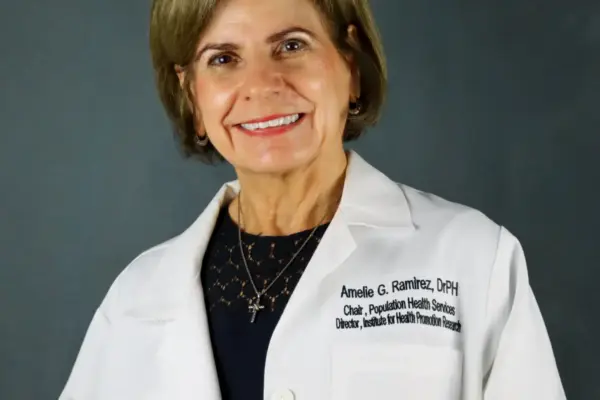
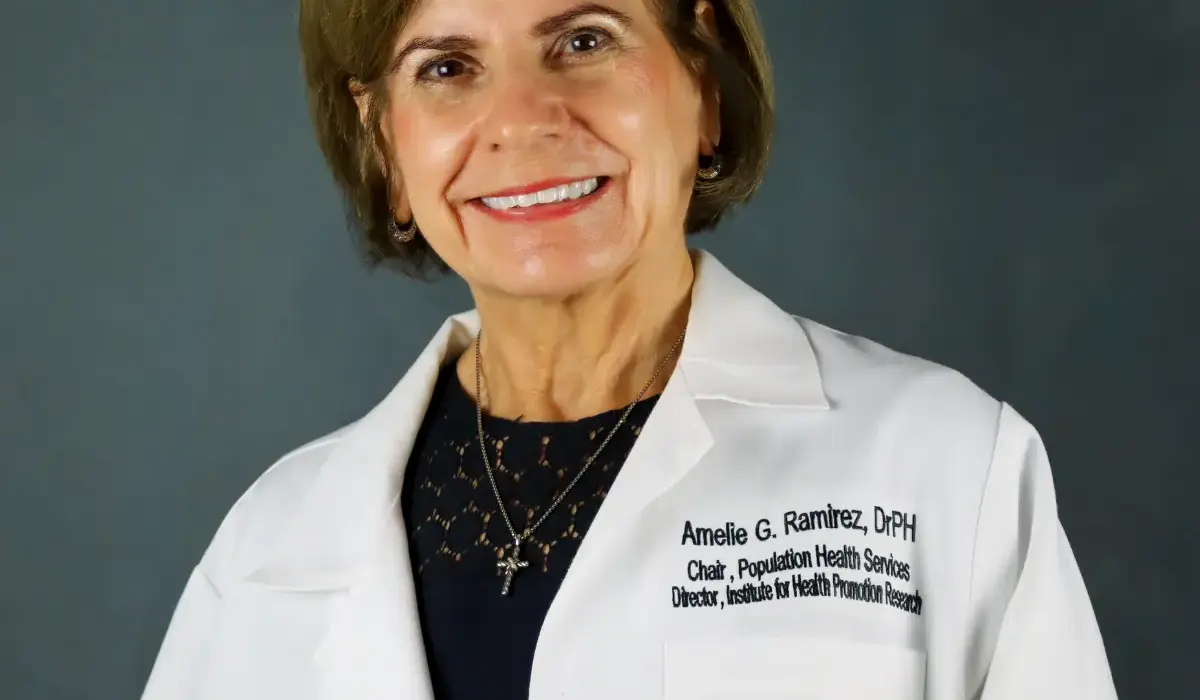
The newly released proceedings encompass a wide array of promising research findings focused on Latino cancer trends, alongside forward-looking strategies that span the entire cancer continuum. According to Dr. Amelie Ramirez, co-editor of the book, leader of the Salud America! program, and director of the Institute for Health Promotion Research (IHPR) at UT Health San Antonio, the publication addresses critical developments across genetics, prevention, early screening, detection, advanced treatment modalities, long-term survivorship, and health policy.
The IHPR co-hosted the 2026 conference in collaboration with the Mays Cancer Center at UT Health San Antonio. Dr. Ramirez emphasized that the publication offers an exhaustive look at the current state of cancer care and research in the United States, deliberately identifying collaborative solutions that stretch from the laboratory bench to the clinical bedside and out into community settings. She noted that both the book and the biennial conference series serve as a unified call to action, demanding focused attention on the systemic cancer challenges that disproportionately impact Latinos and other vulnerable populations.
Cancer Remains a Top Health Concern
The urgency behind these recommendations is underscored by shifting national demographics. Latinos currently comprise 20% of the total U.S. population, making it critically important to address a projected 142% surge in cancer cases among Latinos in the coming decades.
Cancer stands as one of the top two leading causes of death for Latinos living in the United States. Every year, more than 140,000 Latino individuals receive a cancer diagnosis. As detailed in the new conference proceedings, this demographic faces a disproportionately heavy cancer burden driven by deeply entrenched barriers to healthcare access, persistently low screening rates, minimal participation in clinical research trials, and a broader biomedical research landscape that frequently fails to reflect the true demographic diversity of the nation.
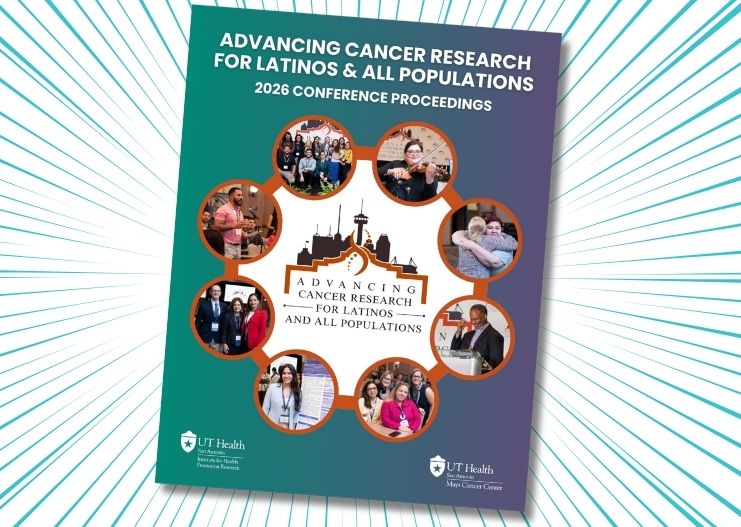
Dr. Ramirez explained that the overarching goal of the conference and the newly published book is to highlight specific areas where various sectors of society can intervene collaboratively to alleviate the compounding burdens of cancer among Latinos and the broader public.
Top Recommendations to Address Latino Cancer
To move from observation to intervention, the Advancing Cancer Research for Latinos and All Populations: 2026 Conference Proceedings book examines specific studies and outlines actionable recommendations for researchers, healthcare systems, and community leaders.
Among the primary focus areas is the imperative to address non-medical drivers of health. Factors such as individual insurance status, reliable transportation, and financial stability heavily influence variable cancer outcomes, meaning that clinical interventions alone cannot close health gaps without broader social support.
To combat lifestyle barriers—such as neighborhood safety concerns and transportation limitations that prevent outdoor exercise—the book highlights the potential of virtual reality simulations. These technologies create immersive and interactive artificial environments through headsets, successfully promoting physical activity among populations with restricted mobility or safe recreational spaces.
Another vital recommendation emphasizes that cancer prevention and management must be tightly integrated with primary care. A cancer diagnosis does not pause other chronic health conditions, such as hypertension or diabetes. Clinical findings show that patients who fail to maintain a relationship with a primary care physician during their cancer treatment consistently experience worse health outcomes than those who maintain coordinated care.
In the realm of clinical research, the book points to digital enablement and artificial intelligence as powerful tools to cut through the administrative complexity of matching patients with clinical trials. Traditional manual screening methods are often too slow, resulting in missed opportunities due to narrow eligibility windows, complex treatment sequences, or dynamic clinical changes. AI-driven systems can rapidly and accurately evaluate patient profiles to match them with appropriate trials.
Furthermore, the publication stresses that community outreach and engagement can effectively disrupt clinical trial segregation. By actively identifying cancer patients, providing culturally relevant clinical trial education, and building deep-seated trust, outreach initiatives can bridge the gap between academic medical centers and underserved neighborhoods. Successful community engagement requires developing a workforce that reflects the identities of the communities served, forging authentic partnerships with local organizations, responding directly to identified population needs, implementing language- and culturally tailored strategies, and committing to long-term investment and enduring relationships.
The volume also highlights a diverse collection of model programs and community resources intended to shape future initiatives aimed at reducing cancer disparities.
How to Use These Latino Cancer Recommendations
By establishing a comprehensive agenda for future health initiatives, the newly published conference proceedings provide a roadmap for stakeholders operating at local, regional, and national levels. Dr. Ramirez expressed hope that readers will thoroughly explore the compiled research to gain a fresh, comprehensive perspective on oncology, healthcare delivery, and health equity.
She also expressed gratitude for the dedicated partners who collaborated to make the biennial conference series possible. The 2026 conference received significant financial support from platinum sponsors Genentech, Bristol Myers Squibb, Gilead, Revolution Medicine, Natera, and AstraZeneca; gold sponsors Blood Cancer United, Menarini Stemline, and Eli Lilly; silver sponsors the National Hispanic Health Foundation, the American Cancer Society, and the STEAM Network; and amigo sponsors the University of New Mexico and the Sylvester Comprehensive Cancer Center.
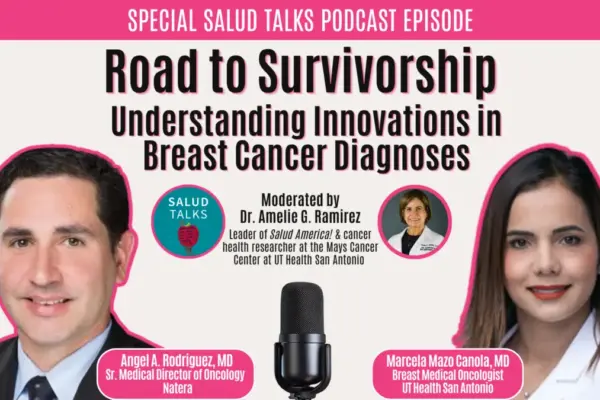
The scientific planning committee for the 2026 event was chaired by Dr. Amelie G. Ramirez of UT Health San Antonio, alongside co-chairs Dr. Edward J. Trapido of Louisiana State University and Dr. Marcela Mazo Canola of UT Health San Antonio. Committee members included Dr. Barbara Segarra-Vázquez of the University of Puerto Rico, Dr. Alejandro Recio Boiles of the University of Arizona, Dr. Maria Constanza Camargo and Dr. Janeth Sanchez of the National Cancer Institute, Dr. Gerardo Colon-Otero of the Mayo Clinic in Florida, Dr. Katherine Y. Tossas of Virginia Commonwealth University, Dr. Mariana C. Stern of the University of Southern California, Dr. Martin Mendoza, Dr. Matthew P. Banegas of the University of California San Diego, Dr. Patricia I. Moreno of the University of Miami, Dr. Yamile Molina of the University of Illinois, Dr. Laura Fejerman of UC Davis, Mary Jimenez representing the Community Advisory Board of the Mays Cancer Center, and Sandi Stanford of the Alamo Breast Cancer Foundation.
Concluding her remarks on the release of the publication, Dr. Ramirez emphasized the broader vision behind the project. She noted that organizers anticipate the book will inspire critical thinking and strategic planning, encouraging professionals across disciplines to apply these research-backed practices within their own institutions. Ultimately, the publication aims to foster greater collaboration, stimulate further research, and achieve measurable success in improving the health and lives of Latinos and all people.