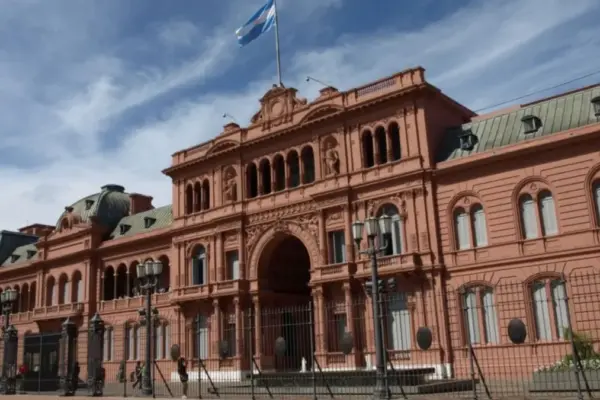











The United States has established a specialized regional security unit based in Argentina to intensify the ongoing fight against transnational drug trafficking and organized crime, Argentine Security Minister Alejandra Monteoliva announced on Monday.
The newly formed unit operates under the direct purview of the U.S. State Department’s Bureau of International Narcotics and Law Enforcement Affairs (INL). To support its mandate, the administration of U.S. President Donald Trump has approved a substantial funding package totaling US$13.35 million. This financial allocation represents a massive tenfold increase over the resources previously dedicated to bilateral security cooperation projects between Washington and Buenos Aires.
Speaking at the official announcement, Minister Monteoliva emphasized the deep-rooted trust and diplomatic alignment between the two nations. "Argentina is a reliable country, and our allies know it," Monteoliva stated, adding that the initiative underscores the status of Argentina and the United States as "strategic partners in the area of security."
According to official documentation released by the Argentine Security Ministry, the multi-million-dollar fund will be distributed strategically. Approximately US$7.5 million has been earmarked specifically for domestic cooperation projects within Argentina. The remaining funds will be allocated toward broader regional initiatives and joint operations that encompass Argentina alongside neighboring nations.
Despite the comprehensive announcement, the Argentine Security Ministry did not explicitly detail which specific countries will be included in the regional scope, nor did it outline the exact geographical boundaries the unit will patrol and monitor. Furthermore, officials did not release a finalized schedule of the specific tactical activities or field projects that will be executed under the banner of the new INL unit.
However, the ministry’s official statement clarified that the regional structure will facilitate the development of coordinated bilateral and multilateral projects. It will also finance the acquisition of advanced tactical equipment aimed at significantly fortifying operational capabilities on the ground and at sea in the ongoing battle against drug cartels and organized syndicates.
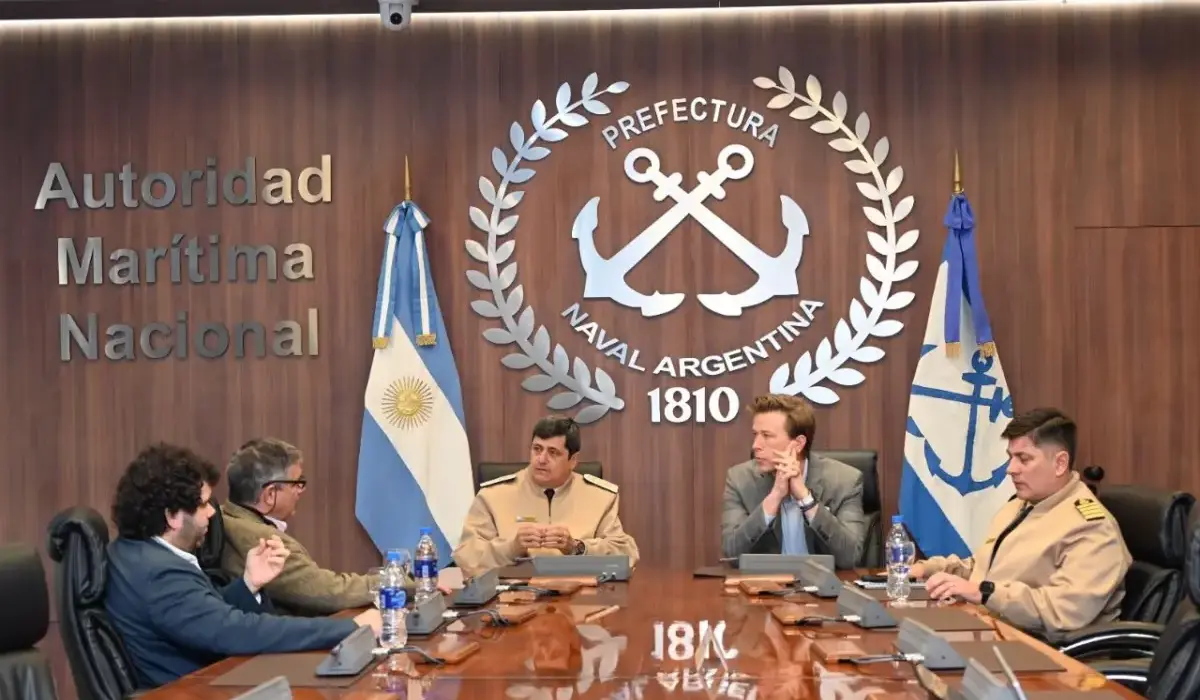
The launch of the initiative coincides with active regional engagement by U.S. officials. Last Friday, INL Director for Argentina and Uruguay Adam Weise visited the operational facilities of the Argentine Naval Prefecture, a security branch analogous to the United States Coast Guard. The visit formed part of ongoing technical cooperation activities shared between the two maritime security forces.
During his tour, Weise received comprehensive briefings and presentations detailing the Argentine Naval Prefecture’s advanced capabilities in maritime security, intelligence collection, and the deployment of cutting-edge technological tools designed for the prevention and early detection of illicit maritime activities, including narcotics smuggling along coastal and riverine routes.
Argentina and the United States
This major security development unfolds against the backdrop of Argentina’s decisive geopolitical and economic alignment with the United States under the administration of President Javier Milei. Since taking office, Milei has cultivated a warm and cooperative diplomatic relationship with Washington, fostering closer institutional ties across multiple governmental sectors.
Security cooperation has emerged as a cornerstone of this renewed bilateral partnership. In recent years, both governments have collaborated closely on a wide array of security-related initiatives, intelligence exchanges, and capacity-building programs.
"Argentina and the United States have been deepening their security cooperation through information sharing, criminal intelligence, training, technical assistance, and joint operational efforts," the Argentine Security Ministry noted in its official communication. The ministry further asserted that this enhanced level of cooperation has directly contributed to more effective operations against criminal organizations tied to international drug trafficking, while simultaneously achieving measurable progress in dismantling traditional trafficking corridors.
Nevertheless, the broader landscape of U.S.-Argentina security collaboration has occasionally stirred domestic and international controversy. In 2024, President Milei publicly expressed his desire for the United States to collaborate on the construction of a joint military base in Tierra del Fuego, situated at the southernmost tip of the South American continent. Proponents of the concept have noted that such a facility could potentially facilitate easier strategic access to Antarctica.
Milei’s remarks regarding the proposed southern base were made during a high-profile visit by then-U.S. Southern Command chief Laura Richardson to the intended site. Construction of the naval and logistics facility initially commenced in 2022 under the previous administration. However, the project has remained stalled at an early stage, with less than 10 percent of the work completed, following Milei’s inauguration in late 2023 and his subsequent freeze on public infrastructure works to curb government spending.
Amid recent geopolitical friction and growing diplomatic tensions between Argentina and the United Kingdom concerning the sovereignty of the Malvinas Islands in the South Atlantic, Milei reiterated his administration’s interest in reviving and completing the Tierra del Fuego naval base project in September. Despite renewed political rhetoric surrounding the strategic outpost, the Argentine president has not publicly mentioned the direct involvement of foreign military powers or external governments in the initiative, and physical construction work has yet to resume at the site.
(Editorial disclaimer: While the United Kingdom officially refers to the disputed South Atlantic archipelago as the "Falklands Islands," Argentina strongly contests this nomenclature and asserts historical sovereignty over the territory. The Buenos Aires Herald consistently refers to the islands as the Malvinas Islands.)