









When the horror film Obsession dominated the global box office over the summer, audiences left theaters experiencing a mix of lingering unease and genuine entertainment. For many pop culture enthusiasts, the film’s breakout success offered an unexpected bonus: a fresh, instantly recognizable option for the annual Halloween costume circuit. Among them was one moviegoer who initially looked forward to dressing up as actress Inde Navarrete’s central character, Nikki Freeman. After all, according to Google’s Frightgeist rankings—an annual data analysis tracking trending television and film costume searches—Nikki emerged as the third most-searched Halloween costume of 2026.
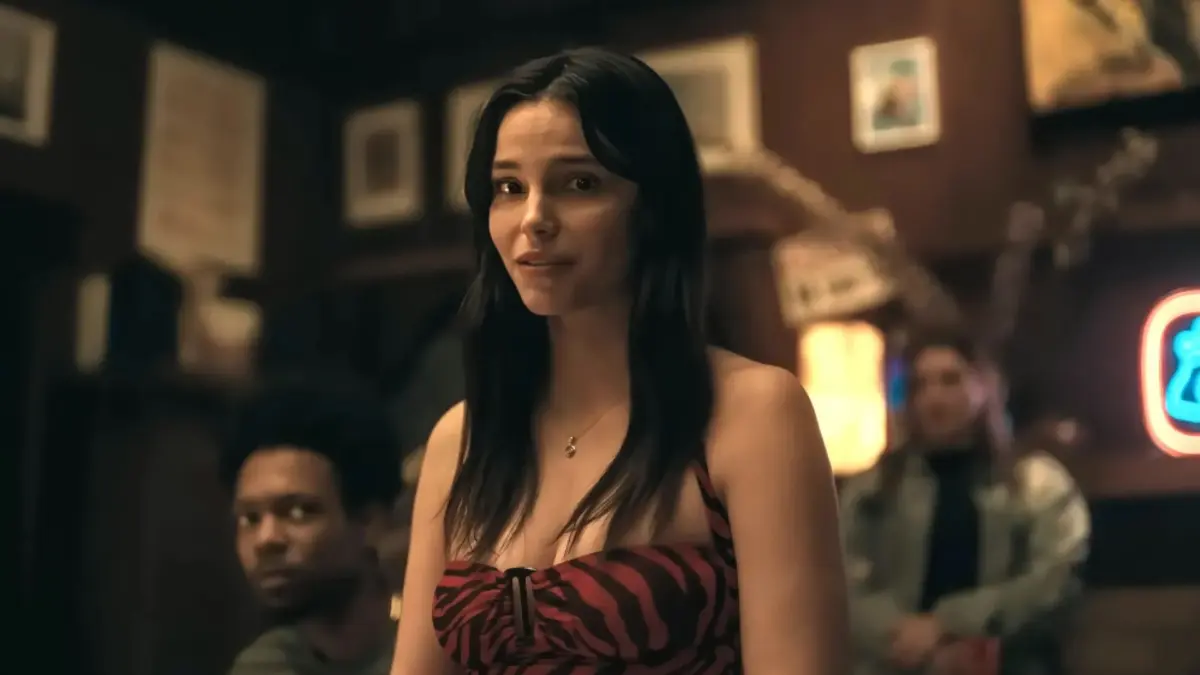
One of Navarrete’s most widely circulated looks from the movie features long dark hair, a striking red zebra-print halter top, short leather shorts, and rugged black boots. Almost immediately following the film’s theatrical release in May, online searches for Nikki’s signature top skyrocketed. Fast-fashion retailers such as Dolls Kill and Princess Polly quickly capitalized on the trend by offering commercial replicas. For a brunette fan with half the outfit already sitting in her closet, putting together the ensemble seemed like a straightforward, fun choice. Furthermore, paying homage to one of the year’s most prominent breakout Latina actresses felt like a compelling way to celebrate modern horror cinema.
However, as the planning stages progressed, a deeper hesitation set in. Dressing up as Nikki began to feel like walking into a trap—one that risked validating and perpetuating the deeply entrenched "toxic Latina girlfriend" trope. The prospect of donning the costume no longer seemed worth the risk of dismissing valid, growing criticisms about how the character’s controlling, manipulative, and jealous behavior played into a tired cinematic stereotype, ultimately overshadowing her genuine experience as a victim.
By the time the autumn season arrived, film critics and social media users had largely coalesced around a consensus regarding the movie’s plot: despite serving as the primary source of on-screen horror, Nikki was never truly the villain of the story. Instead, she had been stripped of her free will, left to suffer under supernatural manipulation. Bear, the film’s antagonist and the sole human who knows the terrifying reality of what Nikki is going through, is persistently portrayed as a helpless casualty of her supposed volatility. For many viewers, that specific framing mirrored the real-world experiences of countless Latina women who are routinely dismissed, pathologized, and written off as tóxicas.
The plot of Obsession follows Bear, a young man harboring an intense, obsessive crush on his coworker, Nikki. When he loses his nerve while attempting to articulate his feelings face-to-face, he resorts to using a novelty toy known as a "One Wish Willow," making a desperate wish that Nikki would love him more than anyone else in the world. Unbeknownst to Bear, his supernatural plea unleashes a dark curse. Consequently, Nikki becomes possessed by an otherworldly, and at times lethally obsessive, fixation on him.
Nikki wears her frequently searched red-and-black outfit during several of the film’s most memorable and unsettling sequences: her infamous eerie pout, her uncanny backward walk away from Bear, and the chilling moment she refers to herself as "Freaky Nikki"—a derogatory nickname that her conscious self utterly despised. Throughout the majority of these scenes, she is entirely under the control of the possession. Only in frightening, fleeting glimpses does her true, conscious self desperately break through the surface, only for the malevolent supernatural wish to swallow her whole once again.
The longer the decision was weighed, the more uncomfortable the idea of the costume became. Nikki was not an empowered antagonist, but rather the tragic victim of a man obsessed with the mere idea of possessing her. Notably, the film never explicitly dwells on or defines Nikki’s cultural background. The single scene that gestures toward her heritage occurs when a possessed Nikki constructs an intricate altar directly on the kitchen floor, meticulously arranging a red cloth, a traditional prayer candle, and cempasúchil flowers and petals around Bear’s recently deceased cat. The setup bears an unmistakable resemblance to a traditional Mexican ofrenda, custom-built to honor the dead during Día de los Muertos. Even if this was designed as a subtle background detail, utilizing a sacred Mexican cultural custom within a dark horror plot feels profoundly intentional. While Nikki’s character drives much of the film’s visceral horror—ranging from blood and gore to supernatural activity and murder—the complex motives behind her actions deeply complicate any straightforward reading of her connection to the toxic Latina girlfriend trope.
Across television, film, music, and social media platforms, Latinas have historically been pigeonholed into one-dimensional characterizations, frequently depicted as excessively jealous, controlling, hot-tempered, obsessive, and manipulative within romantic partnerships. Crucially, this harmful caricature is not solely external; it is frequently reinforced from within the community as well. In a promotional interview with Navarrete conducted just weeks after the movie’s May 2026 debut, video producer Alex Canales casually labeled Nikki a "total tóxica." Navarrete nodded along and responded with an "uh huh," prompting Canales to double down by asserting that there are "so many girls" he knows "in real life that don’t need a magic wish to be like [Nikki]."
This pervasive stereotype remains equally rampant within the Latin music industry. Listeners need only look to Romeo Santos and Prince Royce’s hit 2025 bachata track "Lokita por mi," the lyrics of which explicitly romanticize a love interest described as "stubborn, paranoid, sarcastic, high-strung, feisty, possessive, and jealous," while attempting to rebrand the phrase "my crazy bitch" as a term of endearment. Similarly, a litany of popular songs bearing the title "La Tóxica"—released by vastly different artists such as Farruko, Mariah Angeliq, and Anitta—continually reduce complex Latina identities to the exact same tired caricature.
Even in media narratives where a character’s Latina identity is not explicitly central to her narrative arc, the broader entertainment landscape has successfully conditioned audiences to view these specific behaviors as inherently Latina-coded. That implicit cultural connection proves remarkably difficult to unsee when analyzing a character like Nikki. Navarrete herself addressed this complex discourse during an appearance on "De Los," the Los Angeles Times’ dedicated Latinidad vertical. She candidly revealed that watching audiences and commentators lean into the "tóxica" label to reduce Nikki to a lazy stereotype based on her own identity as a Mexican American woman had genuinely hurt her.
"Whenever I first saw that, I kind of cried because it made me really sad that people took my pride in being Mexican and saw it as, ‘Let’s degrade this person’s experience,’" Navarrete shared during her interview with De Los. "There’s this idea that Latina women are just so intense and so crazy. But let’s look a lot deeper than that. It did hurt my feelings. But I can understand where they’re coming from. It’s a surface-level thing to say, and sometimes jokes are just that."
That exact dynamic underscores the enduring danger of stereotypes: they stubbornly persist and multiply, entirely divorced from original artistic intent. Marginalized performers often find themselves boxing themselves into these narrow representations simply as a survival mechanism within the industry until more nuanced opportunities finally materialize. Obsession began as an independent, small-budget production that unexpectedly exploded into an overnight box-office phenomenon, serving as Navarrete’s major feature-film breakout role. Within the narrative, she functioned as the film’s "final girl"—the classic horror trope in which a single female character manages to outlast the terror. In a poignant parallel, her endurance mirrored the resilience and psychological survival mechanisms that many real-world "tóxicas" are forced to rely on to navigate the crushing pressures of patriarchal power structures.