
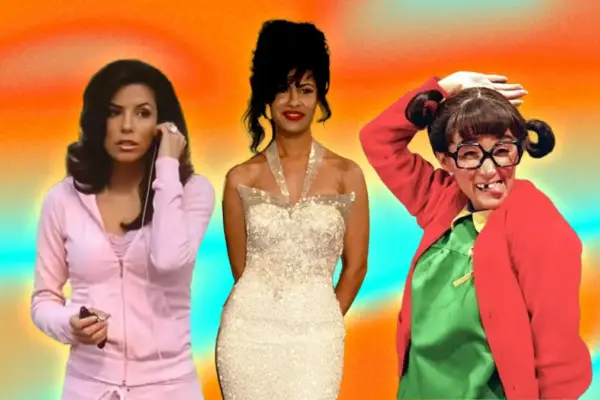
Growing up in New Jersey, the television screen served as a vibrant anchor to a world far beyond the suburban neighborhood. For many children of immigrants, telenovelas, weekend variety shows, and Spanish-language broadcasts offered more than simple entertainment—they provided a vital cultural bridge. Long before the era of targeted streaming algorithms and hyper-personalized content, the glowing television set in the corner of the living room connected families to their heritage, offering a shared language, familiar humor, and a collective sense of belonging even when the exact stories on screen did not mirror their specific backgrounds.
For a Dominican-American child coming of age in the Garden State, the backdrop of daily life was often defined by the sensory overlap of two cultures. Memories of youth are frequently intertwined not with solitary, monumental milestones, but with the steady hum of domestic routines. Dinner preparation in the kitchen frequently competed with the rapid-fire cadence of Spanish spoken through television speakers, the clatter of pots and pans, overlapping family conversations, and the occasional good-natured debate over channel selection. More often than not, the household dial settled firmly on Univision or Telemundo.
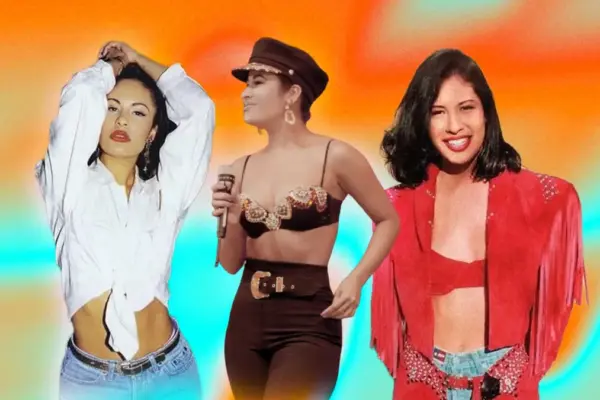
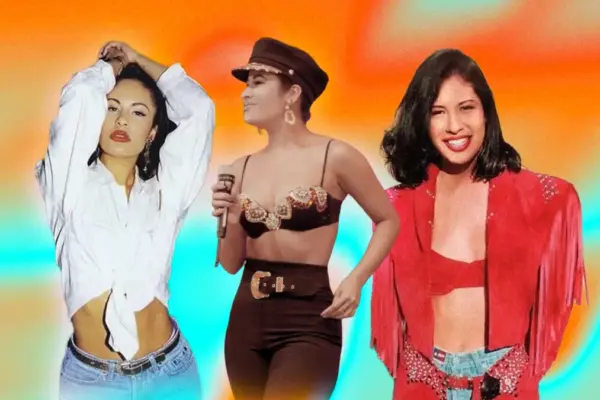
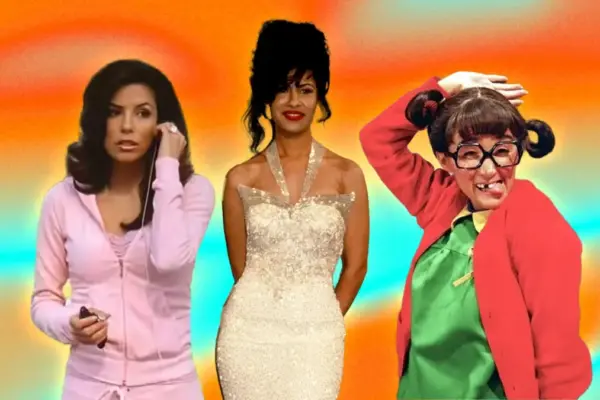
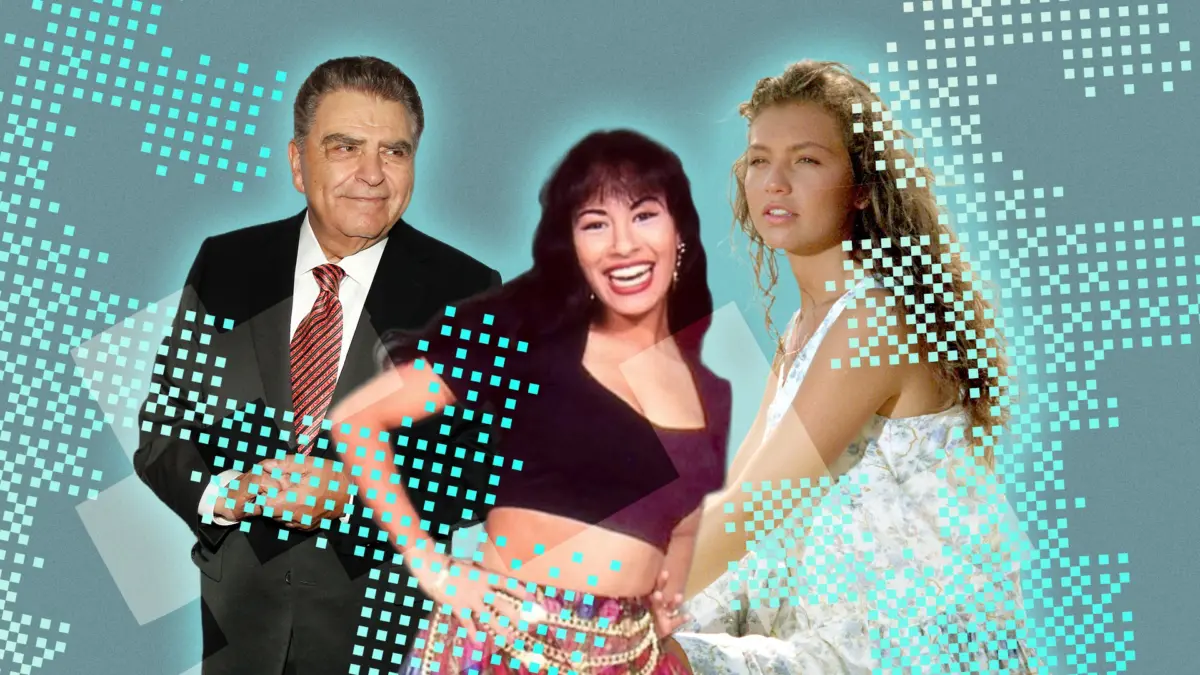
These broadcasts formed the soundtrack of home life. Iconic telenovelas like Marimar, starring Thalía and Eduardo Capetillo, captured the imaginations of young viewers, while weekend staples like Sábado Gigante hosted by Don Francisco were anticipated events that families looked forward to all week long. Viewers absorbed the music, fashion, and performances of artists like Selena, replaying interviews and music videos because the emotional resonance of those moments lingered long after the credits rolled.
Hearing Spanish spoken fluently and dynamically inside the home carried a profound weight. Even when the dramatic narratives unfolding on screen did not explicitly reflect a Dominican heritage, the underlying expressions, family dynamics, music, and larger-than-life personalities mirrored a cultural framework that was instinctively recognized.
Watching these programs was rarely a passive or quiet experience. A character’s questionable decision on Marimar would invariably elicit a sharp shake of the head from a mother, immediately followed by another family member calling out, "¡Te dije que eso iba a pasar!" Within moments, the room would erupt into a chorus of overlapping voices, laughter, gentle teasing, and playful arguments over who possessed the correct foresight.
This dynamic mirrored the exact energy found at traditional Dominican family gatherings, where adults laughed over shared history and debated everything from neighborhood gossip to the unfolding twists of a television plotline. Someone was always calling out from an adjacent room, and the boundaries of the conversation seamlessly encompassed everyone present. While the program itself may not have explicitly told a Dominican story, watching it collectively alongside family made the living room feel entirely like home.
Cultural resonance, as many first-generation Americans discover, does not always arrive through direct representation. Sometimes, it manifests simply through recognition. Marimar was a Mexican production, and Selena was a celebrated Mexican-American icon, yet their presence on screen validated a broader Latino identity that transcended national borders.
In the moment, these evening television rituals were rarely viewed as acts of cultural preservation. They were simply the ordinary routines of a kid growing up in New Jersey, passing the time with relatives. Decades later, however, those everyday occurrences reveal themselves as foundational lessons in identity and origin.
For countless immigrant families across the United States, broadcast media functioned as a crucial bridge linking the homeland left behind with the new environment where their children were developing. For Dominican households navigating life in America, Spanish-language television helped preserve language proficiency, musical appreciation, humor, and a tangible tie to the Caribbean while they built a future stateside.
This was the defining characteristic of appointment television. Families tuned in because a program was scheduled at a specific hour, and those shared viewings naturally bled into everyday family conversation. A young person could navigate the English-dominant world of school all day, only to return home to a living room immersed in Spanish. Growing up in New Jersey did not require choosing between a local American identity and a Caribbean heritage; through the medium of television, children could effortlessly inhabit both worlds at once.
Even today, hearing the familiar opening notes of Marimar can instantly evoke the sensory memories of those family evenings. Yet, the mechanics of how people consume media have undergone a fundamental transformation. The rigidity of broadcast schedules has given way to on-demand streaming, allowing individuals to watch programs independently whenever their schedules permit. When a modern viewer encounters something humorous or evocative of home, the method of sharing has shifted from a living room discussion to a quick clip or meme dropped into a family group chat.
While the underlying cultural connection remains robust, its physical manifestation has changed shape. During earlier decades, a telenovela storyline, a memorable musical performance on Sábado Gigante, or a popular song broadcast nationally would automatically become the next day’s universal family topic. Everyone had tuned in; therefore, everyone had an opinion. In the contemporary media landscape, characterized by endless choices and algorithm-driven feeds, audiences diverge into niche viewing habits, following different creators and consuming media through fragmented channels. Shared cultural touchstones have not vanished entirely, but they are no longer an automatic byproduct of a limited television dial.
Concurrently, the media ecosystem has empowered Latino creators to bypass traditional gatekeepers and build their own representation from the ground up. Today, a young Dominican kid in New Jersey can pick up a smartphone and instantly locate digital communities that reflect their exact lived experiences. That unprecedented access and creative autonomy represent a monumental shift for modern media consumers.
At the same time, a sense of nostalgia remains for the collective viewing experience of the past. Platforms have multiplied exponentially—expanding far beyond traditional telenovelas and variety shows to encompass TikTok, podcasts, YouTube, and prestige streaming networks—yet the fundamental human desire for connection persists. Audiences still seek out content that evokes the feeling of home and yearn to share those discoveries with the people who defined what home meant in the first place.
For those navigating life between multiple cultures, heritage is transmitted through far more than oral histories about ancestral homelands. It survives and thrives within language, culinary recipes, shared musical tastes, and the unscripted, ordinary moments spent in the company of loved ones.
For many, that cultural foundation is permanently etched into the memory of a television glowing brightly in a New Jersey living room, filling the house with the sounds of Spanish. What initially appeared to be mere evening entertainment ultimately proved to be a powerful formative force, defined not just by the content on the screen, but by the shared experience of watching it together.
As media consumption habits continue to evolve, audiences possess more avenues than ever to stay tethered to their cultural roots. The ongoing challenge lies in preserving the communal nature of those connections, ensuring that culture remains not merely something consumed in isolation, but something actively experienced, remembered, and passed down across generations.