





By Anna Ortega
September 24, 2026
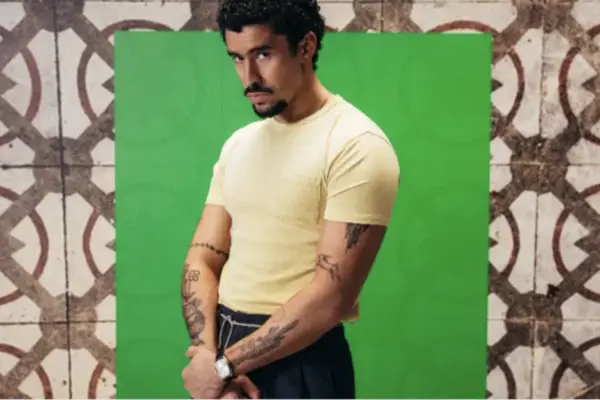
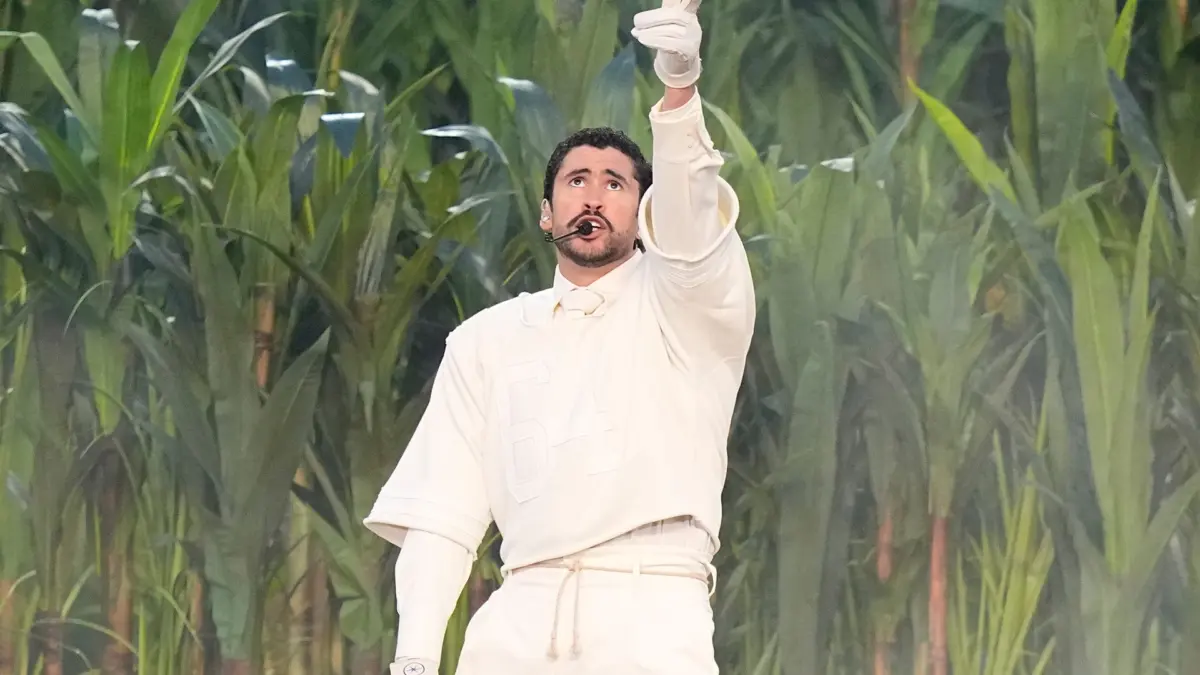
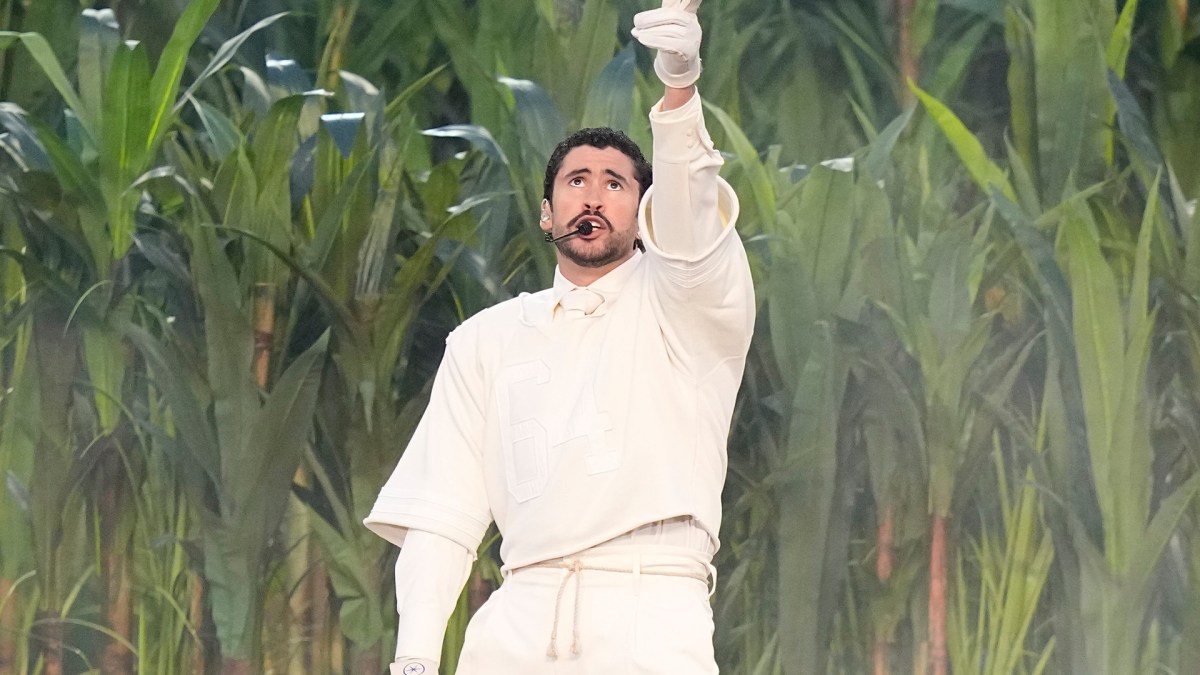
Bad Bunny has firmly established himself as one of the most culturally resonant and politically outspoken Latin American artists of his generation. Time and again, the Puerto Rican megastar has utilized his monumental musical platform and global reach to celebrate the rich heritage of his homeland while simultaneously shining a stark light on the complex socio-political realities, economic hardships, and historical challenges faced by those living on the island. Among his extensive catalog of fan-favorite tracks, the evocative song “LO QUE LE PASÓ A HAWAII” has consistently resonated deeply with listeners worldwide. Celebrated for its poignant exploration of themes such as forced displacement, cultural erasure, and the lingering scars of colonialism, the track serves as a powerful commentary on the vulnerability of island nations and marginalized cultures to outside exploitation. Now, that very same song is stepping out of the realm of mainstream streaming charts and directly into the high-stakes arena of international geopolitics, as the artist has officially cleared Brazilian President Luiz Inácio Lula da Silva to use the track in his latest political campaign advertisement.
President Luiz Inácio Lula da Silva’s newly released campaign ad, which premiered to the public on Wednesday, September 23, prominently features a specially adapted Portuguese-language version of Benito’s resonant hit. The primary message embedded within the advertisement is both direct and assertive, emphasizing that the sovereign destiny of Brazil—its present conditions and its future trajectory—should be decided exclusively by its own people, free from the heavy hand of international pressures, external lobbying, or foreign meddling. In a striking moment within the broadcasted spot, President Lula can be heard delivering a definitive statement to the electorate: “O Brasil tem um único dono: o povo Brasileiro,” which translates directly into English as, “Brazil has only one owner: the Brazilian people.” This powerful rhetorical framing draws a clear parallel between the themes of self-determination and cultural preservation championed in Bad Bunny’s music and the defensive political stance that Lula’s administration has consistently attempted to project on the global stage.
Throughout the course of his current presidential term, Lula da Silva has maintained a relentless focus on defending Brazil’s national sovereignty, territorial integrity, and vast natural resources against what his administration views as unwarranted foreign interference. This protective posture has been particularly pronounced in relation to diplomatic and economic pressures originating from the United States. Over the past couple of years, underlying political tensions have steadily brewed between Brasilia and Washington. These strains have been exacerbated by external trade policies, including economic measures and tariffs imposed on various Brazilian goods by the Trump administration, as well as high-profile diplomatic friction stemming from actions such as the invitation extended to Lula’s domestic political rival, Flavio Bolsonaro, for meetings inside the Oval Office. For an administration striving to project strength and national autonomy, incorporating a song that touches heavily on anti-colonialism and local self-reliance provides a potent cultural and political anchor for its messaging strategy.
The timing of this unexpected musical and political crossover follows closely on the heels of major international diplomatic engagements where President Lula made his administration’s foreign policy stances explicitly clear. Just recently, while addressing the global community at the United Nations General Assembly meetings in New York City, Lula delivered a sharp critique regarding foreign interference in the internal affairs of Latin American nations, including Brazil, though he refrained from explicitly naming specific superpowers during his address. In a particularly memorable line from his speech that resonated widely across international media outlets, the Brazilian leader declared that “Brazil doesn’t belong in anyone’s backyard.” By rejecting the historical framing of Latin America as the subordinate sphere of influence of any foreign power, Lula has sought to rally domestic support by casting his administration as the steadfast guardian of national dignity. The integration of Bad Bunny’s anti-colonial anthem into his campaign collateral serves to amplify this very sentiment, bridging the gap between contemporary pop culture and traditional statecraft.
For observers of both Latin American politics and the modern music industry, this unexpected collaboration between a progressive South American head of state and one of the world’s biggest reggaeton artists represents a fascinating cultural intersection. While an alliance between a veteran statesman and a contemporary Caribbean music icon is certainly not something standard political analysts anticipated seeing on the horizon, it highlights the increasingly globalized nature of political communication and the ways in which popular art forms can be leveraged to articulate complex geopolitical arguments. As the debate over Brazil’s national sovereignty, economic independence, and place in the shifting international order continues to unfold ahead of upcoming electoral milestones, the integration of “LO QUE LE PASÓ A HAWAII” into the national conversation demonstrates how deeply artistic expressions of resistance and cultural preservation can ripple outward, ultimately shaping political discourse far beyond the borders of where they were originally created.