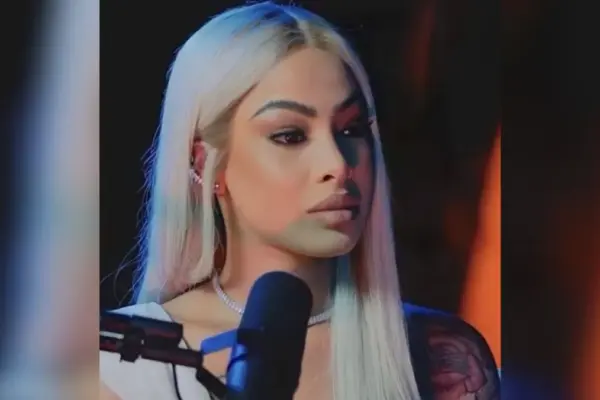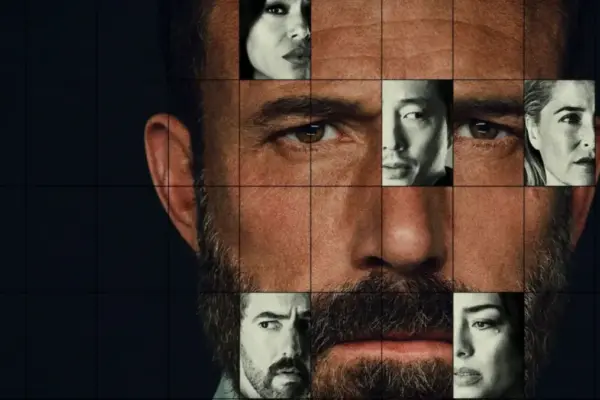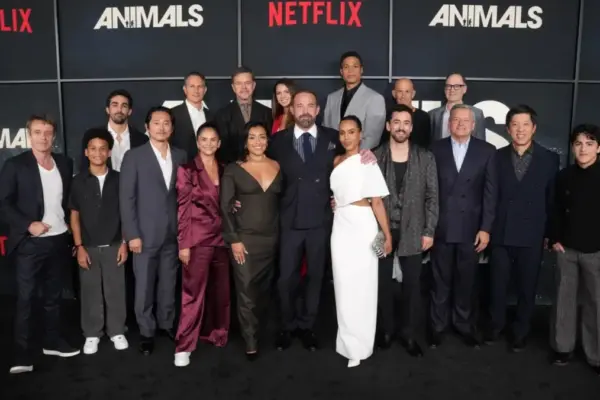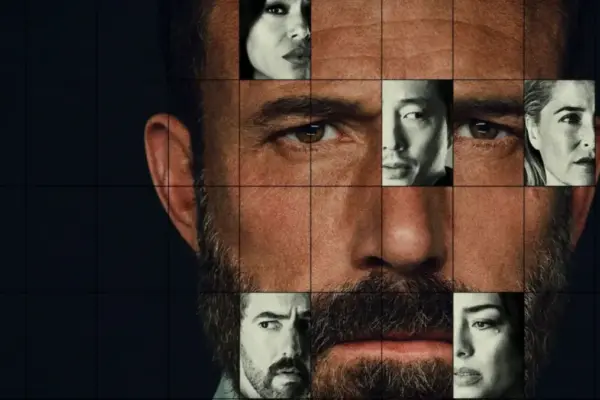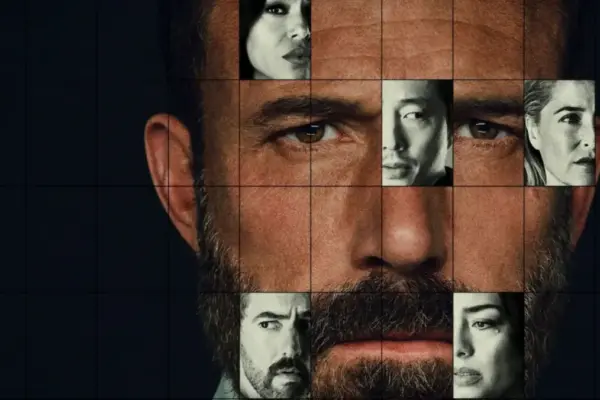

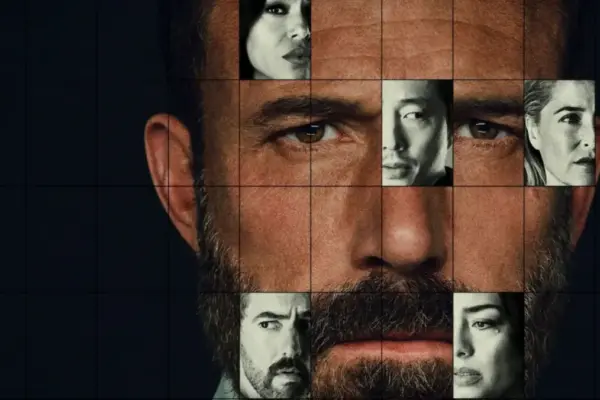








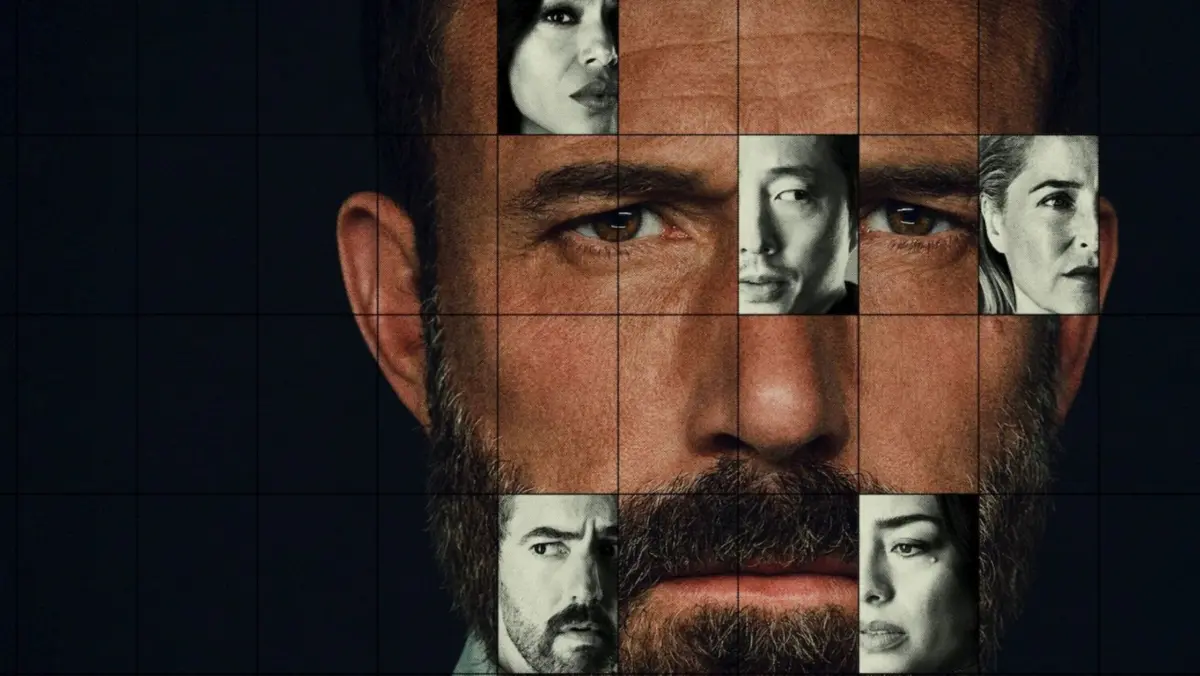
In a candid and deeply personal conversation with veteran journalist Jorge Ramos, Academy Award-winning filmmaker and actor Ben Affleck opened up about the making of his latest directorial project, the Netflix crime thriller Animals. Speaking on Ramos’s digital show Así Veo Las Cosas, Affleck discussed how the complex realities of contemporary American immigration policy directly impacted the production of the film in Los Angeles. The project, which stars Mexican actors Adriana Paz and Luis Gerardo Méndez alongside a high-profile ensemble cast, evolved far beyond a standard cinematic thriller into a reflection of the socio-political landscape of the United States.
Affleck made it clear during the interview that Animals was never intended to be a detached creative exercise. Drawing a direct line between his own family history and the broader national narrative, Affleck told Ramos that the United States is fundamentally a country of immigrants. He emphasized that his own lineage and background heavily influenced his perspective, arguing that the struggles and experiences of the film’s Mexican characters, Luis and Adriana, mirror the larger narrative of America itself. This perspective served as the core driving force behind every directorial choice Affleck made, steering the project through high-stakes territory at a time of intense polarization over immigration.
He Knew Making This Film Was a Risk and He Made It Anyway
From its inception, Affleck understood that centering a narrative around the dignity, agency, and humanity of immigrant characters would carry significant risks in the current socio-political environment. Rather than shying away from controversy, the filmmaker deliberately chose to confront the subject head-on, believing that the urgency of the moment demanded a socially conscious approach to storytelling.
Affleck explained to Ramos that his primary objective was to ensure that immigrant characters were portrayed as autonomous individuals with full dignity, rather than serving merely as peripheral background figures or props in someone else’s story. He noted that the pressing nature of the current cultural and political climate made it impossible to ignore the profound responsibility that comes with having a prominent platform and the financial backing to bring such stories to a global audience.
Furthermore, Affleck addressed long-standing industry biases regarding English-language audiences and a perceived resistance to subtitles. For decades, traditional Hollywood calculus has operated under the assumption that mainstream domestic viewers will disengage from productions that require reading subtitles. Affleck actively pushed back against this commercial calculation, asserting that the social relevance of the narrative and the imperative to represent the immigrant experience with absolute honesty far outweighed conventional box-office anxieties. By refusing to water down the script for commercial palatability, Affleck staked his artistic vision on the audience’s willingness to engage with authentic, multilingual storytelling.
ICE Was Operating on His Filming Locations and the Script Was Playing Out in Real Life
The production schedule for Animals in Los Angeles intersected with real-world events in a manner that Affleck described as both extraordinary and surreal. Against the backdrop of an ongoing national debate surrounding U.S. immigration enforcement, the film crew encountered sudden disruptions when Immigration and Customs Enforcement (ICE) operations unfolded directly in the neighborhoods where they were shooting.
On multiple occasions, production had to be temporarily suspended as immigration enforcement activities took place nearby. Affleck described the experience of watching the dramatic conflicts written into his script play out in real time right outside the camera’s lens as a stark collision between fiction and reality. This surreal overlap did not merely inconvenience the production schedule; instead, it fundamentally sharpened Affleck’s understanding of the urgency and gravity of the story he was bringing to the screen.
This charged environment elevated the stakes for everyone involved, reinforcing Affleck’s commitment to authenticity. Recognizing the limits of his own perspective, Affleck took the extraordinary step of handing creative control over to his Mexican cast members. He invited Adriana Paz and Luis Gerardo Méndez to take the pen and write their own dialogue, ensuring that the conversations depicted on screen reflected genuine cultural cadence and lived experiences rather than superficial Hollywood approximations.
He Said This Is a Country of Immigrants and His Family Proves It
Affleck’s deep-seated connection to the theme of immigration extends far beyond professional interest; it forms a cornerstone of his personal worldview. During his discussion with Ramos, he reiterated that his own people and family are immigrants, reinforcing the idea that the struggles of the characters in Animals are fundamentally tied to the historical foundation of the United States. He framed the nation as a collective project shaped by generations of individuals who arrived from foreign shores to build their lives, labor, and futures within its borders.
This thematic gravity is matched by the impressive scale and collaborative nature of the production. Animals was produced in association with Artists Equity, the independent studio Affleck co-founded alongside longtime collaborator Matt Damon. The film features a diverse, star-studded ensemble cast that includes Kerry Washington, Gillian Anderson, Steven Yeun, and Ray Fisher, performing alongside Paz and Méndez. Affleck entered production fully aware that the film would drop directly into a highly charged national conversation, making the personal stakes high for millions of viewers. Animals is currently streaming worldwide on Netflix.