




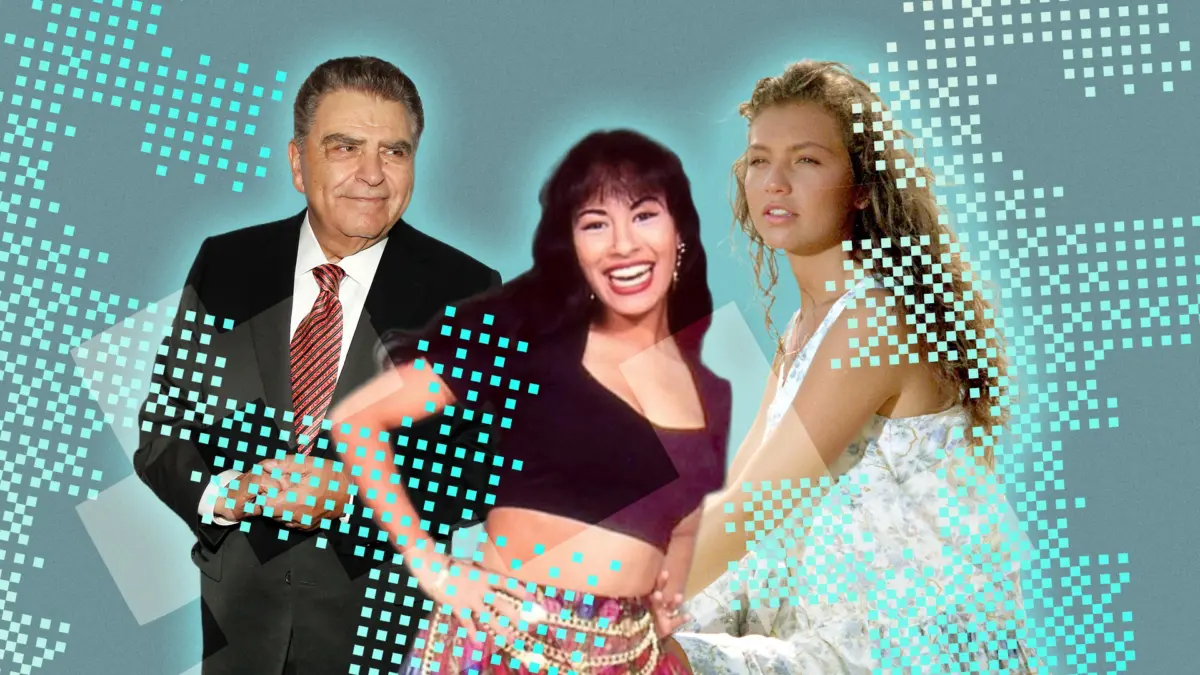
Growing up in New Jersey, telenovelas and variety shows served as a vital cultural anchor, connecting first-generation children to their families and heritage even when those broadcasts did not tell their exact stories.
When reflecting on a childhood spent growing up Dominican in the suburban landscape of New Jersey, the most profound memories are rarely the grand milestones. Instead, they are the quiet, everyday scenes—most notably, the television glowing in the corner of the room while dinner was being prepared in the kitchen. Spanish floated through the air, competing with the rhythmic clatter of pots and pans, overlapping family conversations, and the occasional good-natured argument over who got to choose the evening channel. More often than not, the battle lines were drawn between Univision and Telemundo, the twin pillars of Spanish-language broadcasting in the United States.
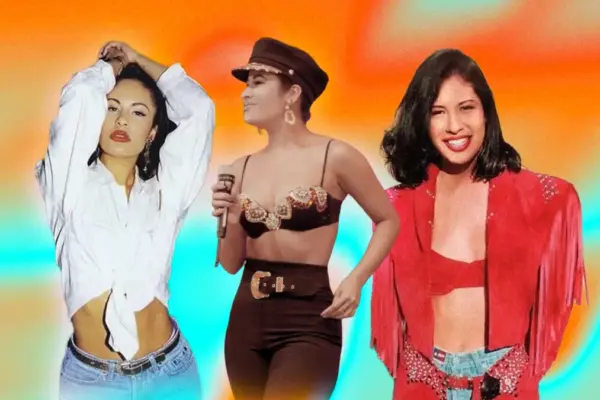
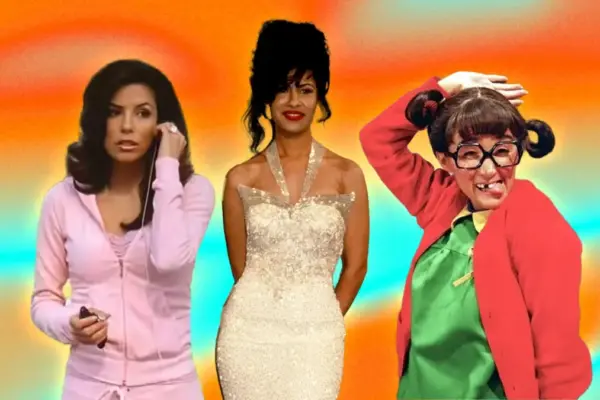
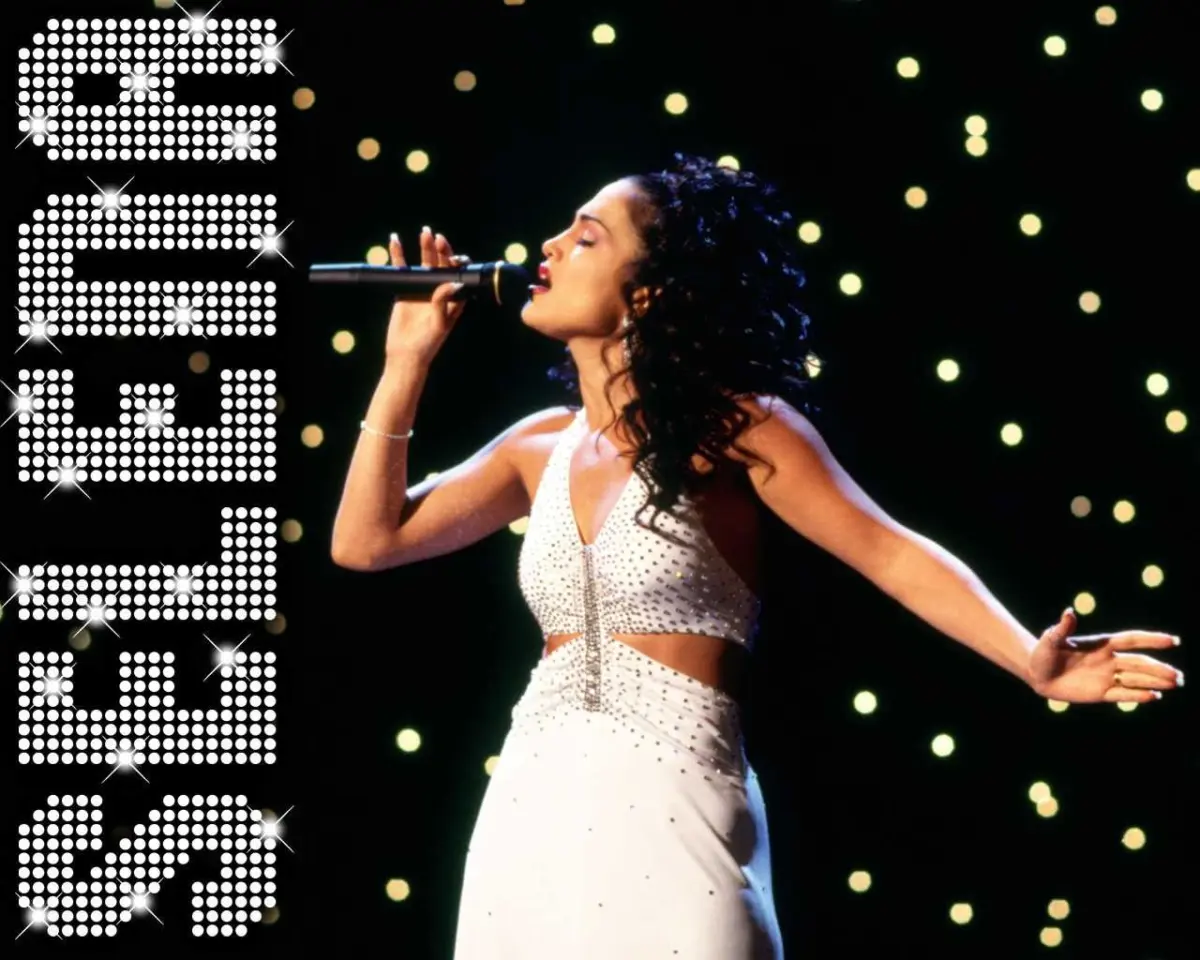
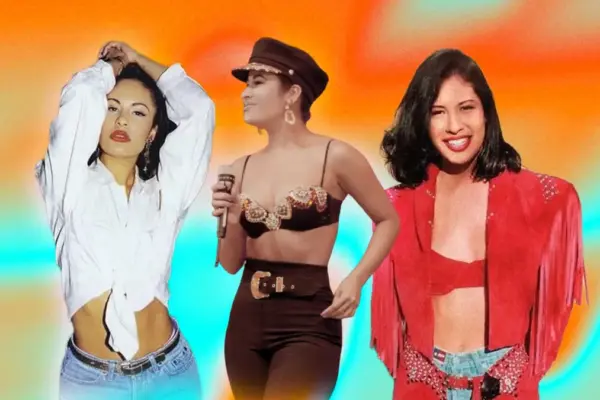
Those glowing screens delivered a steady stream of iconic programming that came to define an era. There was Marimar, the classic melodramatic telenovela starring Thalía and Eduardo Capetillo, which served as an early introduction to television fandom. Weekends brought the unstoppable cultural juggernaut of Sábado Gigante hosted by Don Francisco, a program that families looked forward to all week long. Then there was the magnetic presence of Selena, whose performances, interviews, and music videos were replayed endlessly on home VCRs because immigrant households never seemed ready to let those transcendent moments go.
There was something undeniably powerful about hearing the Spanish language spoken freely and passionately inside a home away from home. Even when the plotlines of a given drama weren’t specifically Dominican, they still felt intimately familiar. The nuances of expression, the intricate family dynamics, the distinctive music, the sharp humor, and the larger-than-life personalities all reflected pieces of a broader Hispanic culture that children of immigrants instinctively recognized and embraced.
Watching Marimar alongside family members was never a quiet, passive experience. A mother might shake her head in disbelief at a character’s catastrophic decision, prompting another family member to immediately chime in with an emphatic, "¡Te dije que eso iba a pasar!" Within seconds, the living room would fill with a cacophony of overlapping voices, echoing laughter, gentle teasing, and spirited debates over who was right and who was wrong.
It was the exact same social energy that defined traditional Dominican family gatherings, where adults laughed uproariously at decades-old stories and debated everything from neighborhood gossip to the latest plot twists happening on television. Someone was always calling out from another room, and somehow, the entire household was pulled into the conversation. While the broadcast might not have mirrored the precise contours of a Dominican-American upbringing in the Garden State, watching it shoulder-to-shoulder with family instantly transformed any living room into home.
Marimar was fundamentally a Mexican production, and Selena was a Mexican-American icon, yet cultural resonance does not always require direct, literal representation. Sometimes, belonging is established purely through emotional recognition and shared human experience.
At the time, those evenings were rarely viewed through the lens of cultural preservation. To a kid growing up navigating the dual identities of being American by birth and Dominican by heritage, it was simply television time shared with family. Decades later, however, the realization sets in that those ordinary, routine moments were quietly teaching young people who they were and where their families came from.
For millions of immigrant families across the United States, broadcast media functioned as far more than mere evening entertainment. It acted as an essential bridge spanning the vast chasm between the homeland parents left behind and the foreign culture their children were navigating at school and on the streets. For Dominican households striving to put down roots, television helped preserve language proficiency, musical tastes, cultural humor, and a visceral connection to the islands while simultaneously building a stable life in America.
That was the unique magic of appointment television. Families tuned in simply because a show was scheduled to air at a specific hour, and those programs organically embedded themselves into household conversations because everyone had experienced them together. A child could speak fluent English in the hallways of a New Jersey public school, and then return home to a living room completely enveloped in Spanish. They were growing up as proud New Jerseyans while continuously seeing vibrant pieces of Latin America and the Caribbean reflected on the family screen. There was no forced choice between being Dominican and being from New Jersey—they could seamlessly be both.
Even today, hearing the opening notes of the Marimar theme song instantly evokes vivid memories of those evenings spent with family. Yet, the mechanics of how television is consumed have shifted dramatically. Modern audiences no longer wait anxiously for a designated broadcast hour, nor do they necessarily crowd around a single living room television to negotiate what everyone is going to watch. Today’s media landscape relies on on-demand streaming, allowing individuals to consume content privately whenever time permits. When something on a screen today triggers a laugh or stirs a memory of home, it is rarely discussed across the dinner table in real-time; instead, it is shared digitally through a quick video clip or a meme in a family group chat.
The underlying emotional connection remains robust, but its physical shape has fundamentally transformed. In earlier decades, a telenovela, a musical performance on Sábado Gigante, or a pop song on a variety hour would automatically become the default family conversation the very next day because everyone had watched it. Today, with an infinite array of viewing choices and highly personalized digital feeds, families may watch entirely different programs, follow different digital creators, and encounter culture through completely divergent pathways. Shared cultural touchstones have not vanished entirely, but they have undeniably become less automatic.
Concurrently, contemporary Latino creators are no longer waiting patiently for mainstream networks to grant them adequate representation; they are actively building that representation themselves across digital landscapes. A young Dominican kid in New Jersey can now open a smartphone and instantly tap into a sprawling, global community that directly mirrors their specific lived experiences. That unprecedented access and creative freedom represent a monumental leap forward.
Yet, a lingering nostalgia remains for the collective viewing experience of the past.
As digital platforms continue to expand—evolving from traditional telenovelas and variety blocks into TikTok feeds, independent podcasts, YouTube channels, and subscription streaming services—the fundamental human desire for shared cultural connection has not wavered. People still yearn to encounter content that evokes the feeling of home and to share those discoveries with the very people who defined what home meant in the formative years of their lives.
For those who grow up straddling two distinct worlds, cultural heritage is passed down through much more than historical narratives about ancestral homelands. It lives on dynamically in language, traditional recipes, rhythm, music, and the ordinary, unscripted moments families spend in each other’s company.
Ultimately, that heritage endures in the cherished memory of a television set glowing softly in a New Jersey living room, filling the house with the sounds of Spanish. What once felt like simple evening entertainment is now recognized as a foundational force. The true power of those broadcasts was not merely found in the stories appearing on the screen, but in the simple act of watching them together as a family.