









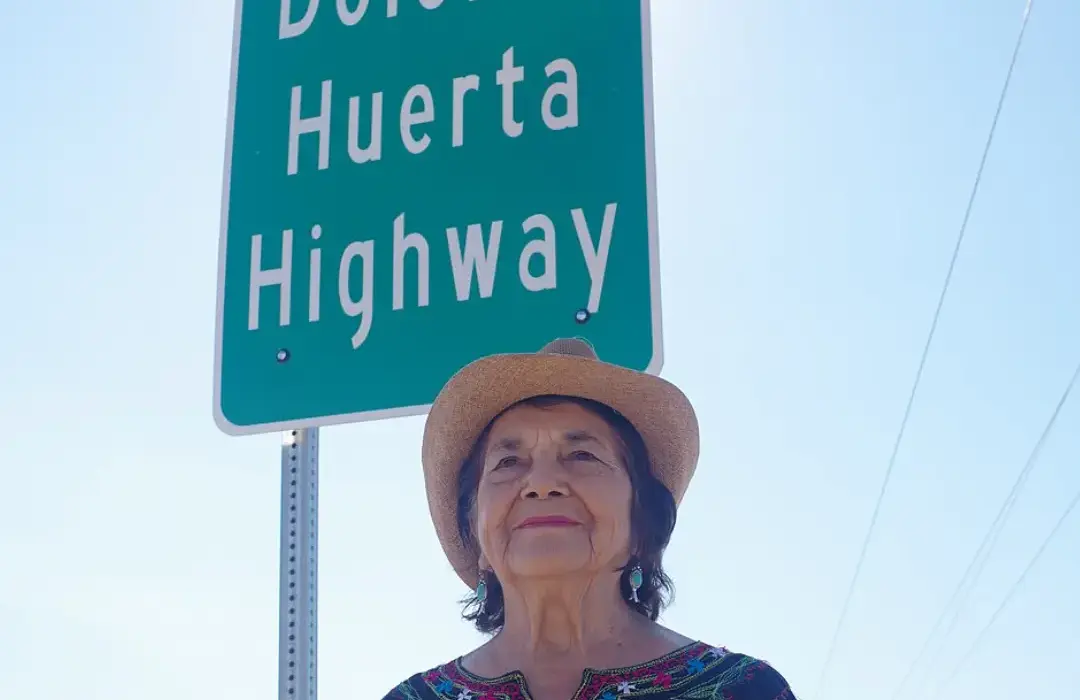
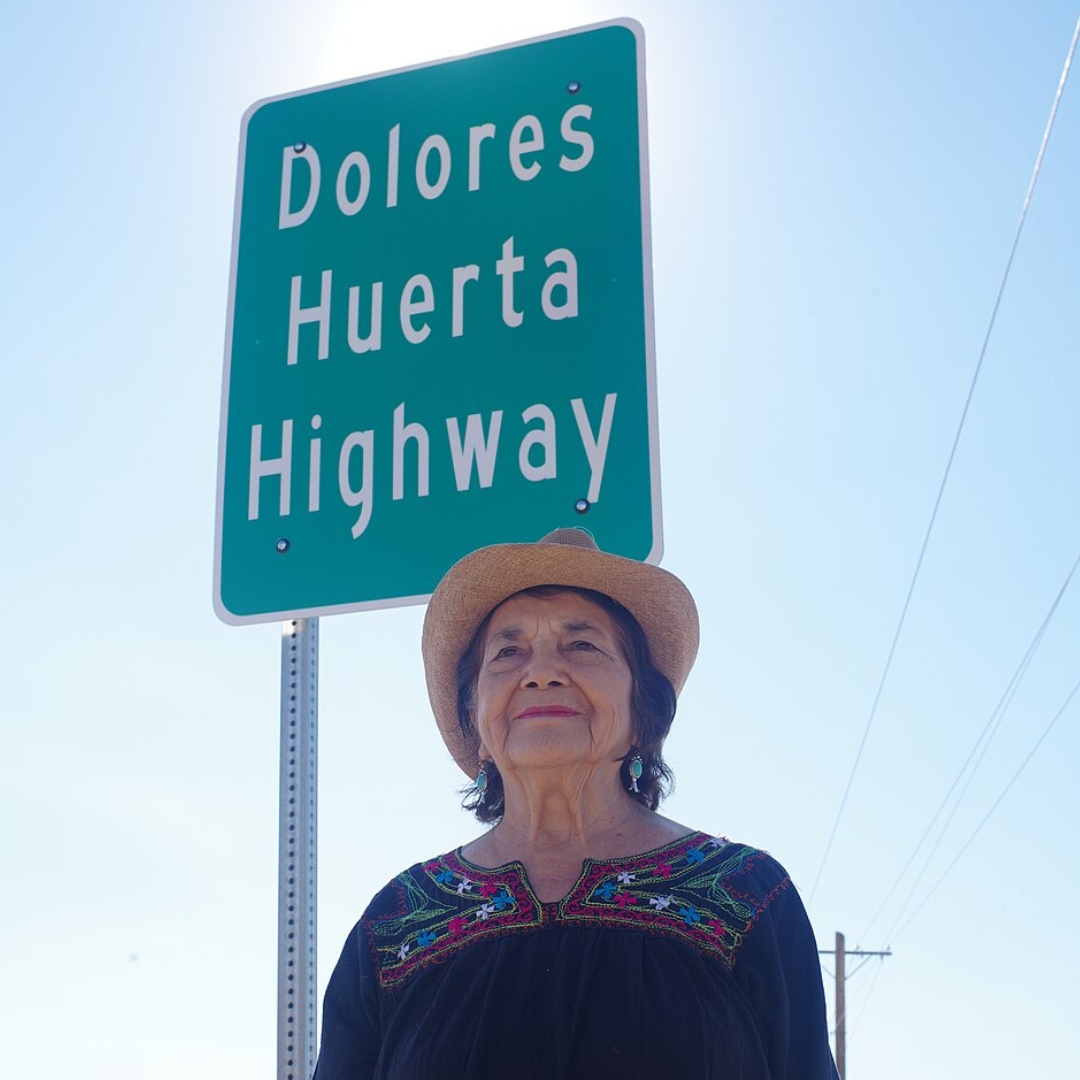
Dolores Huerta spent her entire life challenging conventional ideas about power. As a pioneering labor organizer, a skilled negotiator, and an unwavering civil rights advocate, she fundamentally transformed the relationship between vulnerable agricultural workers and some of the most powerful corporate businesses in California and across the United States.
Beyond the historic contracts, the legislative victories, and the hard-fought policy reforms that defined her decades on the front lines of social justice, Huerta—who passed away on October 28 at the remarkable age of 96—leaves behind something equally significant for future generations: a philosophy of leadership deeply rooted in empowering others, building powerful coalitions, and creating systemic change that lasts long after the picket lines have cleared.
Her remarkable career offers vital lessons that remain profoundly relevant to leaders across industries, cultures, and generations who seek to make a meaningful difference in a complex world.
Build Power in Others, Not Just for Yourself
For Huerta, true leadership was never about accumulating personal influence or seeking the spotlight. Instead, it was always about helping ordinary people recognize, embrace, and exercise their own inherent power.
In a reflective 2017 interview with Arizona PBS, she discussed how she measured her ultimate success as an organizer. Rather than counting strikes won or contracts signed, she measured her success through the number of everyday people she had helped cultivate into leaders in their own right.
That core philosophy shaped her decades of grassroots organizing, where developing community leadership was consistently treated as just as important as achieving immediate victories in the fields or at the negotiating table. Her approach directly challenges a familiar and outdated assumption in modern corporate and political life: the idea that effective leadership requires concentrating authority strictly at the top. Huerta demonstrated time and time again that sometimes the greatest measure of true influence is simply how many people can lead effectively without you needing to be in the room.
Know How to Turn Influence Into Leverage
When agricultural workers first began their historic strikes in Delano, California, in 1965, they faced an enormous, seemingly insurmountable imbalance of economic and political power. Growers held the land, the capital, and the traditional backing of political institutions, leaving farmworkers vulnerable to exploitation and poverty.
Huerta helped radically change that equation.
By strategically organizing nationwide consumer boycotts, she and her fellow labor organizers expanded what started as a localized labor dispute into a massive, highly visible national movement. Consumers, college students, religious organizations, and entire communities across the country became active participants in a coordinated campaign that placed intense economic and reputational pressure on agricultural producers.
This sophisticated strategy directly contributed to landmark labor agreements, including a groundbreaking 1966 contract with Schenley Industries and subsequent historic agreements with major California grape growers. Huerta understood inherently that having moral influence alone was never enough to shift entrenched power dynamics. Meaningful, lasting change required the discipline and strategy to turn collective public support into tangible negotiating power.
Don’t Just Win Battles. Change the System.
Negotiating better wages and improved working contracts was a major, life-changing achievement for farmworkers struggling to survive. However, Huerta recognized early on that true, lasting progress required something much more permanent than a temporary handshake across a bargaining table.
She was instrumental in helping advocate for and shape California’s historic Agricultural Labor Relations Act of 1975. This monumental piece of legislation established formal collective bargaining protections for agricultural workers for the first time in state history and created a robust legal framework for enforcing those fundamental rights.
The legislation represented a profound shift away from isolated individual labor victories toward deep institutional change. It is a vital distinction that applies far beyond the realm of labor organizing. Solving an immediate, acute problem matters immensely, but transforming the underlying conditions that allowed that problem to exist in the first place can have an exponentially greater impact on society. Effective leaders do not simply deliver temporary results; they build resilient systems that make human progress sustainable over the long term.
Build a Legacy That Doesn’t Depend on You
Huerta’s unwavering commitment to developing new leaders continued long after the most prominent headlines of the farmworkers’ movement had faded from the daily news.
Through the establishment of the Dolores Huerta Foundation in the early 2000s, she significantly expanded her lifelong work in grassroots organizing, civic engagement, and community leadership development. Rather than resting on her laurels or defining her legacy solely through the historic accomplishments of her youth, she chose to invest her energy in helping new generations of youth and community members organize and advocate effectively for themselves.
Her remarkable example offers a powerful and enduring perspective on succession and institutional continuity. Leadership becomes far more enduring and impactful when knowledge, responsibility, and opportunity are actively passed forward rather than guarded. A true legacy is not simply defined by what an individual achieves during their own lifetime, but rather by what others are empowered and inspired to accomplish long after they are gone.
Throughout her extraordinary life, Dolores Huerta did not merely challenge those who held traditional power. She helped countless everyday people discover, organize, and proudly exercise power of their own. And that, above all else, remains the most vital lesson of her enduring leadership.