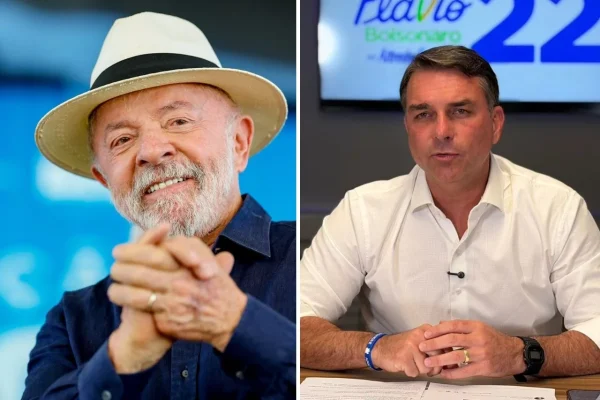








Flávio Bolsonaro’s unexpected and surprising victory over incumbent President Luiz Inácio “Lula” da Silva in the first round of Brazil’s high-stakes presidential election has triggered a massive wave of political reactions across the globe. Foreign leaders, regional allies, and ideological counterparts from Latin America and beyond have rushed to weigh in on the outcome, which fundamentally reshapes the political landscape of South America’s largest economy as both candidates gear up for a fiercely contested runoff vote.
The first round of voting yielded results that caught pollsters, analysts, and the ruling administration completely off guard. With 98.36% of the ballot boxes counted, Flávio Bolsonaro secured 47.3% of the vote, narrowly outpacing the incumbent president, who gathered 44.83%. The margin, while close, was enough to deny Lula the outright majority he needed to avoid a second round, sending the two rivals into an intense three-week sprint toward the decisive election scheduled for October 25.
Speaking to a gathering of disappointed supporters late Sunday night, the center-left veteran openly acknowledged the unexpected outcome. Lula admitted that the results did not align with his campaign’s projections, describing the numbers as an unexpected turn of events.
“We did not achieve everything we wanted, but even so I was convinced that we were going to win,” Lula confessed to the crowd, while immediately vowing to restart his campaign machinery the very next morning to secure victory in the upcoming runoff.
During his address, the three-time president and leader of the Workers’ Party launched sharp criticisms against his right-wing challenger. He characterized Flávio Bolsonaro as a figure bearing a dark biography and murky political ties, warning his base that the upcoming runoff would serve as a crucial turning point that dictates the long-term political trajectory of Brazil. Looking ahead to the final stretch of the campaign, Lula reiterated his core platform promises, pledging to strengthen local industrial sectors and drive national social well-being through expanded access to education and higher learning institutions.
Meanwhile, a contrasting scene played out in Brasília, where Flávio Bolsonaro celebrated his first-round performance outside his home. Surrounded by enthusiastic supporters and members of the press, the senator—who is the son of imprisoned former President Jair Bolsonaro, who governed from 2018 to 2022—expressed deep satisfaction with the electoral outcome. Speaking as the official candidate of the Liberal Party, Bolsonaro told the crowd that he was very happy with the numbers delivered by the electorate.
“Brazil wants a change; that is the reading of what happened today,” Bolsonaro declared, framing his strong showing as a definitive mandate from a populace eager for a shift in national leadership.
Milei Celebrates
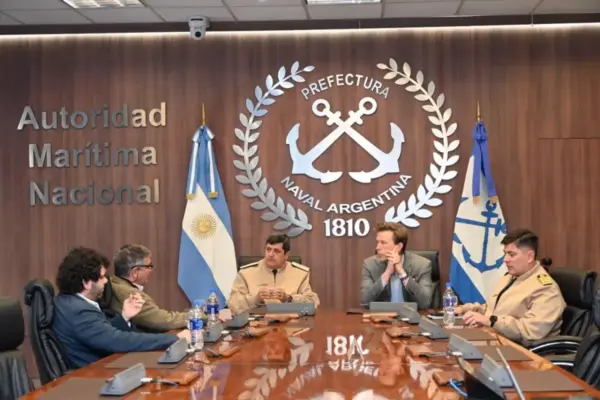
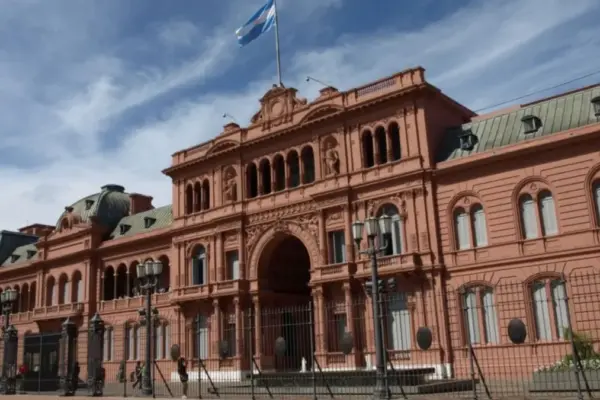
The reverberations of Bolsonaro’s first-round triumph were felt immediately across international borders, with neighboring Argentina emerging as a primary focal point for regional political reactions. Argentine President Javier Milei, who has maintained a publicly close relationship with the Brazilian conservative movement and openly backed the Bolsonaro family, was among the very first foreign heads of state to react to the news.
Taking to social media platform X, Milei extended warm congratulations to the Brazilian senator, praising what he hailed as a historic election performance against Lula, whom the Argentine leader pointedly labeled a communist.
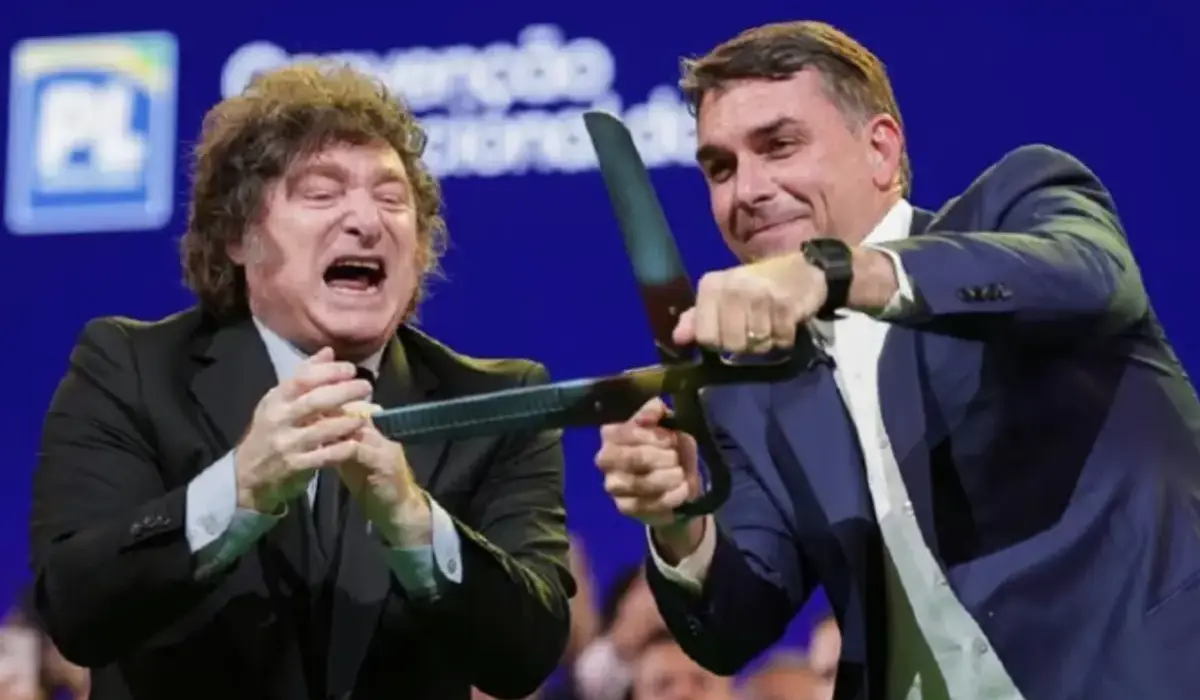
“Freedom is advancing in Brazil. The American continent belongs to citizens who want to live in freedom,” Milei wrote, accompanying his message with a photograph of himself alongside Bolsonaro.
The Argentine president also used the moment to signal his hopes for future bilateral cooperation, expressing a strong desire to collaborate closely with Brazil should Bolsonaro emerge victorious in the October runoff. Milei emphasized the immense economic and cultural potential shared by the two neighboring nations, noting his hope that both governments could soon begin working together to cement Argentina and Brazil as major commercial, cultural, and political allies. According to Milei, the opportunities for both nations working in tandem are infinite.
True to form, Milei concluded his public statement with his signature catchphrase: “Long live freedom, damn it.”
The Argentine political sphere saw a broader division of opinions following the vote. Senator Patricia Bullrich echoed Milei’s enthusiasm, stating that Argentina and Brazil now share a historic opportunity to foster greater bilateral trade, boost investments, and generate employment opportunities across both countries. Echoing similar sentiments, Chamber of Deputies President Martín Menem described the Brazilian election results as an encouraging sign that the ideas of freedom are gaining renewed momentum throughout the region.
Conversely, prominent progressive and Peronist figures in Argentina voiced unwavering solidarity with the incumbent Brazilian leader. Juan Grabois, a notable Peronist leader from the Patria Grande movement, took to X to rally support for the Brazilian president.
“Come on Lula! Win or lose, we are always with you and with the homeland we share,” Grabois wrote.
Socialist lawmaker Esteban Paulón also chimed in to encourage the Brazilian left ahead of the second round, tweeting that a new campaign and election cycle would begin immediately. He urged supporters to throw their weight behind Lula for the intense three weeks of campaigning ahead, calling on his followers to push for a final victory.
Reactions Across the Region and Beyond
While international commentary poured in from various corners of the globe, the official response from Washington remained notably measured. United States President Donald Trump, who had previously expressed support for Flávio Bolsonaro and noted that he was monitoring the Brazilian electoral process very closely, had not yet issued an official comment regarding the first-round outcome as of late Sunday.
Despite the silence from the White House, prominent center and right-wing political figures across the Americas were quick to congratulate the Liberal Party candidate on his momentum. In Venezuela, opposition leader María Corina Machado characterized the voting day as an exemplary democratic exercise. Writing on social media, Machado stated that citizens across Latin America fundamentally desire freedom, democracy, prosperity, and justice, arguing that Brazil’s political direction will play a decisive role in shaping the broader future of the entire region.
In Colombia, President Abelardo de la Espriella made his ideological alignment clear by offering enthusiastic backing to the Brazilian senator. Declaring that his heart is with Brazil, de la Espriella posted that true political change requires defeating the left. He concluded his message by sending a big hug and labeling Bolsonaro a friend.
Reactions also stretched beyond the Western Hemisphere to the Middle East. Israeli Prime Minister Benjamin Netanyahu extended his congratulations to Flávio Bolsonaro via social media, acknowledging the strong showing at the polls and offering words of encouragement for the final electoral showdown.
“Congratulations, Flávio Bolsonaro, on yesterday’s vote and good luck in the final,” Netanyahu wrote on X, adding that he looks forward to restoring the extraordinary friendship that once existed between Israel and Brazil.
With the first round now firmly in the rearview mirror, Brazil’s two leading presidential contenders face a compressed and high-intensity campaign window. Both campaigns have exactly three weeks to recalibrate their strategies, rally their respective bases, and court undecided voters before the October 25 runoff. What initially projected to be a more straightforward or predictable contest has instead transformed into a fiercely fought electoral battle that will ultimately decide the political and economic course of Brazil for years to come.