
Growing up as a first-generation Dominican American in New Jersey, the cultural compass of home was rarely pointed toward a single geographic coordinate. Instead, it was shaped by the steady glow of a television set in the corner of the room, broadcasting a world of Spanish-language telenovelas and variety shows that served as a vital link to a heritage left behind.
When reflecting on those formative years, the most enduring memories are rarely the monumental milestones. They are the sensory details of ordinary evenings: the aroma of dinner preparation floating from the kitchen, the clatter of pots and pans, the rise and fall of family conversations, and the inevitable debate over who would control the household remote. More often than not, the battle lines were drawn between Univision and Telemundo, networks that served as the default soundtrack and visual backdrop of domestic life.
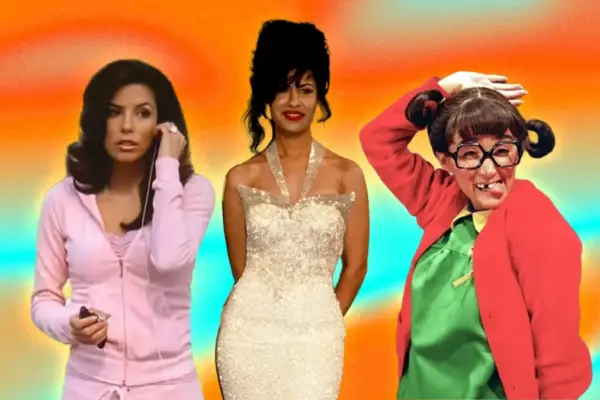
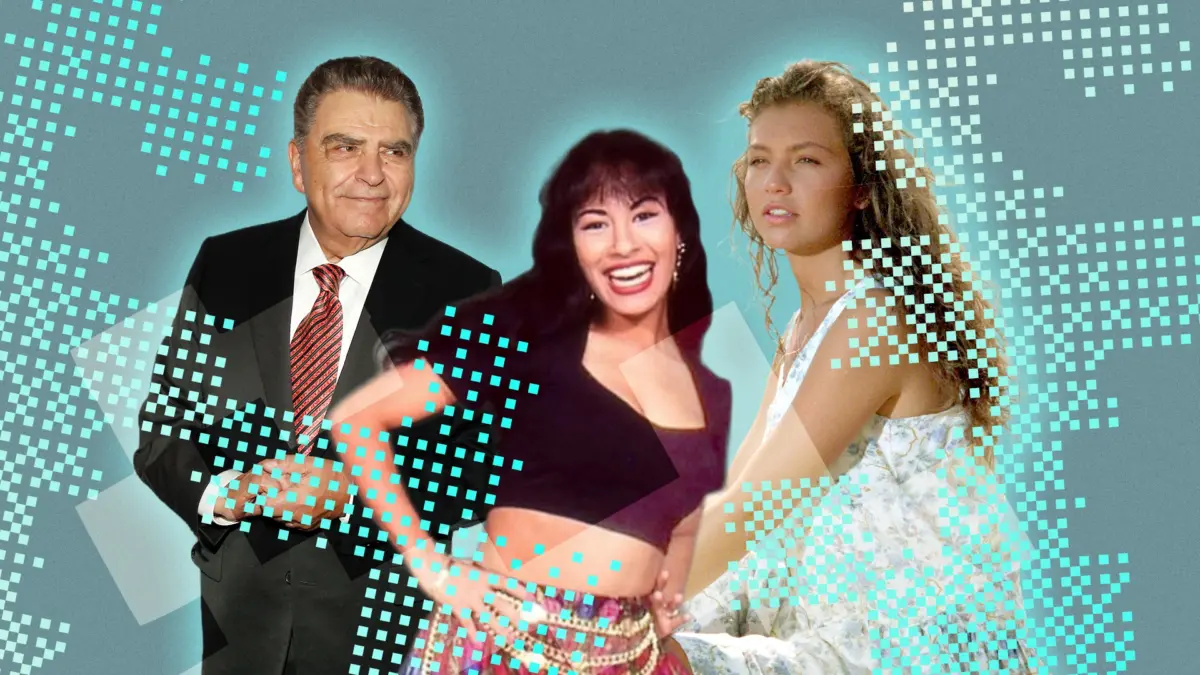
Those broadcasts introduced a generation of children to iconic figures who became household names across the diaspora. There was Marimar, the classic melodrama starring Thalía and Eduardo Capetillo, which offered many young viewers their first television crush. There were the anticipated weekend rituals anchored by Sábado Gigante and its legendary host, Don Francisco, a program families planned their Saturdays around. There were the mesmerizing performances of Selena, whose music videos and interviews were replayed endlessly by households seemingly never ready to let those fleeting, tragic moments go.
For immigrant families navigating the often jarring transition to life in the United States, hearing Spanish spoken through the television speakers held a profound, quiet power. Even when the specific plots of the programs did not mirror the exact realities of a Dominican household in New Jersey, the underlying emotional architecture felt instantly familiar. The idioms, the complex family dynamics, the distinct brand of humor, and the larger-than-life personalities reflected pieces of a shared cultural identity that viewers recognized by instinct.
Watching a telenovela like Marimar was never a solitary or quiet affair. A mother might shake her head in exasperation at a character’s predictable misstep, prompting an immediate chorus from the living room couch: "¡Te dije que eso iba a pasar!" Within moments, the room would fill with overlapping voices, teasing laughter, good-natured arguments, and commentary on who was right and who was wrong.
This vibrant communal energy mirrored the atmosphere of traditional Dominican family gatherings, where adults routinely debated everything from the latest neighborhood gossip to the unfolding drama on the screen. Someone was always calling out from another room, and somehow, the entire household was drawn into the conversation. The television show did not have to tell a explicitly Dominican story; watching it alongside family provided an immediate sense of belonging and familiarity.
Marimar was a Mexican production, and Selena was a Mexican American icon. Yet, culture does not always demand direct representation to resonate deeply. Often, cultural connection is forged through the simple act of recognition—identifying shared values, emotional expressions, and communal bonds across different national origins within the broader Latino umbrella.
At the time, these evening rituals were rarely viewed through the analytical lens of cultural preservation. To a kid growing up in suburban New Jersey, it was simply television time spent with family. Decades later, however, those seemingly mundane moments reveal themselves as foundational lessons in identity, heritage, and belonging.
For countless immigrant families, broadcast media functioned as much more than mere entertainment. It served as a functional bridge spanning the chasm between the homeland parents left behind and the foreign environment where their children were coming of age. For a Dominican household, appointment television helped maintain a living connection to the Spanish language, traditional music, cultural humor, and a sense of roots while constructing a new life in America.
That was the unique magic of appointment television in the pre-streaming era. Families watched because a program occupied a specific time slot, and it organically integrated into the collective family discourse because everyone had experienced it simultaneously. A child could navigate the English-dominant world of school all day, only to return home to a living room steeped in Spanish. It allowed growing up in New Jersey to coexist comfortably with a continuous window into Latin America and the Caribbean. There was no need to choose between being Dominican and being an American; the medium permitted individuals to inhabit both identities seamlessly.
Today, the auditory and visual landscape of those memories remains potent. Hearing the opening notes of the Marimar theme song is enough to summon the distinct atmosphere of those family evenings. Yet, the mechanics of how media is consumed have undergone a fundamental transformation.
The author no longer waits for a scheduled broadcast time or negotiates with family members over what to watch on the single living room television. Contemporary viewing habits rely heavily on individual streaming schedules, accessed on personal devices whenever time permits. When a piece of modern media sparks laughter or triggers a memory of home, the method of sharing has shifted from living room commentary to digital distribution—typically deployed as a quick video clip or a meme dropped into a family group chat.
While the underlying cultural connection persists, its physical manifestation has changed shape. In the past, a telenovela storyline, a musical performance on Sábado Gigante, or a popular song could effortlessly transform into tomorrow’s family conversation without any premeditation. Everyone in the household had tuned in; everyone possessed an opinion.
In the modern media ecosystem, characterized by endless choices, algorithmic feeds, and hyper-personalized content, audiences diverge down separate digital pathways. People follow different creators, watch entirely different platforms, and encounter culture through fragmented experiences. Shared cultural touchstones have not vanished entirely, but their emergence is no longer automatic.
Simultaneously, the landscape of representation has evolved past the point of passive waiting. Latino creators today are actively building their own platforms and narratives rather than waiting for traditional gatekeepers to tell their stories. A young Dominican in New Jersey can now unlock a smartphone and instantly tap into a sprawling, global community that directly mirrors their specific lived experiences. That unprecedented access and creative autonomy represent a monumental leap forward.
At the same time, a certain nostalgia remains for the collective viewing experience of the past. The sprawling array of modern platforms—encompassing TikTok, independent podcasts, YouTube channels, and subscription streaming services—offers boundless options, but the fundamental human desire for shared connection remains unchanged. The underlying impulse is still to encounter something that evokes the feeling of home and to share it immediately with the people who originally defined what home meant.
For communities that grow up navigating multiple worlds, cultural heritage is transmitted through channels far more complex than historical narratives or ancestral timelines. It endures within language patterns, culinary traditions, musical tastes, and the unscripted, everyday moments shared in physical proximity.
For many, that heritage is anchored permanently in the memory of a television glowing softly in a New Jersey living room, filling the domestic space with the cadence of the Spanish language. What once appeared to be simple, transient entertainment now reveals itself as a powerful formative force. The enduring impact stemmed not merely from the content on the screen, but from the communal act of watching it together.
Today’s audiences enjoy more pathways to cultural connection than at any point in history. The ongoing challenge lies in preserving the communal nature of those bonds in an era of hyper-individualized consumption. Ultimately, culture remains something that transcends passive consumption; it is an active experience, a shared memory, and a legacy passed deliberately from one generation to the next.