










For an entire generation of television viewers, the long-running animated series Arthur served as far more than just a simple cartoon about a bespectacled aardvark and his diverse circle of friends. It was a comforting, familiar little world—a reflection of everyday community life that, back in 2001, expanded its horizons to make room for a brand-new family moving in next door.
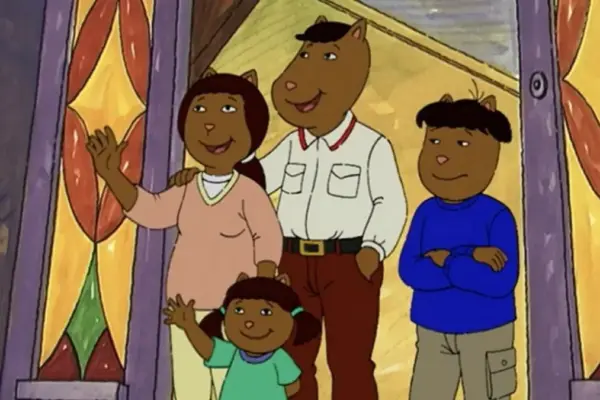
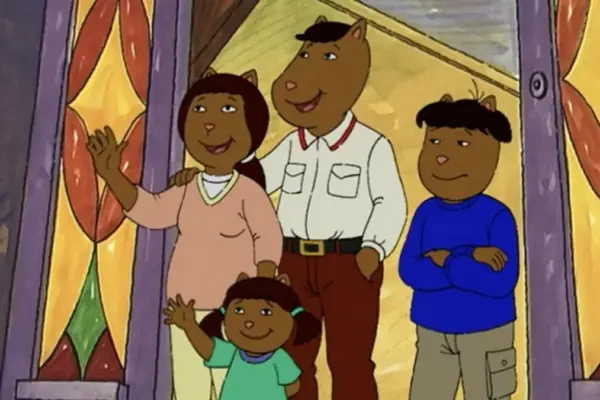
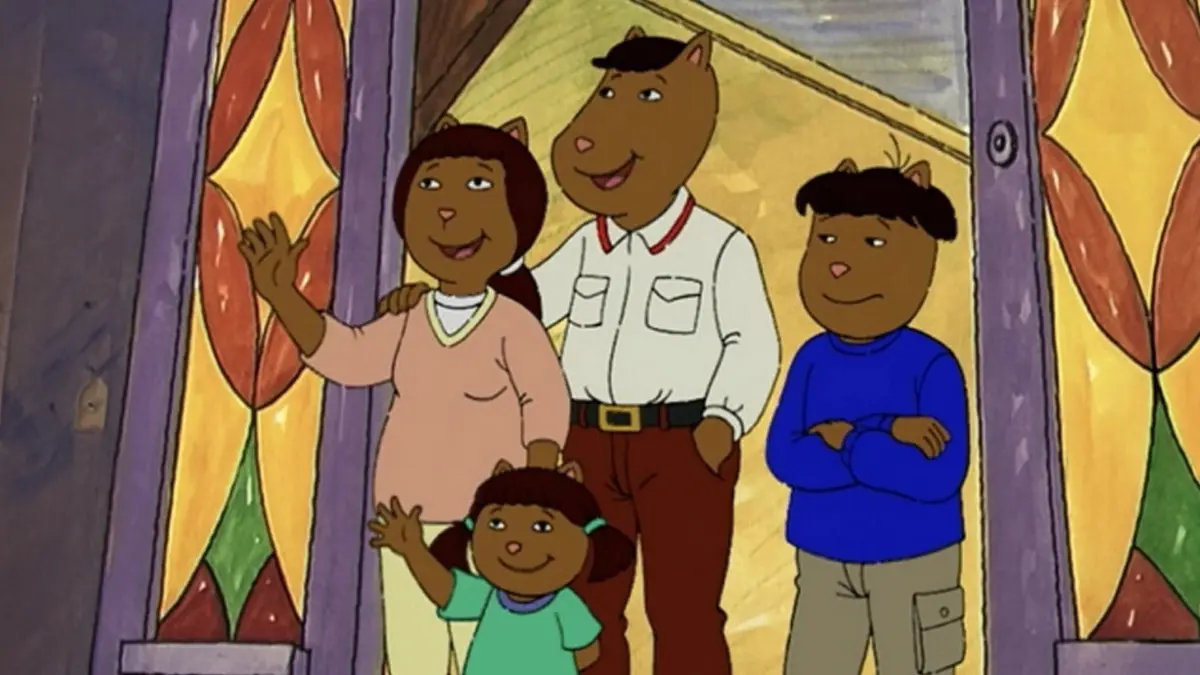
In the memorable episode titled “Arthur and Los Vecinos,” the beloved protagonist meets the Molinas, a vibrant family originally from Ecuador. The household consists of Mr. Ramón and Mrs. Molina, their 13-year-old son Alberto, their lively 3-year-old daughter Vicita, and the family dog, Amigo. Their arrival in Elwood City injects a fresh dynamic into the neighborhood, offering Arthur and his family a wonderful opportunity to reach out, extend a warm welcome, and get to know their new neighbors.
The introduction of the Molinas was handled with the trademark grounded realism that fans came to expect from the series. The family immediately establishes their own distinct lives and everyday routines within the community. Mr. Ramón Molina runs a local establishment known as Cafe con Leche, contributing to the local flavor of the town, while Mrs. Molina shares her passion and talent by teaching dance classes down at the community center. When Arthur’s family decides to pay a visit to welcome them to the neighborhood, the two families begin the gradual, organic process of building a genuine friendship. It stands out as a warm, everyday kind of introduction—not framed as a grand, heavy-handed moral lesson, but rather as ordinary neighbors opening their front doors and making literal and figurative room for one another in a shared community.
This cultural exchange even extended to the family pets. In a charming touch that highlights the subtle nuances of multicultural storytelling, the Molinas’ dog, Amigo, helps teach Arthur’s dog, Pal, that dogs from Latine households express themselves a bit differently, noting that Latine dogs say “guau” instead of the traditional English “woof.” While the Molinas first burst onto the scene in “Arthur and Los Vecinos,” they were never treated as mere one-off characters. Instead, they became recurring fixtures of Elwood City, appearing in several later episodes that further integrated them into the fabric of the show, including “Dear Adil” and “Dancing Fools.”
Alberto’s narrative arc, in particular, continued to develop in meaningful ways well beyond that initial neighborhood meeting. He possesses a treasured soccer ball that he affectionately calls “El Boomerang,” which holds special significance because it is signed by a fictional Ecuadorian soccer player named Juan-Carlos Salamanca. This detail anchors Alberto’s cultural identity and personal interests firmly within his everyday life as a teenager.
In a subsequent episode titled “Dear Adil,” Alberto’s presence allows the show to tackle more nuanced themes, pushing Arthur to think critically about cultural stereotypes and misrepresentations. The plot kicks into motion after Arthur reads a comic book featuring a generalized and inaccurate depiction of a golden Mayan temple purportedly located in Ecuador. Alberto steps up to correct the misconception, ensuring that his heritage is portrayed accurately rather than through a lazy, homogenized lens of exoticism.
These careful, thoughtful details ensure that the Molinas amount to far more than a simple cameo or a superficial attempt at diversity. They are portrayed as a fully realized family with their own distinct personal interests, professional lives, domestic humor, and cultural perspectives. Crucially, Alberto is given the space and voice to speak up when a popular media portrayal gets things wrong, modeling active critical thinking for the young audience watching at home. For many viewers who are revisiting the classic animated series today, that specific brand of thoughtful, respectful representation remains well worth remembering and celebrating.
Reporting by Anna Ortega.