




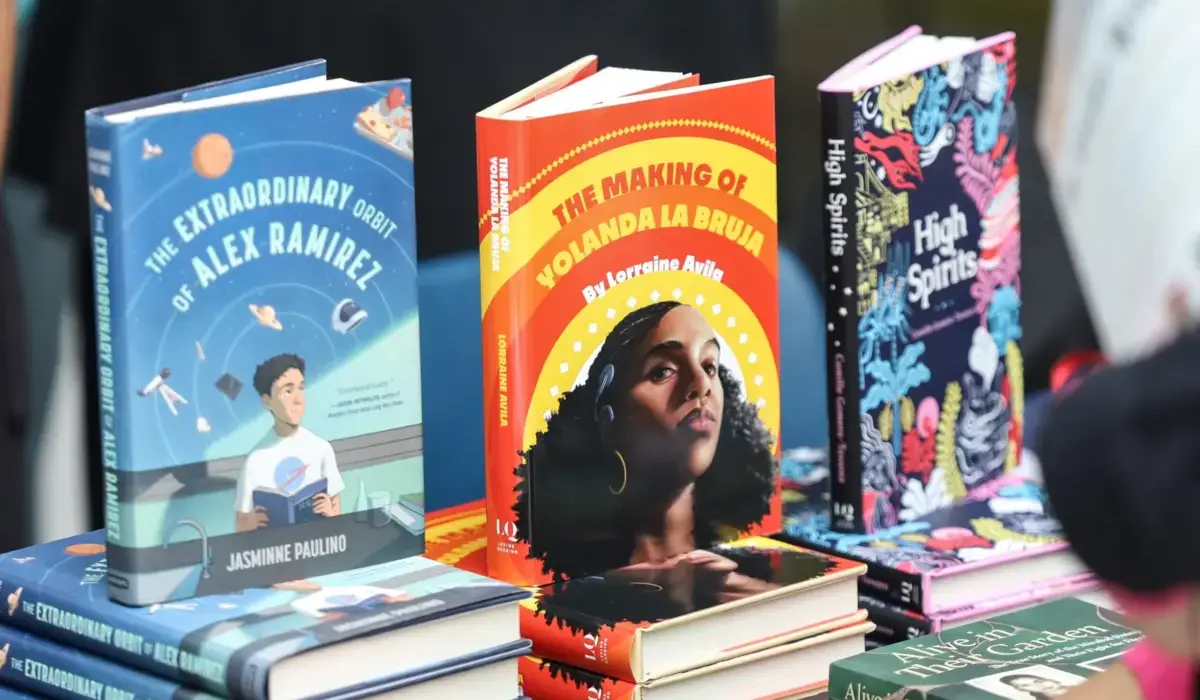
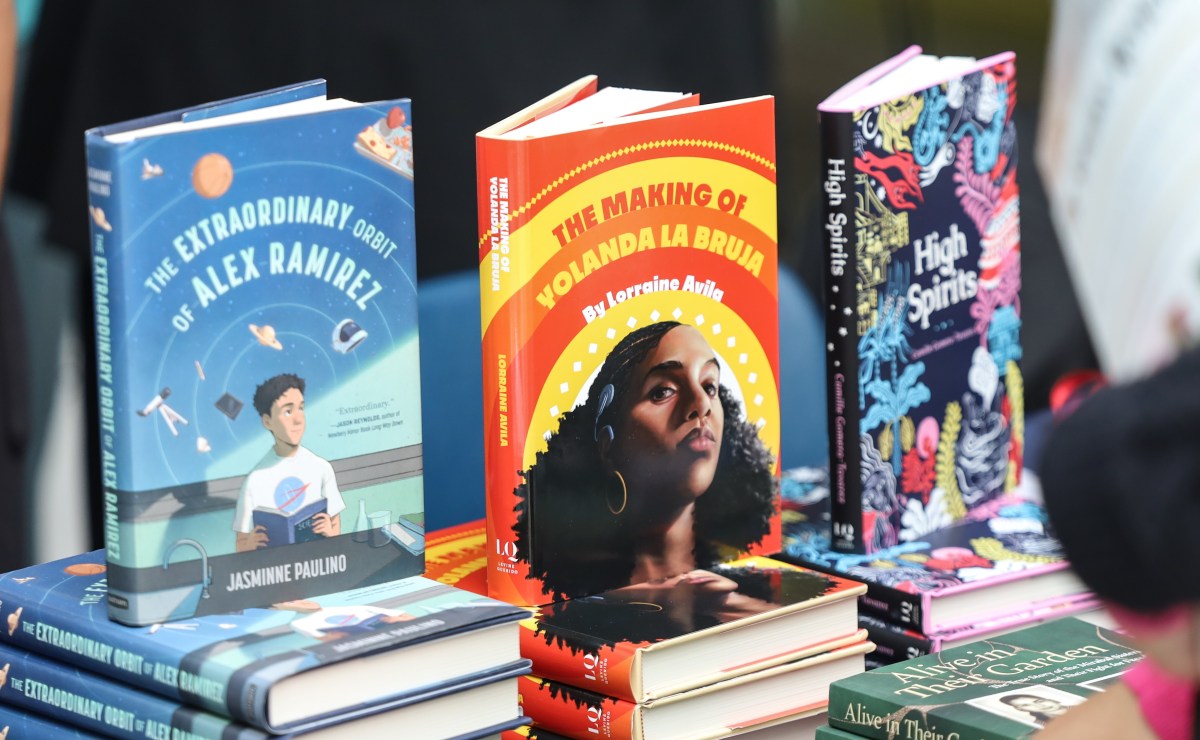
The landscape of contemporary literature has experienced a profound shift in recent years, with Dominican storytelling increasingly finding its rightful place in the mainstream. Yet, a closer examination of this literary evolution—particularly within the vibrant global diaspora—reveals that Dominican women have consistently served as the architects of some of the most nuanced and culturally defining narratives of our time. From pioneering literary figures like Julia Alvarez, celebrated for enduring classics such as How the García Girls Lost Their Accents and In the Time of the Butterflies, to powerful contemporary voices like Elizabeth Acevedo, Dominican women writers have long interrogated the intricate complexities of identity, migration, memory, race, womanhood, language, and belonging. Their collective body of work has not only expanded the boundaries of Dominican literature but has fundamentally enriched Latine literature as a whole, challenging persistent stereotypes, preserving vital cultural memory, and offering intimate portraits of Dominican life both on the island and across the globe.
While Dominican literature has never belonged exclusively to women, it is impossible to ignore how many of its most visible, celebrated, and groundbreaking voices today are, in fact, women. At a historic cultural moment when conversations surrounding representation, authorship, and institutional equity continue to evolve, Dominican women writers are not merely telling their own stories; they are actively redefining what Dominican storytelling can look like altogether.
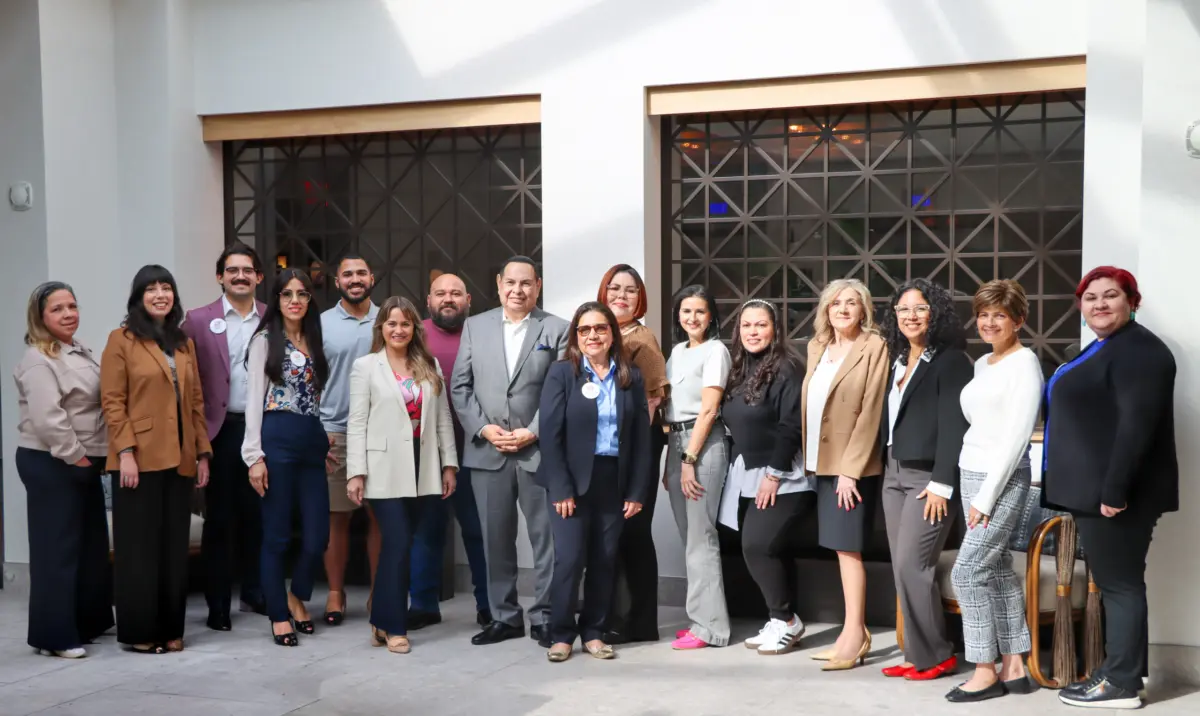
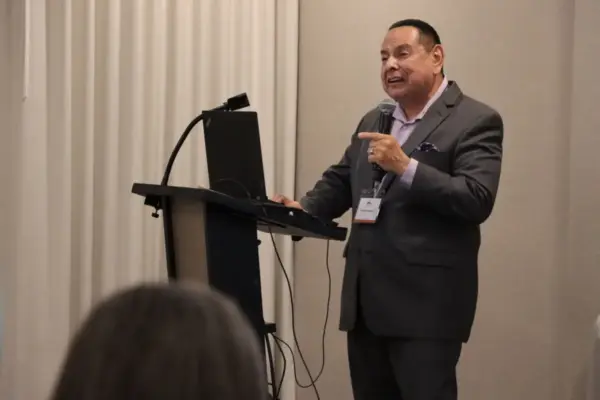
This vital literary movement took center stage this year as the organization Dominican Writers hosted its first in-person conference since 2019, bringing together authors, poets, and creatives from May 1 to May 2 at John Jay College in New York City.
For founder Angela Abreu, returning to an in-person format was a non-negotiable priority, despite the logistical hurdles that had accumulated over the years. "Honestly, the pandemic changed everything for us, as it did for so many organizations," Abreu reflects. "Once COVID arrived, everything went digital, our programming, our workshops that used to meet on Sundays in my apartment. A lot of people expected us to take the conference virtual, too, and I got asked about it more than once, but that never sat right with me. The conference has always been about being in the room together, and I wasn’t willing to compromise that."
Abreu initially explored hosting the monumental event at City College, also located in New York City, where the organization had previously organized successful gatherings. However, she encountered unforeseen obstacles stemming from campus policies that made it increasingly difficult for the general public to freely convene on university grounds.
Navigating these challenges required immense strategic planning and resilience. "Putting together a conference of this magnitude takes enormous resources, coordination, and the right moment. We had to be intentional. We didn’t want to just put on an event," Abreu explains, emphasizing the depth of purpose behind the gathering. "We wanted to recreate the experience of 2019, something that would feel meaningful and lasting for every writer who walked through those doors."
She continues, outlining the overarching vision for the recent gathering: "With DWC 2026, we wanted to come back with something that truly honored where Dominican literature is right now, which is in such a powerful, exciting place. The goal was to give our community a room where they could see themselves, fully reflected, in the panelists, in the conversations, in the theme itself."
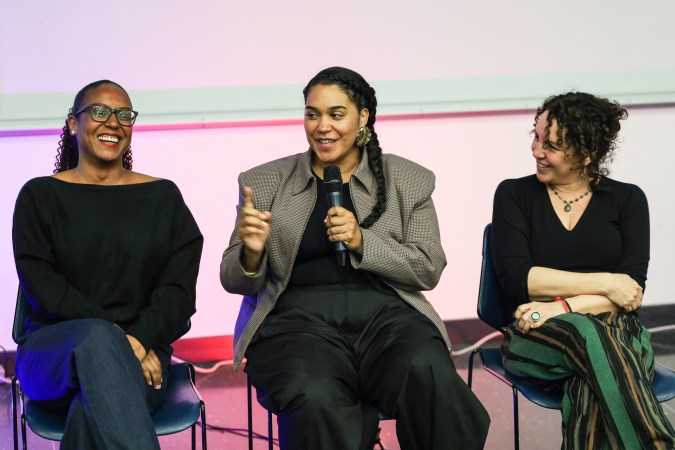
The two-day conference offered an expansive roster of panels and workshops, led by panels and moderators who were predominantly Dominican women authors. The programming was remarkably diverse, covering everything from strategies for breaking into the graphic novel movement and writing middle-grade stories with intentionality, to discussions centering on poetry, children’s literature, and modern romance. Several sessions were dedicated explicitly to the unique experiences and creative output of Dominican women writers. Among them was the prominent panel titled "Inheritance & Intuition: Writing Dominican Women," which featured acclaimed authors Angie Cruz, Elizabeth Acevedo, Cleyvis Natera, and Natalie Guerrero. Another standout offering was a specialized workshop titled "Reclaiming La Madre: Writing the Dominican Woman Mother Wound," facilitated by Dariana M. Pichardo, LMSW, MPA.
For Abreu, these sessions reflect an enduring cultural reality. "I think Dominican women have always been storytellers. We carry the history of our families, our communities, our migrations. What’s shifted is that we now have the language, the platforms, and crucially, the permission to put those stories on the page and call them literature," Abreu observes. "I also think there’s something about the urgency of our experience. Being Dominican, being a woman, being an immigrant, being Black, navigating all of that in a country that doesn’t always see you fully, that urgency demands expression. And Dominican women have answered that call loudly and beautifully."
The overarching theme of this year’s conference, "Reclaiming Our Palabras," was chosen with deliberate precision. For Abreu, the current socio-political climate made it imperative to host an event that highlights the critical importance of Dominicans reclaiming their own narratives and forcefully pushing back against tired tropes suggesting that their stories do not belong in mainstream literary spaces.
"We are living in a moment where our government is actively trying to erase us, pushing a narrative that we don’t contribute, that we don’t belong, that we are somehow less than. That is not just incorrect—it is a lie. We wanted this conference to be a direct response to it," she states firmly. "Language has always been a site of tension for us. At home, Spanish was valued. It was how we loved each other, how we told our stories, how we kept our culture alive. But the moment we stepped outside, society told us something different. To soften our accents, to leave certain words at the door, to believe that the language of our homes had no place in ‘serious’ literature."
In a powerful tribute to foundational literary history, the conference was proudly dedicated to Julia Alvarez, who recently released her latest book, Visitations, a poignant collection of poems drawn from across all seasons of her life, ranging from childhood memories to the wisdom of later years. Alvarez participated in a marquee keynote conversation alongside Cleyvis Natera, during which they explored Alvarez’s immense legacy as a trailblazing author, the ways in which her pioneering work granted subsequent generations of Dominican writers the profound permission to see themselves reflected in literature, and the undeniable importance of the literary inheritance carried by Dominican women.
"Julia Alvarez is, in many ways, the reason organizations like DWA exist. She proved to a generation of Dominican women that we could write our way into the canon, that our stories were not too small or too foreign for the literary world," Abreu notes. "Dedicating DWC 2026 to her felt like the right way to honor that legacy, to say to her and to everyone in that room: we know where this path started, and we’re grateful. And the timing felt especially right with Visitations coming out. To celebrate her newest work while also celebrating what she has meant to all of us, that felt like a full-circle moment."
While acknowledging that there has truly never been a better time for emerging Dominican women writers to break into the publishing industry, Abreu remains candid about ongoing systemic barriers. "The gatekeeping is still very real," she points out. This persistent reality remains a primary catalyst for why she founded Dominican Writers in the first place, and why ensuring the conference remained an in-person gathering was so vital—allowing aspiring writers to directly connect with essential professional resources, guidance, and community mentors.
"There’s this persistent idea in traditional publishing that there is only room for one Dominican story, one Dominican voice at a time. Authors are still being told their work is ‘too niche,’ or being asked to sand down the very things that make their writing distinctly ours—the Spanish, the cultural references, the complexity," she explains. "At DWA, we try to meet writers where they are. That means education around the publishing process and community, so writers don’t feel like they’re navigating it alone, and increasingly supporting authors who choose to publish independently. Because the traditional route is not the only route, and we want our writers to know that."
Even with the institutional gatekeeping that Abreu addresses, there is no denying that the literary world is witnessing an extraordinarily vibrant era for Dominican literature—most notably for its women writers. A growing ecosystem of opportunities, institutional resources, specialized workshops, supportive conferences, and expanding publishing spaces is welcoming Dominican stories in unprecedented numbers. This structural growth is accompanied by an escalating public demand for narratives that are thoroughly nuanced, deeply layered, and profoundly human. At a time when ongoing cultural conversations continue to interrogate who holds the power to tell stories, Dominican writers are demonstrating unequivocally that their narratives are far from niche; they are essential.
"My hope is that one day a Dominican author doesn’t have to fight to be taken seriously," Abreu concludes. "That the stories we tell are received with the same weight and curiosity as any other literary tradition."