







Over the past decade, a growing wave of entitled tourist behavior has sparked tension across Mexico and the wider Latin American region. From demanding that local residents speak English to showing overt disrespect for deeply rooted cultural traditions, a subset of foreign visitors—particularly travelers hailing from the United States—has grown increasingly comfortable displaying xenophobic attitudes while vacationing abroad. This ongoing cultural friction has now taken center stage once again, following an incident in Mexico City involving an American tourist whose volatile behavior toward local workers and patrons has gone viral on TikTok, dramatically reigniting intense public conversations about unchecked gentrification, economic disparity, and community displacement in the Mexican capital.
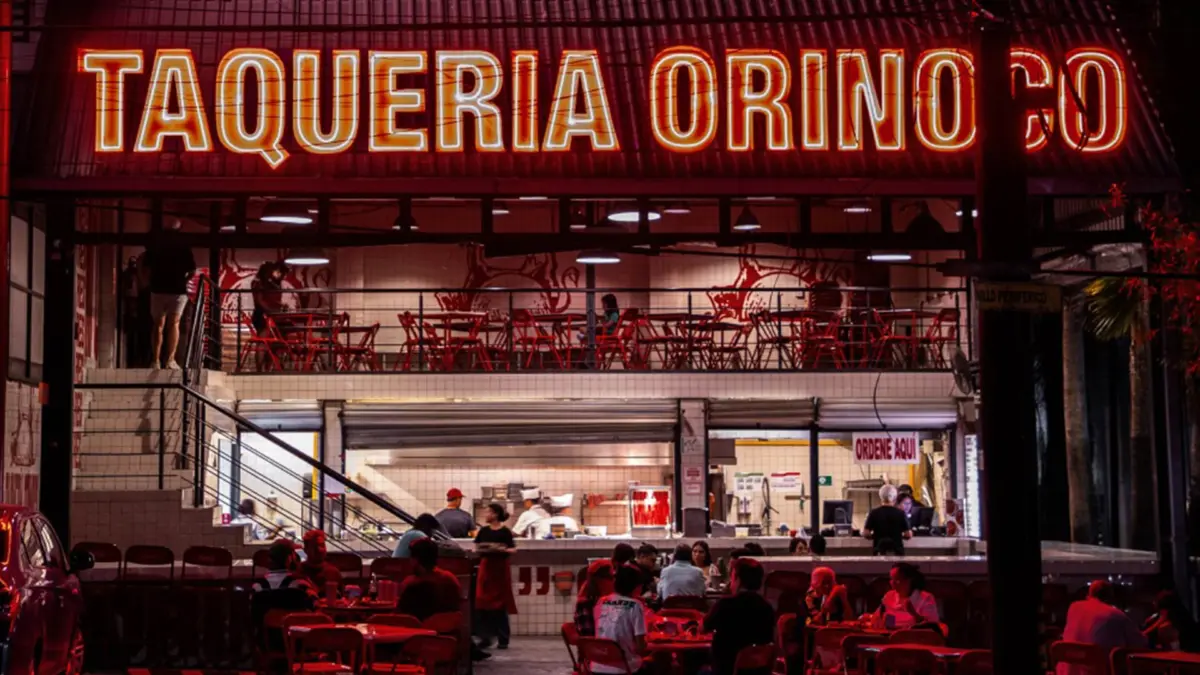
Earlier this week, a local resident named Martin Navarro took to TikTok to publish two detailed videos describing a chaotic and deeply unpleasant altercation with an American tourist at Taqueria Orinoco, a popular and bustling eatery located in Mexico City. According to Navarro’s firsthand account on the platform, the woman, who appeared to be visibly intoxicated, demanded that the restaurant staff assist her in calling a taxi. When the employees politely refused or were unable to immediately fulfill her demand, the situation quickly escalated. The tourist reportedly became aggressive, belligerent, and ultimately physical, allegedly striking a waitress who was simply trying to do her job.
Seeing the confrontation unfold and wanting to protect the restaurant staff, Navarro intervened to de-escalate the situation. Rather than backing down, the tourist turned her hostility toward him, physically grabbing his food and aggressively throwing his tacos at him. Beyond the physical assault and property disruption, Navarro reported that the woman displayed an appalling lack of cultural respect, repeatedly interrogating the hardworking staff about how much money they were paid and weaponizing xenophobic slurs against the local employees who were serving her.
Despite the severity of the altercation, Navarro stated publicly that he ultimately chose not to press formal legal charges against the tourist. He explained that navigating the local legal and administrative process would simply be too burdensome and overwhelming for him to pursue. However, the viral nature of his videos meant that the incident immediately transcended a mere late-night restaurant dispute, striking a raw nerve among citizens across the country and further fueling broader, ongoing conversations regarding the complex impacts of entitled foreign visitors and rapid gentrification within Mexico City.
The fallout on social media was swift, with thousands of users weighing in on the widening cultural chasm between long-term residents and foreign expatriates or tourists. One TikTok user captured the widespread frustration in the comments section, writing that all the videos circulating online showing Americans in Mexico City consistently depict them treating locals with disrespect and a sense of superiority. Another commenter pointed out the glaring economic hypocrisy often observed in these interactions, noting that these visitors frequently inquire condescendingly about local wages while simultaneously moving to or visiting Mexico precisely because the cost of living is significantly lower, allowing them to live luxuriously and feel like royalty at the expense of the local population.
This latest viral controversy arrives at a particularly sensitive time for Mexico City, which has witnessed multiple protests against gentrification over recent years. These demonstrations have been driven by a convergence of socioeconomic pressures, including soaring inflation, skyrocketing housing and rental costs, and the steady displacement of longtime local residents who are increasingly being priced out of their own neighborhoods. Incidents like the one at Taqueria Orinoco serve as flashpoints, crystallizing local grievances about foreigners who enjoy the economic benefits of living in or visiting the country while showing little to no regard for its people, laws, or cultural norms.
In light of these persistent tensions, some residents and community advocates are now calling for municipal authorities to implement stricter regulations or take decisive action against entitled visitors whose behavior disrupts public order and harms local communities. While many hope that public awareness and shifting social expectations might eventually improve the situation, disrespectful and entitled tourist behavior remains a compounding, systemic problem spreading across various popular destinations throughout Latin America.