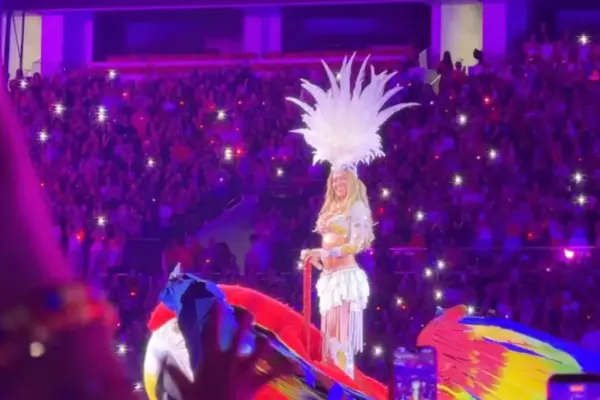




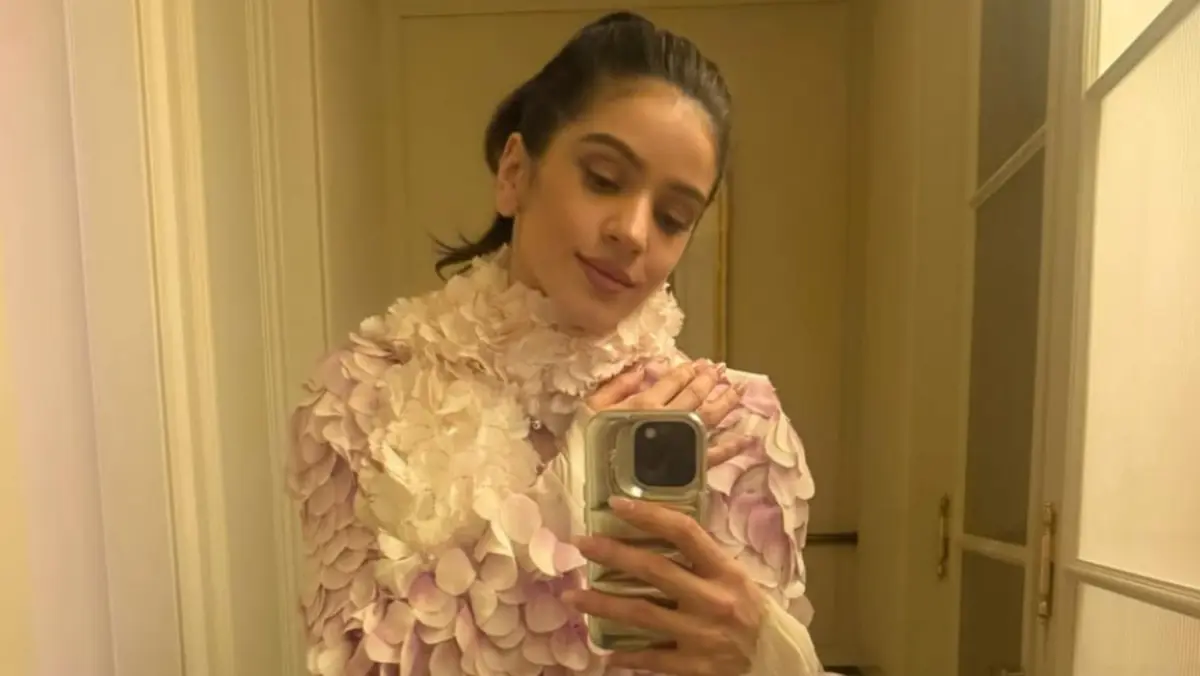
MIAMI — Rosalía arrived at the James L. Knight Center on Thursday night carrying the weight of an artist who has perpetually defied categorization. When she left the venue hours later, she did so with three major Billboard Latin Music Awards firmly in her grasp, including the prestigious Hall of Fame honor. Presented to her by legendary Dominican singer-songwriter Juan Luis Guerra, the accolade capped a monumental evening for the Catalan superstar, cementing her status not only as a global pop force, but as an enduring, deeply respected figure within the landscape of Latin music.
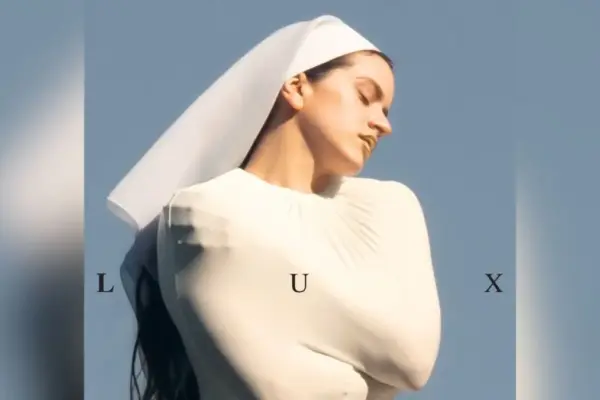
The night’s victories spanned several major categories. Her ambitious recent album, “LUX”—a sprawling, multilingual record featuring tracks recorded in thirteen different languages—was crowned Top Latin Pop Album of the Year. In addition to that triumph, Rosalía also claimed the trophy for Latin Pop Artist of the Year in the solo category. For an artist who began her journey as a flamenco-rooted talent from Barcelona and grew into an international powerhouse, the evening served as a formal acknowledgment of a reality that has unfolded over the past several years: she has carved out a permanent, undisputed home for herself within Latin music, and she remains profoundly vocal about the people and regions responsible for welcoming her.
She Said the Quiet Part Out Loud About Where She Comes From
Rosalía used her acceptance speech for the Top Latin Pop Album award to address lingering questions of identity and genre that have followed her throughout her career. Standing before a packed house of industry peers, artists, and fans, she admitted with characteristic candor that she wasn’t entirely certain whether “LUX” strictly qualified as a traditional pop record. However, she emphasized that there was never any doubt about her roots or her medium: she proudly declared that she is from Barcelona and that she creates her music in Spanish.
From that foundation, she turned her attention outward to express a deep sense of gratitude. Rosalía thanked Latin America for the embrace, the platform, and the artistic home the region had given her over the years. She spoke of the countless hours of inspiration and learning she has drawn from Latin American culture, noting that her career has been shaped by the generosity of its people. She concluded the thought by expressing her hope that she could continue finding meaningful ways to return that love and generosity through her art.
The moment was a poignant reflection of her artistic evolution. Throughout her rise to global prominence, Rosalía has frequently navigated public discourse regarding authenticity, cultural crossover, and geographical belonging—particularly within genres that historically struggled to define artists who cross traditional borders. By addressing this history directly and without apology on Thursday night, she reclaimed the narrative around her work, framing her success not as an accident of marketing, but as a deliberate, respectful exchange between her European roots and the vast expanse of Latin American musical tradition.
Juan Luis Guerra Handed Her the Hall of Fame Award and She Fell Apart in the Best Way
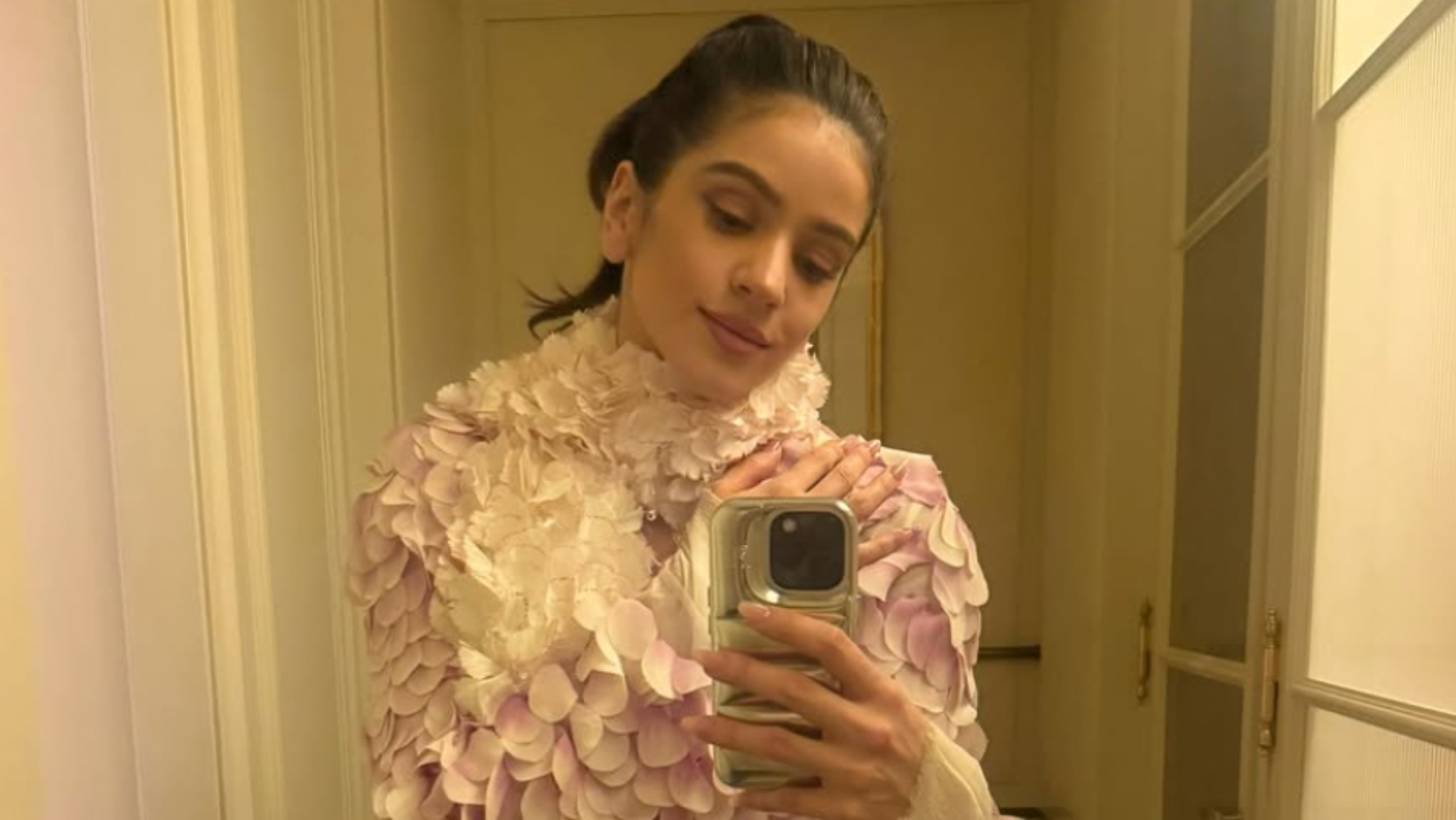
The emotional apex of the evening arrived when Rosalía was called to accept the Hall of Fame Award. The moment carried immense artistic weight, heightened significantly by the fact that the honor was handed to her by Juan Luis Guerra, one of the most revered architects of tropical and romantic music in Latin American history.
Addressing Guerra directly from the stage, an visibly moved Rosalía told the legendary musician that she wanted to thank him with her whole heart. Receiving the award from his hands specifically, she noted, was an honor of a lifetime. Calling him a "master among masters," she shared how his timeless songs had moved her to tears, compelled her to dance, and made her feel intensely alive throughout her life. She added that she knew she would never forget the moment—nor the surreal reality of seeing Guerra standing on stage to present it to her.
The Hall of Fame Award recognizes exceptional musical innovation, profound artistic vision, and an international reach that transcends genres, languages, and geopolitical borders. Accepting the distinction, Rosalía made sure to honor the broader lineage of Latin music that made her own trajectory possible. She acknowledged that she could not accomplish what she does without the pioneers who came before her, paving the road and breaking down doors. In her speech, she explicitly named legendary figures like Celia Cruz, Rocío Dúrcal, Vicente Fernández, and Daddy Yankee—all previous recipients of the Hall of Fame distinction whom she deeply admires—expressing her profound disbelief and honor at finding her name added to such illustrious company.
She Was the Only Woman Among the Night’s Special Honorees
Beyond her competitive wins, Rosalía’s presence at the ceremony marked a notable milestone in representation. The Billboard Latin Music Awards honored four distinct artists with special career distinctions on Thursday evening, and Rosalía stood alone as the only woman among them. The other special distinctions of the night were awarded to Rubén Blades, Cristian Castro, and Fuerza Regida, highlighting a roster of honorees that otherwise skewed heavily male.
By securing three wins across the evening, Rosalía placed herself squarely at the center of a major industry ceremony that has historically been dominated by male artists. Over the course of her career, she has frequently found herself navigating and earning her place in rooms, genres, and boardrooms that were not originally designed with an artist like her in mind. Her performance, her boundary-pushing discography, and her undeniable commercial and critical success have steadily chipped away at those structural barriers. Thursday night in Miami offered a definitive punctuation mark to that ongoing effort, as she walked away with three awards that firmly settled any lingering questions regarding her rightful place at the pinnacle of the industry.