











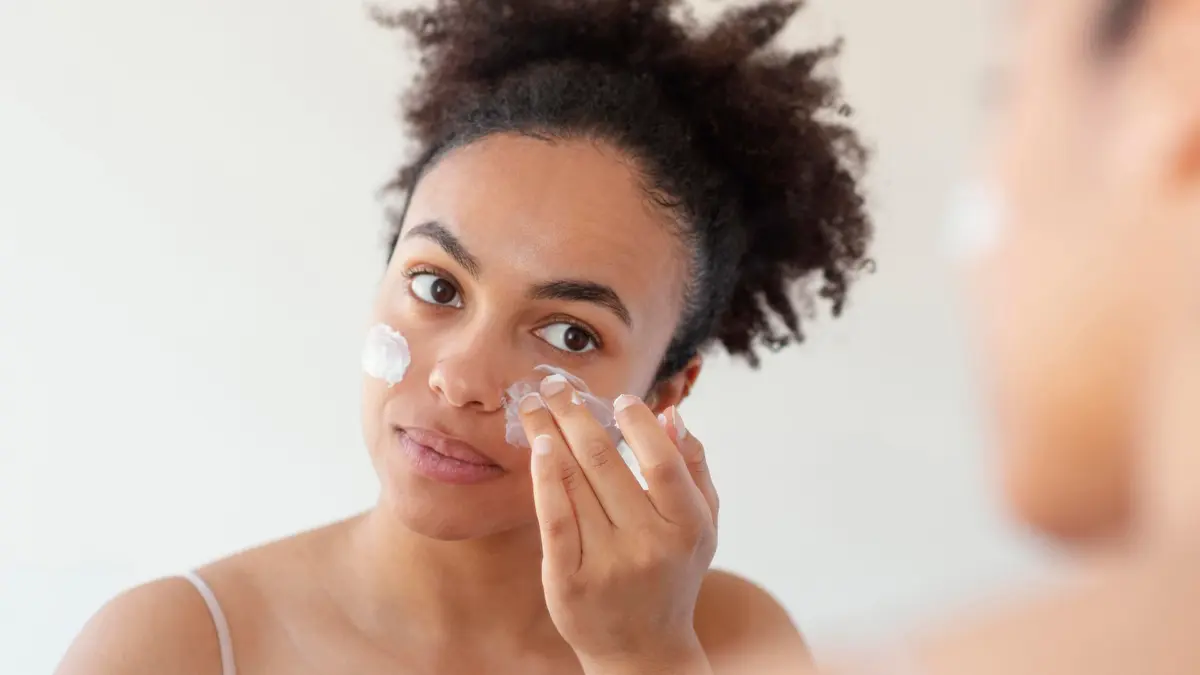
To understand its growing popularity, one must start with the basics of what azelaic acid actually is and how it interacts with human skin. Categorized chemically as a dicarboxylic acid, azelaic acid is a naturally occurring substance found in grains such as barley, wheat, and rye, though synthetic versions are more commonly formulated for topical skincare products. It functions as a multitasking ingredient capable of addressing several dermatological concerns simultaneously, most notably post-acne discoloration, generalized uneven skin tone, and localized inflammation. At a cellular level, azelaic acid works primarily by inhibiting tyrosinase, an essential enzyme that plays a direct role in the body’s production of melanin. By slowing down this enzymatic process, the acid helps prevent the overproduction of pigment, which in turn fades existing dark spots and minimizes the stubborn marks left behind by past blemishes.
Beyond its pigment-inhibiting properties, azelaic acid offers secondary benefits that make it particularly valuable for acne-prone complexions. It functions as an anti-inflammatory agent, which is crucial because skin injuries and breakouts often trigger excess melanin production as part of the healing response—a phenomenon known as post-inflammatory hyperpigmentation. By calming active redness and swelling, the acid helps intercept this cycle before dark marks can fully form. Furthermore, azelaic acid possesses mild keratolytic properties, meaning it helps keep pores from clogging with dead skin cells and sebum. This preventative action reduces the frequency and severity of new blemishes, effectively cutting off hyperpigmentation at its source.
While these biochemical mechanisms sound promising on paper, the ultimate test for any skincare ingredient lies in clinical validation and real-world application. Can azelaic acid genuinely stand up to the challenge of stubborn hyperpigmentation? Historical dermatological research suggests it can, though context matters significantly. A notable 24-week clinical study published in 1998 investigated the efficacy of a 20% azelaic acid cream in treating facial hyperpigmentation. The findings revealed that the 20% formulation successfully reduced facial pigment intensity significantly more than the cream base alone, particularly among individuals with darker skin tones, a demographic that often requires careful ingredient selection to avoid adverse reactions like post-inflammatory lightening or worsening discoloration.
Further supporting its use in specific pigmentary disorders, a small 2011 study compared the effects of 20% azelaic acid against 4% hydroquinone—long considered a gold standard in prescription-strength depigmenting agents—in a group of 29 women diagnosed with melasma, a notoriously difficult-to-treat form of hyperpigmentation characterized by symmetrical, blotchy facial darkening. The comparative study suggested that applying azelaic acid cream twice daily could help reduce mild cases of melasma over a two-month period. However, the study’s authors exercised appropriate scientific caution, explicitly calling for larger, more comprehensive clinical trials to confirm these promising findings across broader populations.
Despite these positive clinical outcomes, important gaps and uncertainties remain for the everyday consumer. The vast majority of rigorous clinical studies examining azelaic acid’s impact on pigmentation have relied on a potent 20% concentration. Consequently, these findings do not automatically translate to the results one might expect from a milder, 10% over-the-counter formulation purchased at a local pharmacy or beauty retailer. At the same time, dermatologists emphasize that lower over-the-counter strengths are not inherently ineffective, nor does doubling a product’s concentration automatically double its visible cosmetic benefits. Skin biology is complex, and individual responses vary widely based on formulation chemistry and personal skin physiology.
Regulatory status and prescription requirements for azelaic acid also vary considerably by country and region, reflecting its dual classification as both a cosmetic adjunct and a medical therapy. In the United States, regulatory approvals include prescription-strength formulations such as 20% Azelex cream, which is officially approved for the treatment of mild-to-moderate inflammatory acne, as well as 15% Finacea gel, approved specifically to manage the inflammatory bumps, pimples, and persistent redness associated with mild-to-moderate rosacea. These approvals highlight that azelaic acid is clinically recognized for managing inflammatory skin conditions, rather than being restricted solely to severe or unresponsive dermatological pathologies.
When evaluating azelaic acid or any other active ingredient, skincare professionals continually stress the importance of assessing products strictly through the lens of individual skin types and personal care needs. Like any active compound, azelaic acid is not a magic bullet and can occasionally provoke adverse local reactions. Common side effects reported by users include transient stinging, burning sensations, mild dryness, skin peeling, redness, or general irritation, particularly during the initial weeks of introduction as the skin builds tolerance.
More notably, the official prescribing information for the 20% Azelex cream notes that there have been isolated reports of hypopigmentation—the abnormal lightening of the skin—though clinical monitoring has not yet established an exact frequency for this side effect. Medical labeling specifically advises clinicians to monitor patients with darker complexions closely for early signs of unwanted lightening and instructs users to report any abnormal shifts in skin color to their healthcare provider immediately.
In the broader context of the modern beauty industry, azelaic acid joins a long line of buzzy, highly discussed ingredients—ranging from PDRN to various botanical extracts—that capture public attention through social media and marketing campaigns. Yet, it remains far from a universal, one-size-fits-all solution. The ultimate efficacy of any treatment depends heavily on how the specific product is formulated, the underlying biological nature of the discoloration being treated, the current barrier health of the individual’s skin, and daily habits regarding sun exposure and UV protection. Personal routines often reflect this nuance; for instance, many skincare enthusiasts incorporate accessible over-the-counter options, such as The Ordinary’s Azelaic Acid Suspension 10% cream, noting visible improvements in fading cheek hyperpigmentation and achieving a more balanced complexion over time.
To mitigate the risk of adverse reactions when introducing potent actives, dermatological organizations strongly recommend patience and caution. The American Academy of Dermatology advises consumers to perform a patch test by applying a new skincare product to a small, discreet area of skin twice daily for seven to ten days before committing to regular, full-face application. This methodical approach allows the skin to signal whether it tolerates the formulation.
Ultimately, dermatologists remind consumers that no single skincare ingredient works universally for every human body. The fundamental objective of any regimen is to discover products that align harmoniously with an individual’s unique skin biology, financial budget, and daily lifestyle routine, rather than chasing an elusive miracle cure promoted by trends.