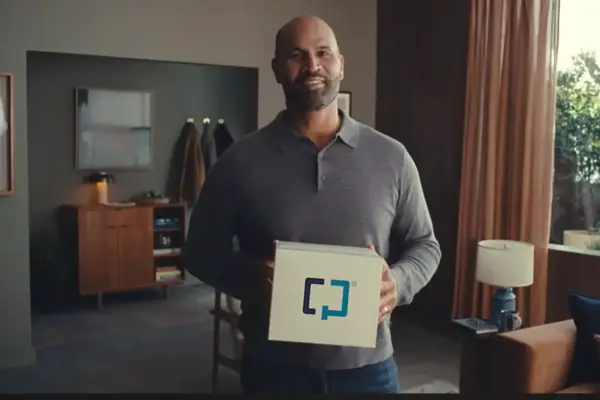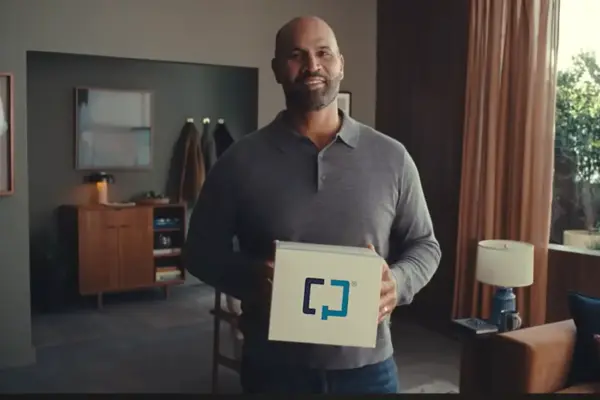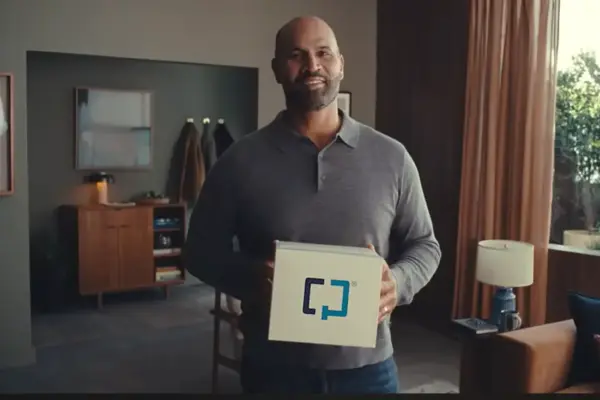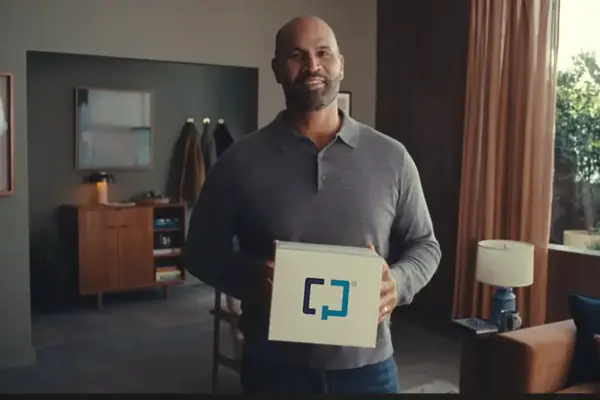










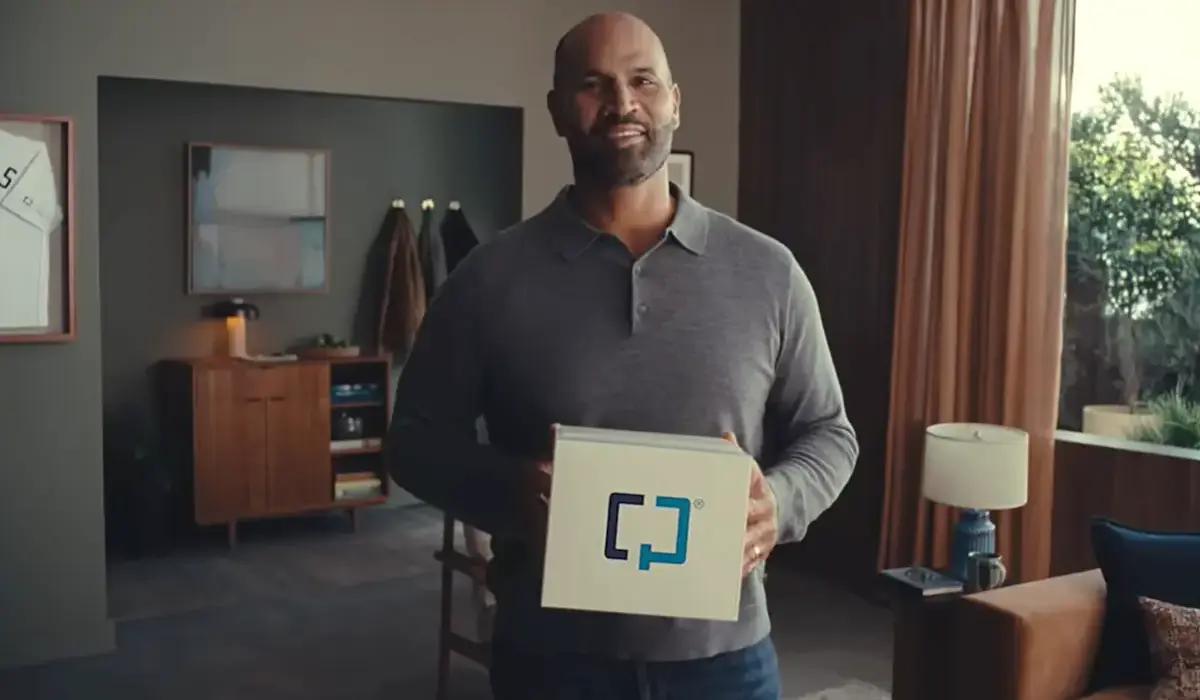
If you are 45 or older, healthcare experts say it is time to step up to the plate and take a proactive approach to your health by getting screened for colon cancer. That is the core message behind a new, baseball-themed bilingual ad campaign launched by Abbott to promote the Cologuard Plus test, an innovative at-home screening tool designed to detect colorectal cancer early.
The campaign, titled "Mind Your Behind," cleverly bridges America’s favorite pastime with a serious public health message. It features baseball legend Albert Pujols, who was born in the Dominican Republic and celebrated a historic Major League Baseball career featuring 703 home runs, alongside current Seattle Mariners star catcher Cal Raleigh. By combining sports culture with a touch of humor, the campaign aims to dismantle the stigma and awkwardness that often surround discussions of colorectal health.
Jake Orville, Abbott’s Senior Vice President of Cancer Diagnostics, emphasized the deliberate choice of tone for the initiative. Colorectal cancer screening is a serious medical necessity, Orville noted, but the way society talks about it does not always have to be intimidating or overly formal. The objective of the campaign is to make screening significantly easier to talk about among family and friends, and more importantly, to translate those conversations into timely medical action.
About the Baseball Campaign for Colon Cancer Screening
The "Mind Your Behind" campaign leans into a playful, "cheeky" concept, recognizing that baseball fans have long shared a lighthearted fascination with players’ backsides. By channeling this familiar aspect of the sport, the campaign captures public attention and pivots it toward the critical importance of colorectal cancer screening and early detection.
Public health data underscores the urgency of these efforts. Currently, nearly 60 million Americans remain unscreened for colorectal cancer, representing a massive gap in preventive care. Because early-stage colorectal cancer is often highly treatable—and frequently preventable through the detection and removal of precancerous growths—raising awareness is vital to saving lives.
Albert Pujols shared his perspective on why he chose to lend his voice and national profile to the initiative. He acknowledged that colorectal cancer is not a subject that sits comfortably in casual conversation for many people, which is precisely why he wanted to be involved. If a little humor and a familiar face can get people in their mid-40s and older thinking about screening, and make them aware of a convenient test they can seamlessly fit into their everyday lives at home, Pujols believes that represents a major win for public health.
The campaign specifically encourages eligible adults to utilize the Cologuard Plus test as a preferred, non-invasive, stool-based screening option that needs to be repeated every three years for average-risk individuals. The medical device allows users to complete the screening process privately at home in about 15 minutes. The sample is then mailed to a laboratory for analysis, providing results without requiring any specialized medical preparation, bowel cleansing, or dietary changes prior to collection.
Cal Raleigh, who spends his professional life behind home plate as a catcher, echoed these sentiments. He pointed out that the campaign serves as an entertaining and effective way to redirect people’s attention from everyday sports chatter to a matter of profound personal and family well-being.
As part of its bilingual outreach, the campaign has also rolled out dedicated Spanish-language advertisements to ensure that critical screening messages reach diverse communities effectively across the United States.
Colon Cancer in Latinos
While colorectal cancer affects individuals across all demographics, the burden is particularly heavy in certain communities. According to health statistics, colon cancer stands as the second-leading cause of cancer death among Latino men and ranks as the third-leading cause among Latinas, highlighting an urgent need for targeted health interventions and culturally tailored awareness campaigns.
Regional disparities further compound the challenge. In Bexar County, Texas, for instance, more than half—specifically 57 percent—of all colorectal cancers are diagnosed at a late stage. This late-diagnosis rate is notably higher than those recorded in many other Texas counties, signaling significant barriers to early screening, healthcare access, or symptom recognition within the local population.
Medical professionals stress that recognizing potential warning signs is crucial, though it can often be complicated. Symptoms of colorectal cancer include blood in the stool, persistent changes in bowel habits such as constipation, and ongoing abdominal pain. However, healthcare providers note that these exact symptoms are frequently shared by other, far more common ailments that are statistically more likely to affect younger individuals than cancer, which can sometimes lead patients and doctors to overlook or delay vital diagnostic investigations.
Reflecting on his own life stage, Albert Pujols emphasized that taking care of his health has always been a primary personal priority. Now that he has entered his mid-40s, undergoing regular colorectal cancer screening has naturally become an integral part of that ongoing health maintenance effort.
For individuals looking to take the next step, resources and kit requests are available directly through the official Cologuard website, with comprehensive Spanish-language information hosted on their dedicated portal for Spanish speakers.
The Importance of Clinical Trial Participation
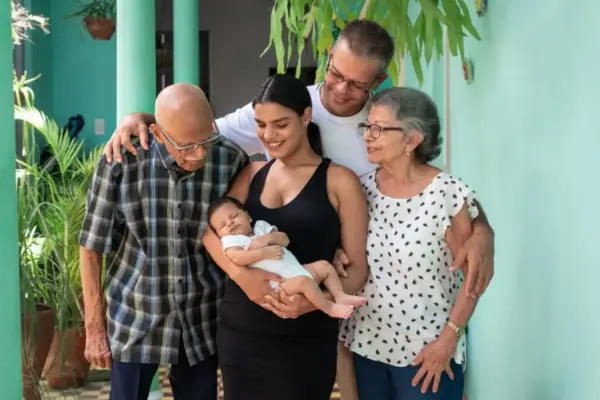
Addressing the broader landscape of oncology, health advocates emphasize that serious diseases like cancer frequently impact cherished family members, including parents, grandparents, and loved ones across generations. Fighting back against these conditions requires robust community engagement, and experts point out that clinical trials represent a powerful avenue for families to fight for their collective well-being.
Clinical trials are carefully controlled medical research studies designed to help scientists and physicians learn more about how to slow, manage, and treat cancer, dementia, and a wide array of other health conditions for current patients and future generations. Yet, historically, certain communities—including Hispanic and Latino populations—have been underrepresented in clinical research, meaning that the specific medical benefits and treatment advancements developed through these trials may sometimes miss the groups that need them most.
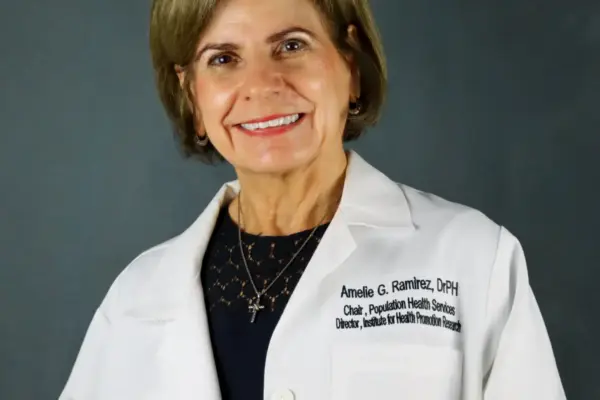
Public health leaders continue to advocate for increased volunteer participation to ensure that medical breakthroughs are safe and effective across diverse populations. Dr. Amelie Ramirez, director of Salud America! and the Institute for Health Promotion Research at UT Health San Antonio, highlighted the profound community impact of medical research participation.
Volunteers who step forward to participate in clinical trials are not only taking an active role in managing their own health outcomes, Dr. Ramirez noted, but they are also actively building a future defined by potentially superior treatments that can protect and support their families for years to come.
For individuals seeking local research opportunities in South Texas, the Mays Cancer Center at UT Health San Antonio maintains an accessible online database where patients can search for open clinical trials and review specific eligibility requirements. On a national level, individuals interested in exploring research opportunities can consult the federal registry maintained at clinicaltrials.gov to locate studies operating in their local areas.