






When Francisco "Memo" Ochoa first arrived at Club América more than twenty-five years ago, he stepped onto the pitch as a young forward with ambitions of scoring goals. Life, however, had an entirely different trajectory in store for him. Through a combination of relentless dedication, natural reflexes, and an unshakeable psychological fortitude, Ochoa would eventually evolve into arguably the most important Mexican goalkeeper in the history of the sport. His career has spanned decades, continents, and historic milestones, cementing his status as a pillar of international soccer.
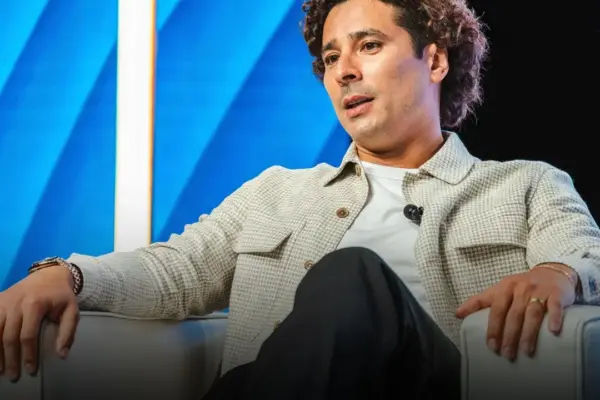
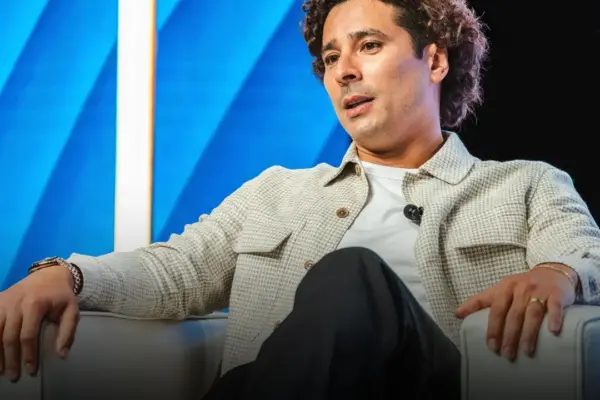
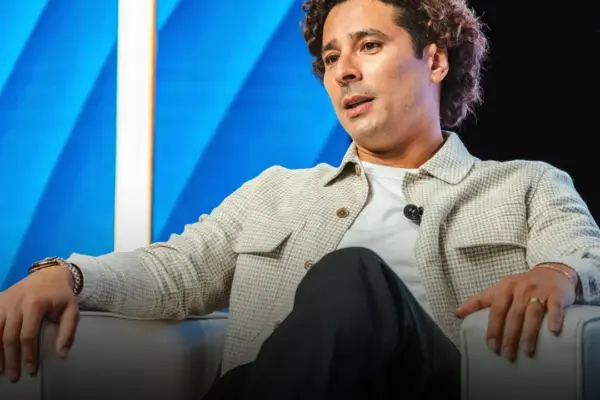
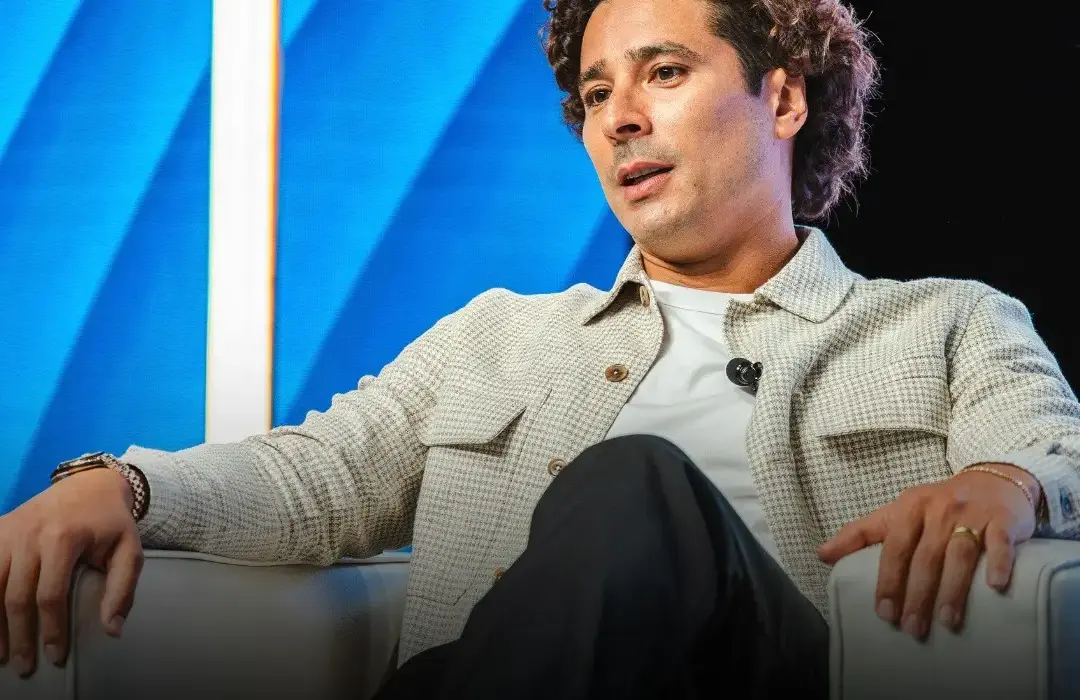
Fresh off a whirlwind summer playing in his sixth and final World Cup—perhaps the most meaningful chapter of his illustrious career, played out in front of his home crowd at the historic Estadio Azteca—Ochoa sat down for an exclusive conversation with The Latino Majority at AVANCE Global 2026 in Las Vegas. Far from the roaring stadiums and the high-stakes pressure cooker of international competition, the legendary goalkeeper offered a reflective look at the lessons learned from a life lived in the spotlight, his deep connection to the Latino diaspora, and how he is preparing for the ultimate transition: life after soccer.
The Weight of the Goal and the Power of Resilience
Standing between the goalposts at the highest level of professional sports demands a unique psychological armor. For Ochoa, the crucible of international competition taught him early on that mistakes are not merely possible; they are an inevitable part of the journey. More importantly, he learned that they are entirely necessary for growth.
"You have to learn from mistakes, learn to live with them, and get back up the next day," Ochoa reflects, discussing the heavy psychological demands of his position. "You start from zero. As the years go by, you learn how to let them go and not carry that weight with you."
That capacity to reset has been the hallmark of his longevity. Whether facing relentless attacks from world-class forwards in Europe’s top leagues or carrying the immense expectations of millions of Mexican fans on the global stage, Ochoa’s ability to compartmentalize failure and focus on the immediate future allowed him to sustain a career at the absolute elite level for more than two decades. Yet, as he navigates the twilight of his playing days, the perspective that once kept him focused on the next match has expanded to encompass a much broader horizon.
A Lifelong Bond with the Latino Community
Soccer and the Latino community in the United States share an inseparable bond, one woven from identity, shared passion, and cultural nostalgia. For millions of immigrants and Mexican Americans living across the United States, pulling on a jersey—whether it bears the crest of Club América, Chivas, or Cruz Azul—is a tangible link to home, heritage, and collective memory.
That same community has served as a foundational pillar throughout Ochoa’s career, offering unwavering support whether he was playing in Mexico, Europe, or during high-profile international friendlies and tournaments on U.S. soil. The adulation has never been a one-way street, and as Ochoa approaches the final chapter of his active playing days, he is acutely conscious of the need to give back to the people who cheered him on through every triumph and heartbreak.
"Now, as I reach the end of my career, I’ve tried, and will continue trying, to give some of that affection back by helping, finding ways to be closer to them, and seeing how we can support communities here in the United States," he explains.
This commitment goes beyond ceremonial appearances or traditional fan engagement. It stems from a recognition that the influence of a sports figure extends far beyond the ninety minutes played on the pitch. For Ochoa, the true measure of his connection to the diaspora lies in tangible support and meaningful community building.
Stepping Into a New Arena: Entrepreneurship and Investment
Every professional athlete eventually faces the inevitable whistle that signals the end of their playing career. After years of experiencing the euphoric highs of being the hero before a roaring stadium or enduring the intense scrutiny that comes with high-profile defeats, the quiet that follows can be daunting. What remains is life beyond the pitch, a reality that Ochoa has been quietly preparing for quite some time.
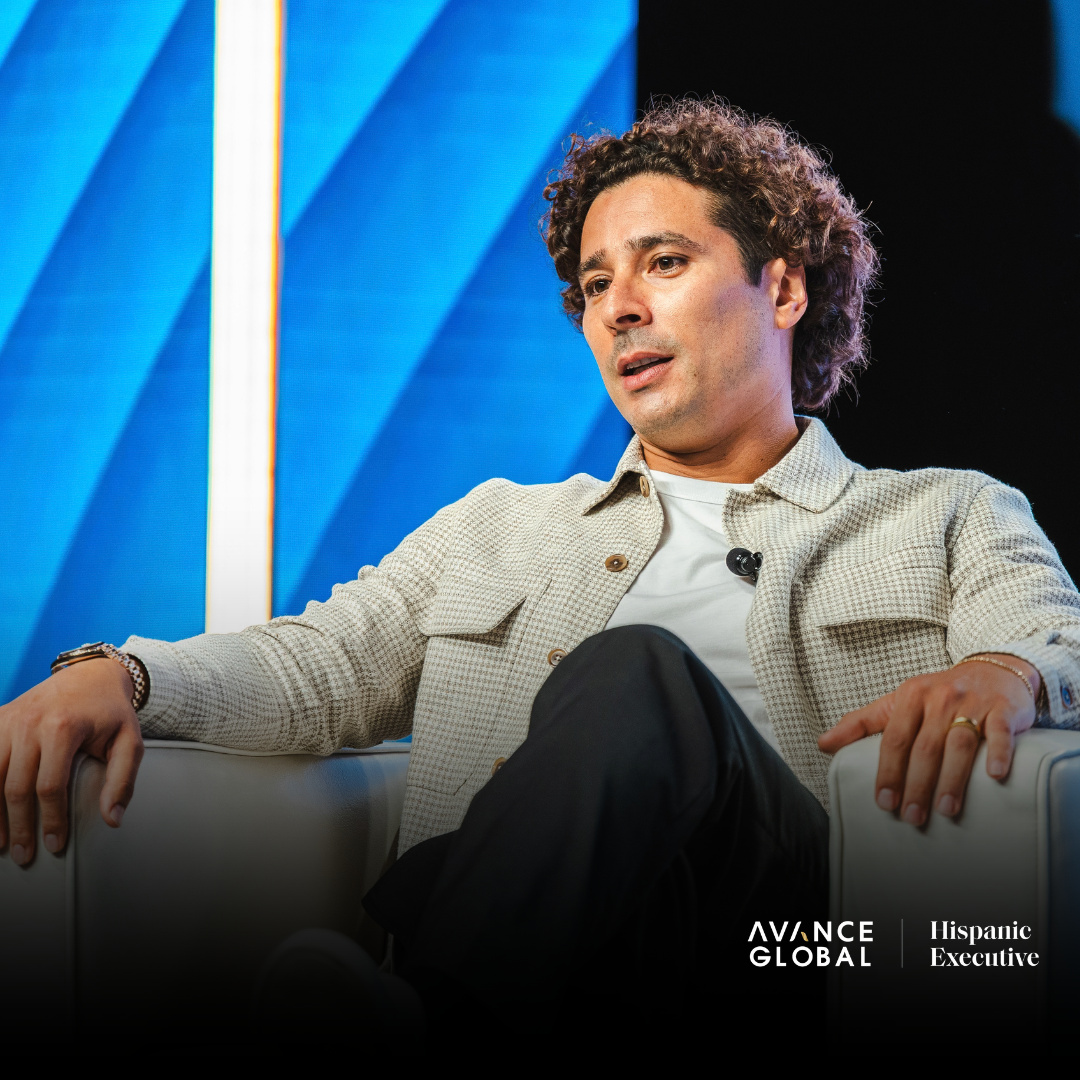
Rather than waiting for retirement to dictate his next moves, the veteran goalkeeper has spent recent years laying the groundwork for his future as an entrepreneur and investor. He is preparing to play a entirely new set of games—this time, without a ball at his feet, or rather, safely secured in his hands.
"It’s something I started building a while ago, preparing for life after my career and looking for different types of investments," Ochoa notes.
Among these entrepreneurial and philanthropic endeavors is One Sport, an ambitious initiative that originates on the athletic field but is designed to reach far beyond the confines of a stadium. The project addresses a systemic gap in youth athletics, particularly for talented youngsters who might otherwise slip through the cracks of traditional talent identification systems.
"So much attention goes to professional soccer, but underneath it there is a huge community of kids who play and sometimes don’t have the opportunity to be seen," Ochoa observes. "They don’t have a clear path if they want to become professionals someday."
Redefining Success Beyond Professional Contracts
While One Sport engages with the world of soccer, Ochoa’s definition of success within the initiative refreshingly transcends the traditional goal of minting professional athletes. In a sporting culture hyper-fixated on finding the next superstar, the veteran goalkeeper maintains a remarkably grounded perspective on what truly matters in youth development.
"Everyone wants to go pro. Not everyone will," Ochoa acknowledges with pragmatic wisdom. "কিন্তু if you help a kid who might otherwise be out on the street […] or help them get on a path toward a serious job, well, that’s already a success story."
By focusing on mentorship, discipline, and alternative pathways for youth, Ochoa’s post-career ventures aim to channel the transformative power of sports into tangible social mobility. It is an approach born from maturity—recognizing that while a clean sheet is celebrated on Saturday, building a resilient community provides enduring value every day of the week.
Focusing on Legacy Above All Else
As Memo Ochoa stands at the threshold of a new phase in his life, his tone is notably reflective, mature, and deeply grateful. Records and statistics, by their very nature, are meant to be challenged and eventually broken. Someday in the future, another gifted Mexican goalkeeper may emerge to surpass his milestones, playing not six, but seven World Cups, or capturing trophies with even more of Europe’s most storied clubs.
For Ochoa, however, the numbers etched into record books are secondary to the intangible impact he leaves behind. His focus today is firmly fixed on legacy—not just as an athlete of historic proportions, but as a human being committed to bettering the world around him.
"The same thing I did as a player: leave a legacy," Ochoa reflects. "Now, as a person, I want to leave a legacy through sports, something that, someday, people can remember me for: as someone who helped through sports, who tried to improve society and the community—or at least tried to."