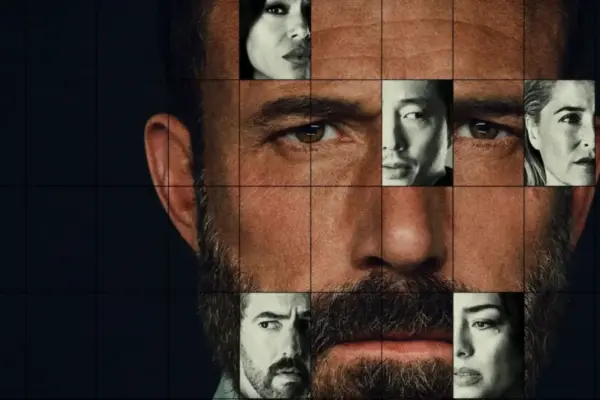

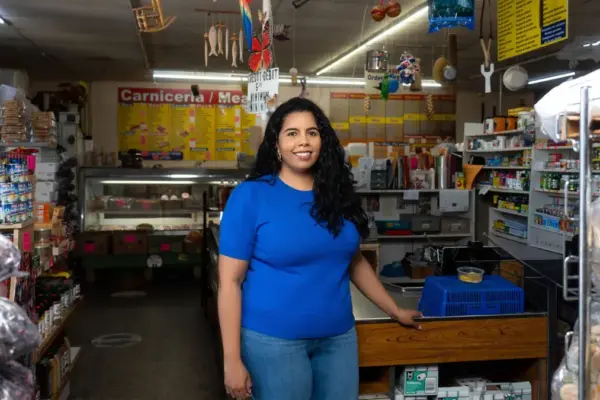








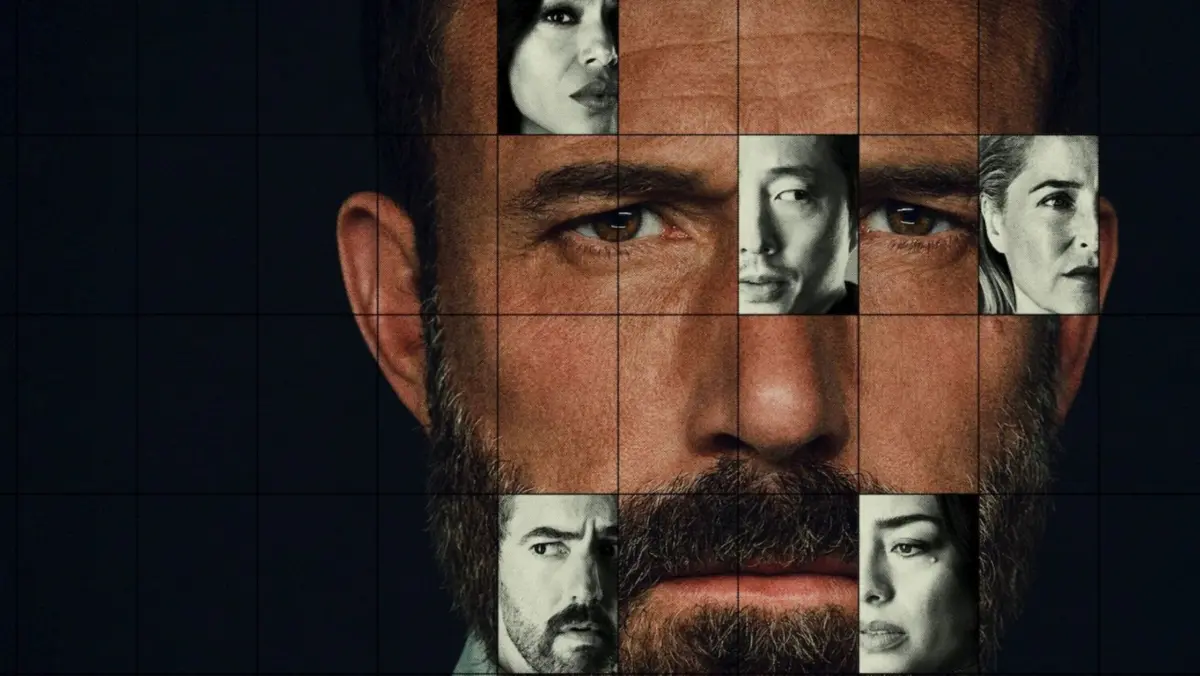
Ben Affleck recently sat down for an in-depth conversation with veteran journalist Jorge Ramos to discuss his latest directorial project, the Netflix feature film Animals. During the interview, Affleck made it clear that this project was never intended to be a detached, purely commercial creative exercise. Instead, the film represents a deeply personal and socially conscious exploration of identity, dignity, and the immigrant experience in the United States. Speaking on Ramos’s digital show, Affleck reflected on the broader socio-political climate surrounding immigration, revealing that the production of the film was unexpectedly and profoundly impacted by real-world events playing out on the streets of Los Angeles.
At the center of Animals are two Mexican characters, Luis and Adriana, whose struggles and triumphs form the emotional core of the narrative. Affleck told Ramos that the United States is fundamentally a country of immigrants, noting that his own family and background inform his perspective on the subject. For the Oscar-winning filmmaker, the story of Luis and Adriana is not a peripheral narrative or a niche storyline; rather, it reflects the broader, ongoing story of the United States itself. This conviction guided every major decision Affleck made while directing and co-writing the film, giving him a clear sense of purpose despite the obvious risks associated with tackling such a charged topic in the current political environment.
He Knew Making This Film Was a Risk and He Made It Anyway
From the outset, Affleck was entirely transparent about the fact that centering a major film on the dignity and humanity of immigrant characters is a calculated risk in today’s cultural and political landscape. However, he emphasized that he chose to take that risk deliberately because the topic demanded urgent attention. He explained to Ramos that his primary creative goal was to portray immigrants as three-dimensional people with dignity, ensuring they serve as the undisputed protagonists of their own stories rather than reduced to mere supporting players in someone else’s narrative. Affleck felt that the relevance of the moment made it impossible to look away from the moral responsibility that comes with having a prominent platform to tell such stories.
Furthermore, Affleck addressed a long-standing perception deeply entrenched within the mainstream film industry regarding English-language audiences and their alleged resistance to subtitles. He pushed back against the widely held commercial assumption that non-Spanish-speaking audiences strongly prefer stories delivered entirely in English and will automatically disengage from productions that require reading subtitles. By moving forward with the film regardless of these industry conventions, Affleck demonstrated his belief that the social relevance of the story and the absolute necessity of representing the immigrant experience with honesty and authenticity far outweighed any traditional commercial calculations regarding subtitle preferences or box-office demographics.
ICE Was Operating on His Filming Locations and the Script Was Playing Out in Real Life
The interview between Affleck and Ramos unfolded against the backdrop of an intense, ongoing national debate concerning U.S. immigration policy, border enforcement, and the tangible impact of Immigration and Customs Enforcement (ICE) operations on Latino communities across the country. Animals enters this charged cultural dialogue precisely at a moment when the historical distance between scripted fiction and harsh reality has narrowed considerably.
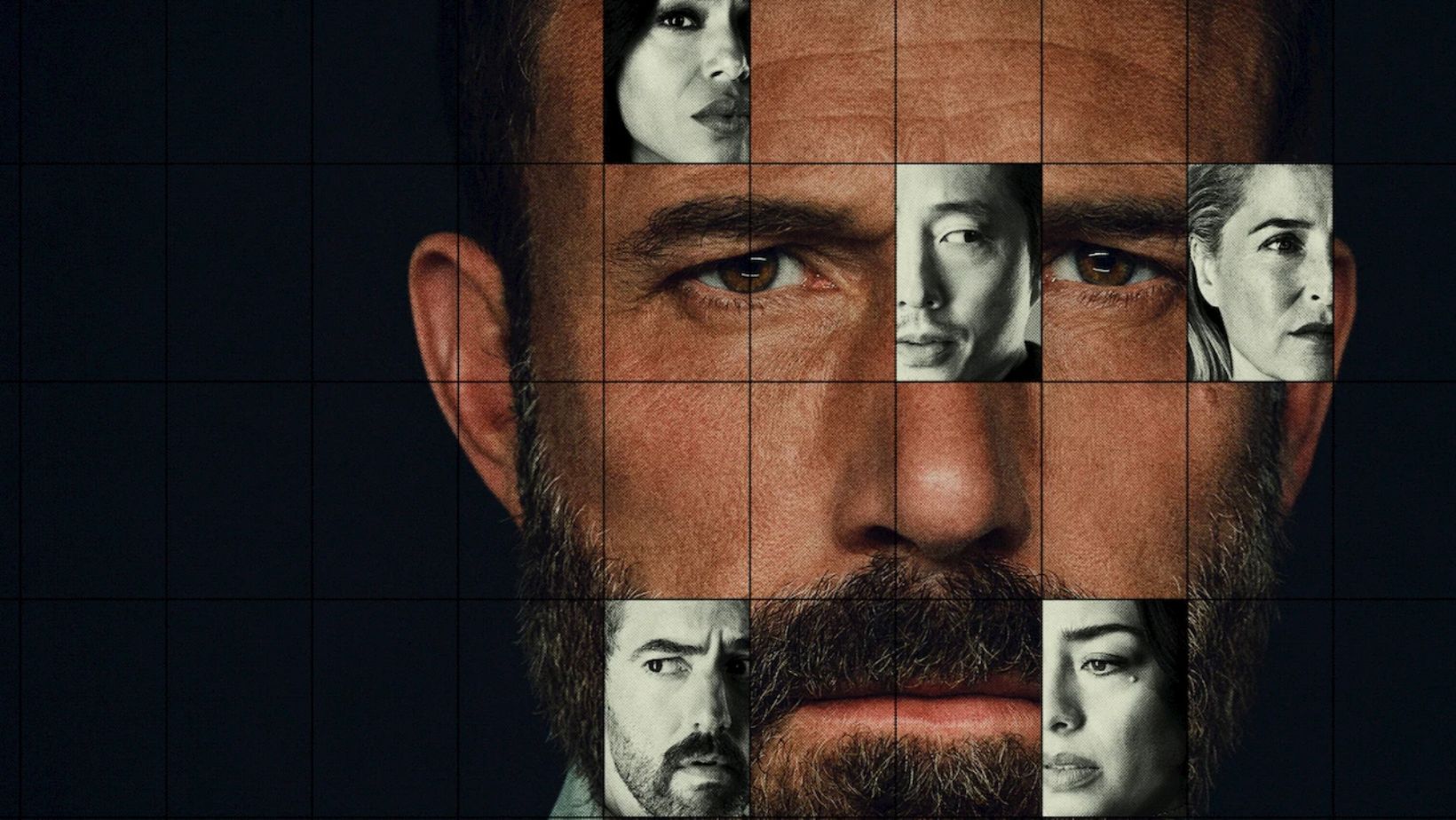
Affleck recounted specific, tense days during the production in Los Angeles when the film crew was forced to temporarily suspend shooting because active ICE operations were actively taking place in the immediate neighborhoods where they were working. Describing the experience, Affleck noted that watching the dramatic situations outlined in the script play out in real life right outside their production trailers was nothing short of extraordinary. This jarring collision of fiction and reality on the same streets at the exact same time provided the production with an undeniable sense of gravity and urgency.
This surreal intersection of art and life significantly heightened Affleck’s awareness of his responsibility to get the immigrant characters right. It was largely because of this acute awareness that he made the deliberate creative choice to empower his Mexican lead actors, Adriana Paz and Luis Gerardo Méndez, by handing them the pen and allowing them to write their own dialogue. Rather than relying solely on pre-written lines that might miss cultural nuances, Affleck wanted the conversations on screen to be genuinely authentic, reflecting the true lived experiences of the actors and the communities they represent.
He Said This Is a Country of Immigrants and His Family Proves It
Affleck’s passionate connection to the subject of immigration is far from incidental; it serves as the foundational reason why he chose to champion this project at this particular juncture in his career. He explicitly told Ramos that his own people and his family are immigrants, reinforcing his belief that the trajectory of the characters in Animals mirrors the broader narrative of the United States. In his view, America’s national identity has always been dynamically shaped by individuals who arrived from foreign shores to build their lives and futures within its borders.
This deeply personal framing is backed by a robust professional framework. Produced in association with Artists Equity—the artist-first studio Affleck co-founded alongside longtime collaborator Matt Damon—Animals features a high-profile ensemble cast. The film stars acclaimed actors Kerry Washington, Gillian Anderson, Steven Yeun, and Ray Fisher alongside its talented Mexican leads, bridging diverse cinematic traditions. Affleck undertook this ambitious project with the full awareness that the film would enter a public conversation that is already deeply polarized and intensely personal for millions of viewers across the nation. Animals is currently streaming on Netflix, inviting audiences to engage with its timely themes and powerful performances.