

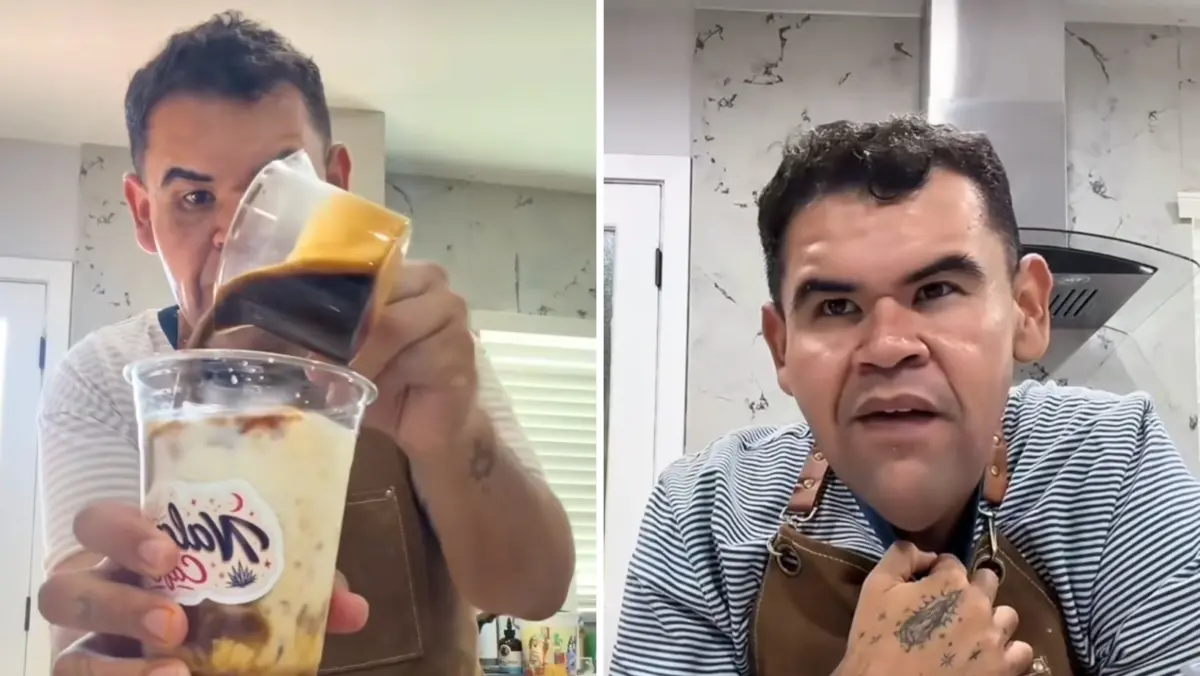
Jesus Zapien, the digital creator widely recognized across social platforms as Jesus Nalgas, built his substantial following by chronicling the nuanced realities of working-class Hispanic and Mexican family life. Through relatable comedy sketches and slice-of-life storytelling, he managed to forge a deep connection with a Latino audience that frequently finds itself underrepresented or generalized in mainstream media spaces. However, the trajectory of a content creator who once represented his community with authenticity has taken a sharp turn. The events surrounding Zapien and his business ventures have ignited a sweeping public backlash, driven largely by decisions that observers say he brought entirely upon himself.
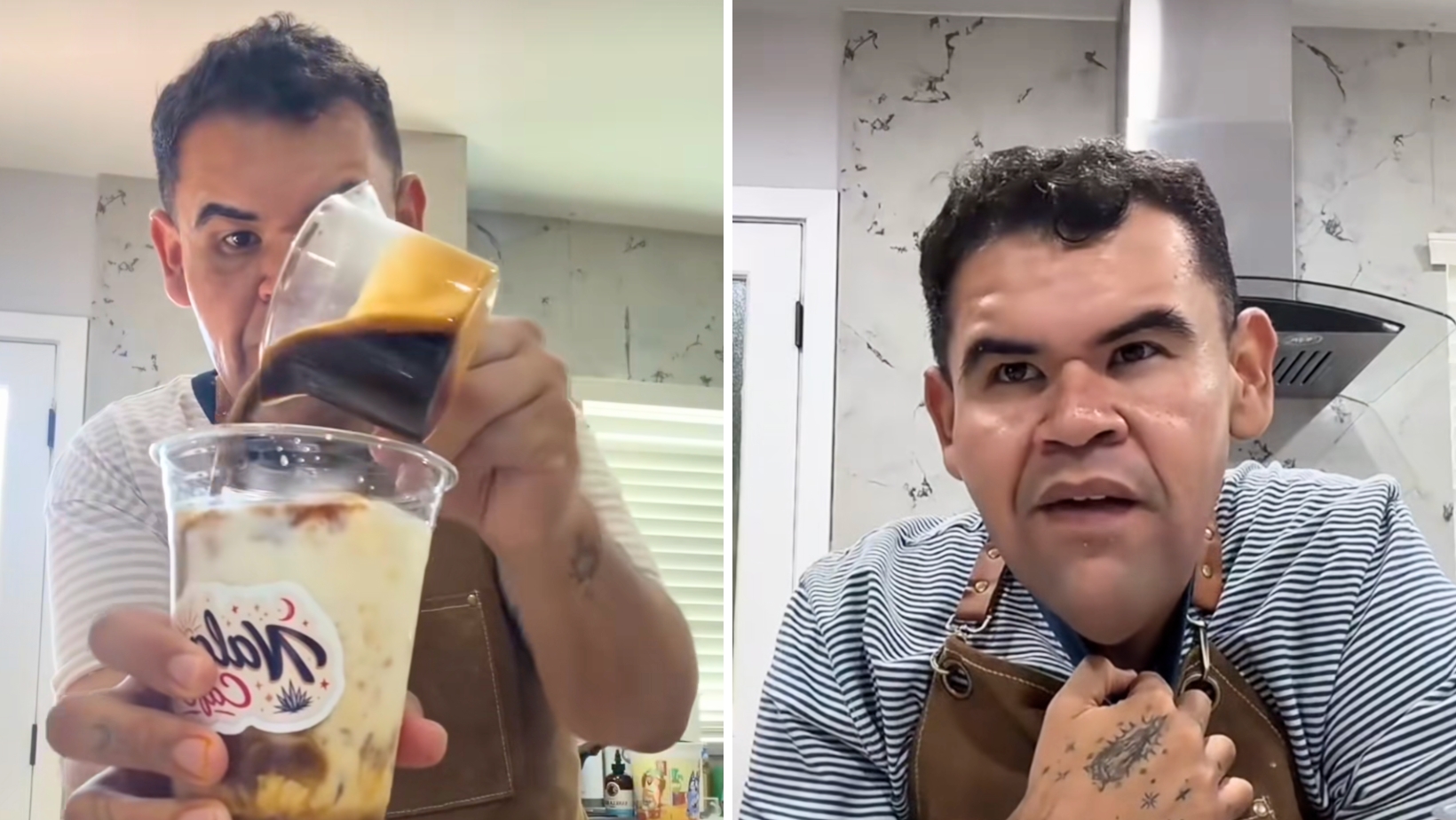
The controversy centers around Nalgas Cafe, a home-based coffee enterprise operated by Zapien out of his residence in Downey, California. Recently, a customer named Natalie visited the establishment and was so impressed with her experience that she posted a glowing, five-star review on TikTok. The video quickly gained massive traction, eventually surpassing one million views and bringing unprecedented digital attention to the local business. Rather than celebrating the organic promotion and expressing gratitude for the enthusiastic support, Zapien responded with hostility. He went on a public tirade, accusing Natalie of clout chasing and publicizing reckless doxxing.
The internet’s response was swift, and the reaction from the very Latino community that had foundationalized his platform was even more unforgiving. What began as a dispute over a viral coffee review quickly morphed into a much larger, critical conversation about Zapien’s changing persona, his attitude toward his fanbase, and a series of past comments that had already strained his relationship with his core audience.
Before Zapien launched his public accusations, Natalie had taken proactive steps to ensure she was respectful of his privacy. After a commenter pointed out that the house number of the Downey residence was visible in the background of her viral video, Natalie did not ignore the potential oversight. Instead, she reached out to Zapien directly via private message. She asked him whether the address showing in the footage made him uncomfortable and explicitly offered to delete the post if it presented any security or privacy concerns.
Zapien chose not to respond to her private outreach. Instead of sending a simple text acknowledging the situation or asking her to take the video down, he allowed the views to accumulate. He then took to a TikTok Live broadcast to publicly castigate Natalie, framing her positive review as a malicious act of doxxing and accusing her of manufacturing the situation for internet clout.
The Doxxing Accusation That Collapsed Under Scrutiny
The public reaction to Zapien’s live broadcast was almost universally critical, built on an argument so straightforward it required no legal expertise to evaluate. Nalgas Cafe operates openly out of a private residential property in Downey, complete with a large, promotional business sign planted firmly on the front lawn. Positioned directly facing a main boulevard, the sign was placed there by Zapien himself specifically to attract passing traffic and customers to his public-facing commercial venture.
Furthermore, Zapien had a well-documented history of posting TikTok videos showcasing the exact same exterior of the house. He had even previously reposted other customer reviews that displayed the identical street view and house features without ever raising privacy concerns or lodging complaints. The foundational premise of his argument—that a patron filming the exterior of an active commercial enterprise featuring a massive roadside advertisement constitutes doxxing—collapsed under its own logical contradictions before he even finished articulating it.
As commentary channels and independent TikTok users dissected the interaction across multiple platforms, the situation devolved into widespread mockery. Other creators began producing parody content, finding the notion of a business owner verbally berating a customer over a five-star review too absurd to ignore.
Beneath the immediate shock of the video, comment sections on various reaction channels began to fill with personal anecdotes from individuals claiming to have encountered Zapien in real life. Multiple users described past interactions with the creator as unpleasant, suggesting that his public attack on Natalie was not an isolated lapse in judgment, but rather indicative of how he behaves away from the curated angles of his promotional videos.
The ‘White People Money’ Controversy That Fueled the Backlash
Long before the altercation with Natalie unfolded, Zapien had already begun alienating segments of the community that initially propelled his digital rise. Months prior, he made remarks referencing "white people money" in connection with his commercial ambitions, including the launch and expansion of Nalgas Cafe. To his audience, these comments signaled a conscious effort to distance himself from his working-class roots now that he had achieved a degree of financial success and internet notoriety.
For an audience that had supported him precisely because of his authentic representation of working-class Latino life, the commentary felt like a stark betrayal of values. It raised uncomfortable questions about where his priorities were shifting as his follower count grew.
The underlying implications of the phrase "white people money" within the context of a Latino creator’s business model point to a deeper discomfort. A dollar holds the exact same value regardless of who spends it. The twenty dollars earned by a working-class Mexican family supporting a creator’s small business spends identically at any register as funds from any other demographic.
By framing financial success or desirable revenue through the racial identity of the spender, commentators noted that Zapien appeared to have absorbed an internalized hierarchy. It is a mindset that has historically devalued Latino economic power, framing Hispanic consumers as a secondary market or a stepping stone rather than a primary, sustainable economic force.
This perspective stands in stark contrast to broader economic realities. Latino purchasing power in the United States is projected to reach $3.4 trillion by 2030, rendering the concept of "white people money" as a superior financial category not only culturally offensive but economically detached from reality.
The working-class Hispanic families whose everyday experiences Zapien repurposed into entertainment are the exact foundation upon which Nalgas Cafe and his entire personal brand were built. Without their support, he would not have possessed the platform necessary to launch a business, nor would a customer review have had the audience reach required to go viral. His loyal fanbase noticed these shifts long before the doxxing controversy erupted.
What Both Incidents Reveal Together
Examined in tandem, the remarks regarding white people money and the public reprimand of a supportive customer tell a cohesive story. They highlight a content creator who appears to increasingly view the community that elevated him as a temporary vehicle rather than a permanent foundation.
Zapien did not build his massive following in spite of his Latino identity, but because of it. His cultural specificity resonated deeply with an audience that rarely sees its daily experiences centered in mainstream digital spaces. Treating that same audience as a stepping stone rather than an anchor represents a profound disconnect, and viewers have been quick to call out the contradiction.
Natalie went out of her way to leave a glowing review for a local business and took the extra step of reaching out privately when potential privacy concerns arose. For her proactive consideration, she was met with public hostility and online humiliation. The digital community that witnessed the exchange, already primed by months of unease surrounding his previous financial comments, has drawn lasting conclusions about the creator’s conduct.