




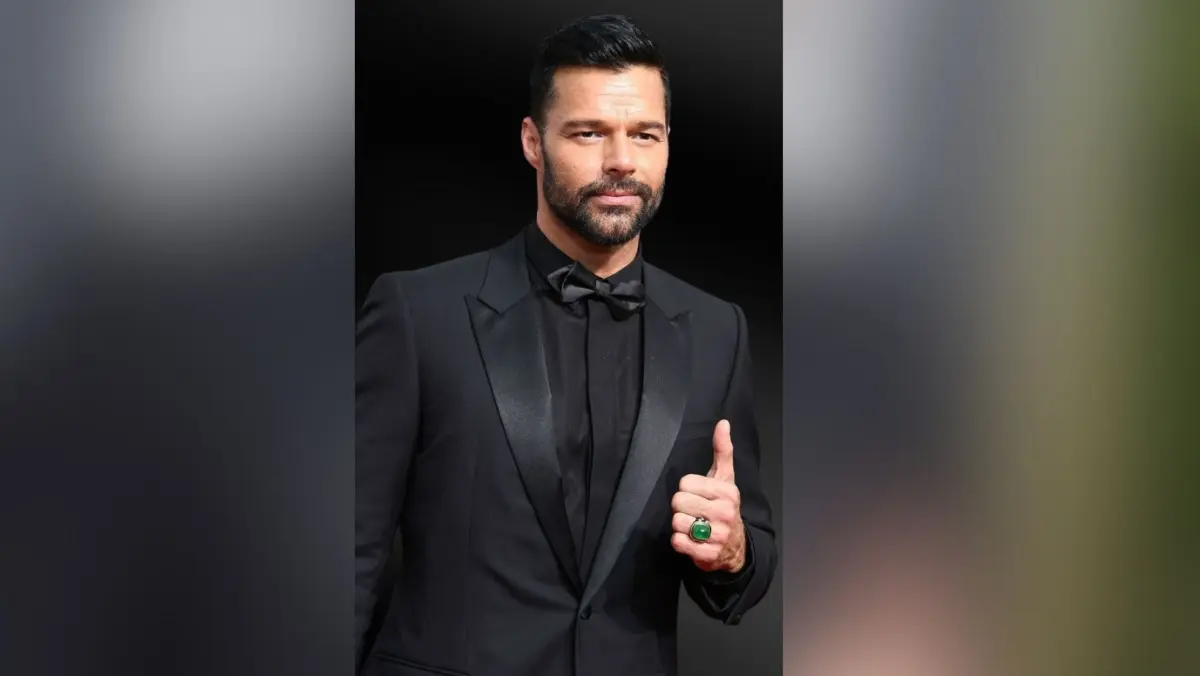

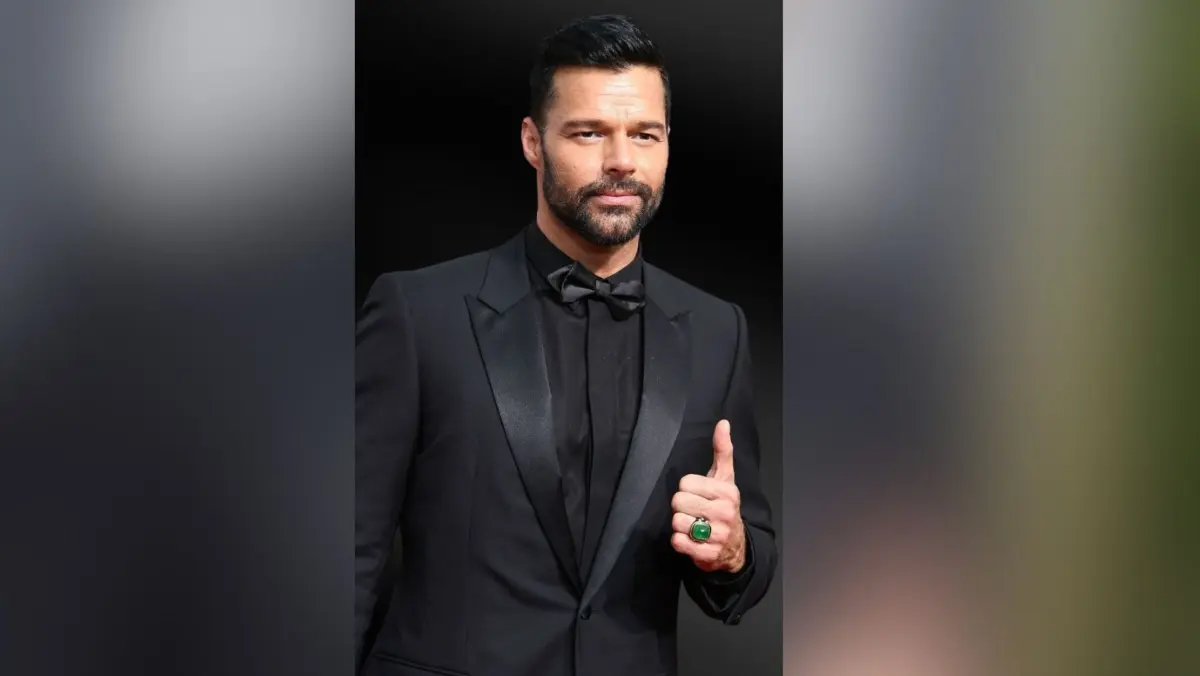
The 83rd Venice Film Festival has drawn international attention not only for its fierce competition slate, but also for its vibrant showcase of Latin American talent across various sections of the prestigious event. Among the most talked-about international arrivals at this year’s Mostra—which runs from September 2nd through September 12th—is Puerto Rican global icon Ricky Martin. The 54-year-old singer and actor arrived at the historic Italian festival as a member of the ensemble cast of Hombre al Agua, the highly anticipated new film directed by acclaimed Mexican actor and filmmaker Gael García Bernal.
Screening out of competition at the iconic Lido, Hombre al Agua has quickly become one of the festival’s cultural highlights. While other major Latin American cinematic forces, such as Penélope Cruz and Javier Bardem, vie for top festival honors with their competing film Bunker, Martin’s presence in Venice has underscored the multifaceted nature of his storied career. Sitting down with the Spanish news agency EFE on the occasion of the film’s screening, Martin spoke with the candor and openness that have increasingly defined how he discusses his creative journey. He described storytelling as his ultimate refuge—the sacred space where he feels most authentically himself, regardless of whether he is expressing that narrative through a microphone, a theater stage, a book, or the silver screen.
Hombre al Agua weaves a complex, layered narrative centered on a Cuban lifeguard whose entire existence shifts dramatically after he rescues a wealthy Mexican businessman. Following the rescue, the protagonist goes to work for the businessman and eventually marries his daughter. However, as the plot thickens, he discovers that his seemingly idyllic new life is built on illusions and is far from what it appears to be. Gael García Bernal takes on the dual responsibility of directing the feature and starring as the Cuban lifeguard. Meanwhile, Martin steps into a fascinating supporting role, portraying an actor who is specifically hired by the protagonist’s wife to portray her husband in a biographical production.
This intricate, self-referential concept—essentially a film within a film—clearly resonated with Martin’s artistic sensibilities. Over the course of his decades-long career, the performer has frequently gravitated toward projects that challenge conventional boundaries, encouraging audiences to question the nature of identity, performance, and truth.
The Role That Only Took One Day to Film
Despite the profound thematic resonance of Hombre al Agua and its layered narrative structure, Martin’s actual time in front of the cameras for the production was remarkably brief. The artist revealed that his scenes were completed in a single, intense day of filming. He shared this detail with a palpable enthusiasm, emphasizing that the brevity of the shoot did not diminish the richness of the creative experience in the slightest.
Describing the overall production as genuinely fun, Martin was quick to praise Gael García Bernal’s leadership style in the director’s chair. He credited García Bernal with creating an environment that fosters artistic freedom, allowing actors the space to play, experiment, and contribute organic ideas while simultaneously maintaining the disciplined structure necessary to keep a professional film production moving forward. When initially approached about the role, Martin noted that the decision was never in question. It was an opportunity he immediately recognized as something he would never have considered turning down.
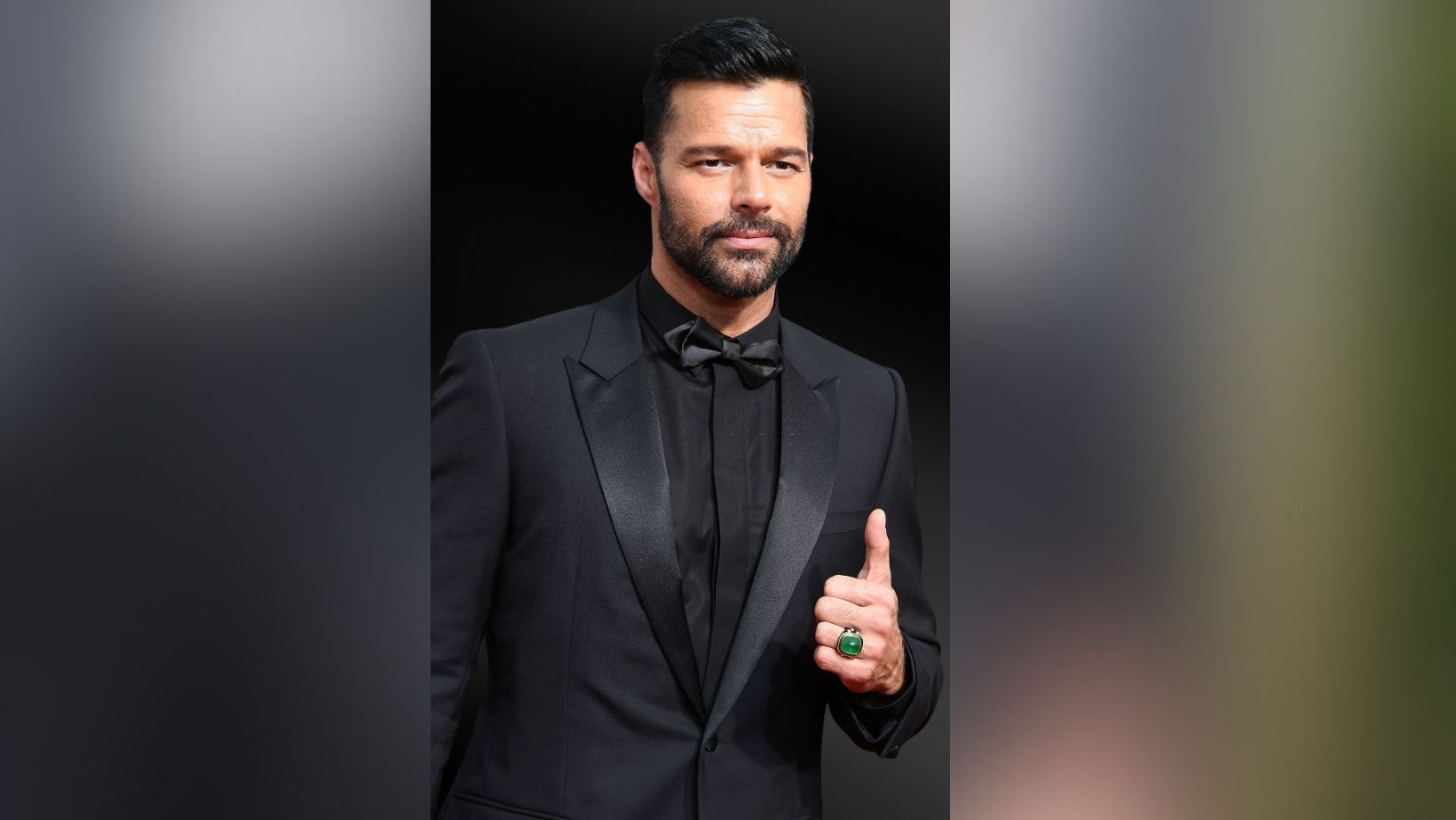
Reflecting on the final cut of the movie, Martin noted that Hombre al Agua continues to reveal new layers and offer fresh insights every time he watches it. This quality, he suggested, distinguishes masterfully crafted narratives from simpler productions, as they richly reward repeated viewings. For a performer who has spent three decades successfully navigating the rigorous demands of the global music industry, television, and film across multiple languages and international markets, the ability to instantly identify a project of such depth and commit to it without hesitation is both a finely honed professional skill and a deeply personal responsibility.
Storytelling as the Thread That Runs Through Everything
To fully appreciate Martin’s trajectory from international pop royalty to a respected dramatic actor and multi-hyphenate creator, one must examine his overarching philosophy on narrative. His description of storytelling as his ultimate refuge serves as an essential framework for understanding a career that has consistently defied easy categorization. Moving fluidly across distinct genres, languages, and artistic disciplines, Martin has continually pushed against the boundaries of what is expected from a traditional entertainment figure.
During his conversation with EFE in Venice, Martin emphasized vulnerability as the foundational key to convincing an audience of something lived or witnessed. He articulated a clear creative philosophy: the ultimate goal of his work is not merely to entertain, but to initiate a genuine, empathetic conversation with the audience through shared emotional exposure. As the creative force behind some of the most recognizable global pop anthems in modern music history—including infectious worldwide hits such as “María,” “La Copa de la Vida,” and “Livin’ la Vida Loca”—Martin has spent years proving through deliberate career choices that his artistic ambitions extend far beyond the concert stage. His prominent presence at the Venice Film Festival alongside creative peers like Gael García Bernal serves as yet another powerful data point in that ongoing evolution.
Martin expressed a relentless desire to continue seeking out compelling stories, bringing them to life, and making the experiences of other people his own. For him, music, film, theater, and literature are not isolated silos, but rather equally valid, interchangeable containers for that singular creative impulse. Whether he is publishing books, performing demanding roles on the theater stage, or accepting thoughtfully curated film parts, every endeavor feeds the exact same creative hunger. Martin speaks about this seamless continuity with a relaxed ease, suggesting that he left behind any need to justify the remarkable range of his artistic interests a very long time ago.
On Parenthood and Staying Open
Beyond his reflections on cinema and global storytelling, one of the most resonant moments of Martin’s dialogue with EFE centered on his personal life and the profound influence of parenthood. Discussing the ways in which his children keep him intellectually and emotionally grounded, Martin reflected on how much he has changed over the years. He noted candidly that the decisions he made a decade ago bear little resemblance to the choices he makes today, attributing a significant portion of that personal evolution to the daily recalibration required by fatherhood.
His children, he explained, regularly present him with fresh perspectives, unexpected questions, and unique stories that challenge his existing assumptions in ways he could never have anticipated. Rather than clinging to established patterns, Martin described actively embracing these challenges as vital opportunities for growth. Artists, he observed, can occasionally fall into the trap of becoming extremely rigid in their thinking and routines, making the conscious effort to stay open both a creative and a personal necessity.
The 83rd Venice Film Festival—showcasing a rigorous, highly anticipated lineup of cinema from around the globe—provided an ideal backdrop for Martin to articulate this philosophy. His spontaneous willingness to spend a single day filming a supporting role in an independent-minded project simply because the creative invitation felt intuitively right is a living expression of that openness. As the conversation surrounding his artistic priorities continues to grow in the wake of the festival, it is clear that Martin’s creative instincts remain as sharp and daring as ever.