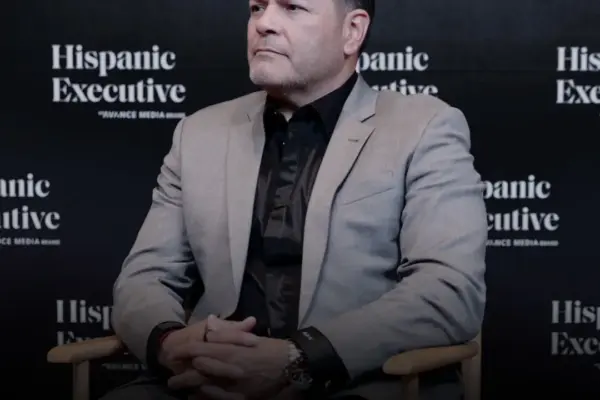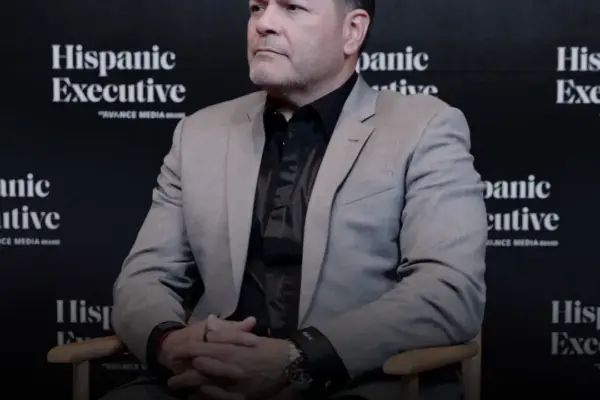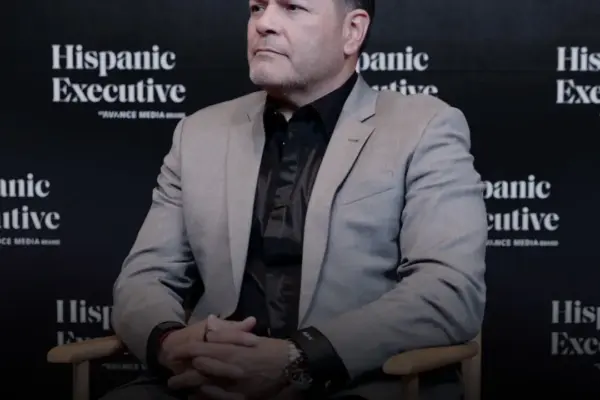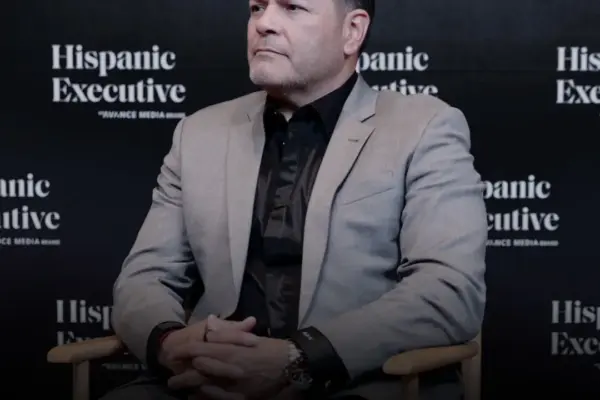











When discussing the architectural blueprints of modern sports business and high-stakes media transactions, few names carry the weight of Don Cornwell. As the co-founder and CEO of Dynasty Equity, Cornwell has spent decades operating at the highest echelons of corporate finance, media, and professional athletics. His professional resume reads like a masterclass in blockbuster dealmaking: he has been directly involved in landmark transactions such as the sale of the Buffalo Bills, the high-profile sale of IMG to WME, the complex recapitalization of the Pittsburgh Steelers, and the foundational formation of Major League Baseball Advanced Media. Furthermore, his strategic acumen has been sought out by major institutions, including serving as a trusted strategic adviser to both the National Football League and the National Basketball Association.
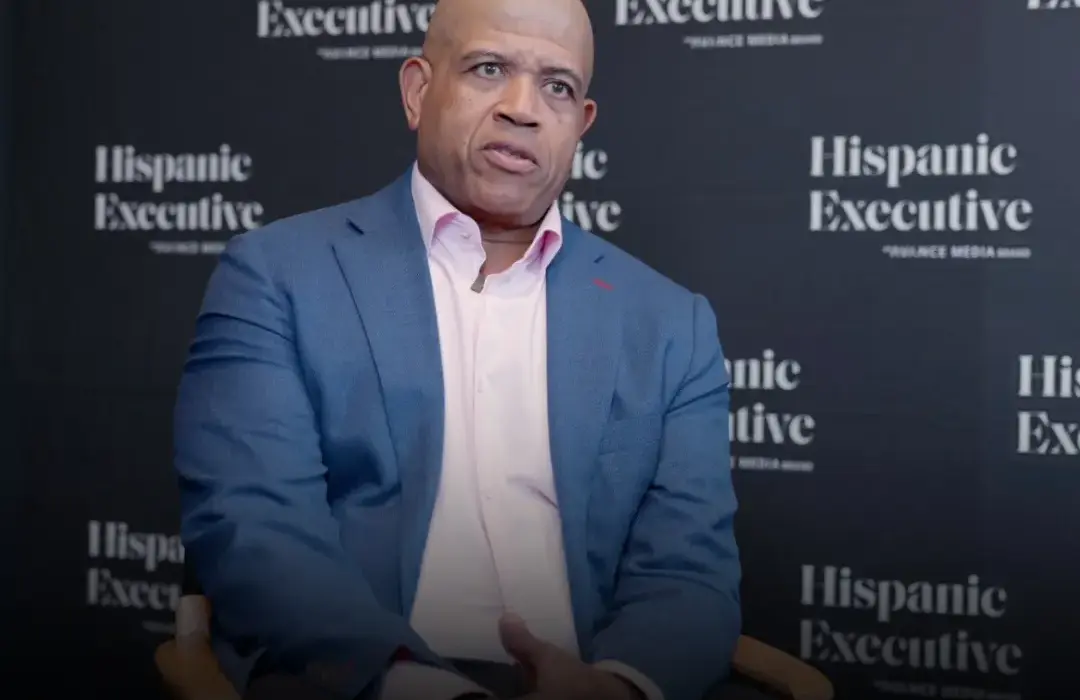
Yet, despite an illustrious career defined by reshaping how global sports franchises and media agencies operate, Cornwell remains remarkably grounded. During a recent appearance at AVANCE Global 2026, held at the luxurious Bellagio in Las Vegas, Hispanic Executive sat down with the veteran executive to discuss the philosophy behind his success and what he believes sets elite dealmakers apart in an increasingly crowded and automated marketplace.
When asked what he does better than anyone else in his specialized lane, Cornwell characteristically chose to take the high road, deflecting individual praise to honor the broader ecosystem of talented professionals working alongside him.
“It’s hard for me to say that I’m doing anything better than anyone else; there are lots of great people in my industry,” Cornwell reflects. “All I can say is what I do and how I conduct business.”
The Power of Being in the Room
Delving deeper into what distinguishes his approach in a competitive industry, Cornwell points to a fundamental principle that has anchored his career from the very beginning: the absolute necessity of physical presence. For Cornwell, true business is built where the action is, where authentic relationships are forged, and where transformative deals organically materialize. This commitment to showing up in person is precisely what brought him to the floors of AVANCE Global 2026.
Reflecting on shifts in workplace culture over recent years, Cornwell observes that while remote technology became a necessity during the COVID-19 pandemic, the over-reliance on virtual platforms has inadvertently made the traditional art of in-person engagement a rare and highly prized commodity. While much of the corporate world has grown comfortable conducting business strictly through Zoom calls and digital presentations, Cornwell maintains that virtual environments inherently lack the nuance and chemistry required for enduring partnerships.
“Flying out to conferences, being in the room with people, and shaking hands leads to good things because it helps you develop relationships,” Cornwell emphasizes. “Especially in the world of AI, I think those who have that capability are going to be at a real premium.”
As artificial intelligence and automated systems increasingly streamline analytical tasks, data processing, and preliminary communications across the financial and legal sectors, Cornwell believes the human element—specifically trust, emotional intelligence, and spontaneous connection—will become the ultimate differentiator for successful executives and investors.
Serendipity and the Art of the Accidental Meeting
This philosophy was neatly underscored by an ordinary moment during his time at the conference. Although Cornwell was formally invited to AVANCE Global as a keynote speaker and featured guest, he notes that navigating the venue’s halls, greeting colleagues, and running into acquaintances is frequently just as valuable as any scheduled panel or boardroom presentation.
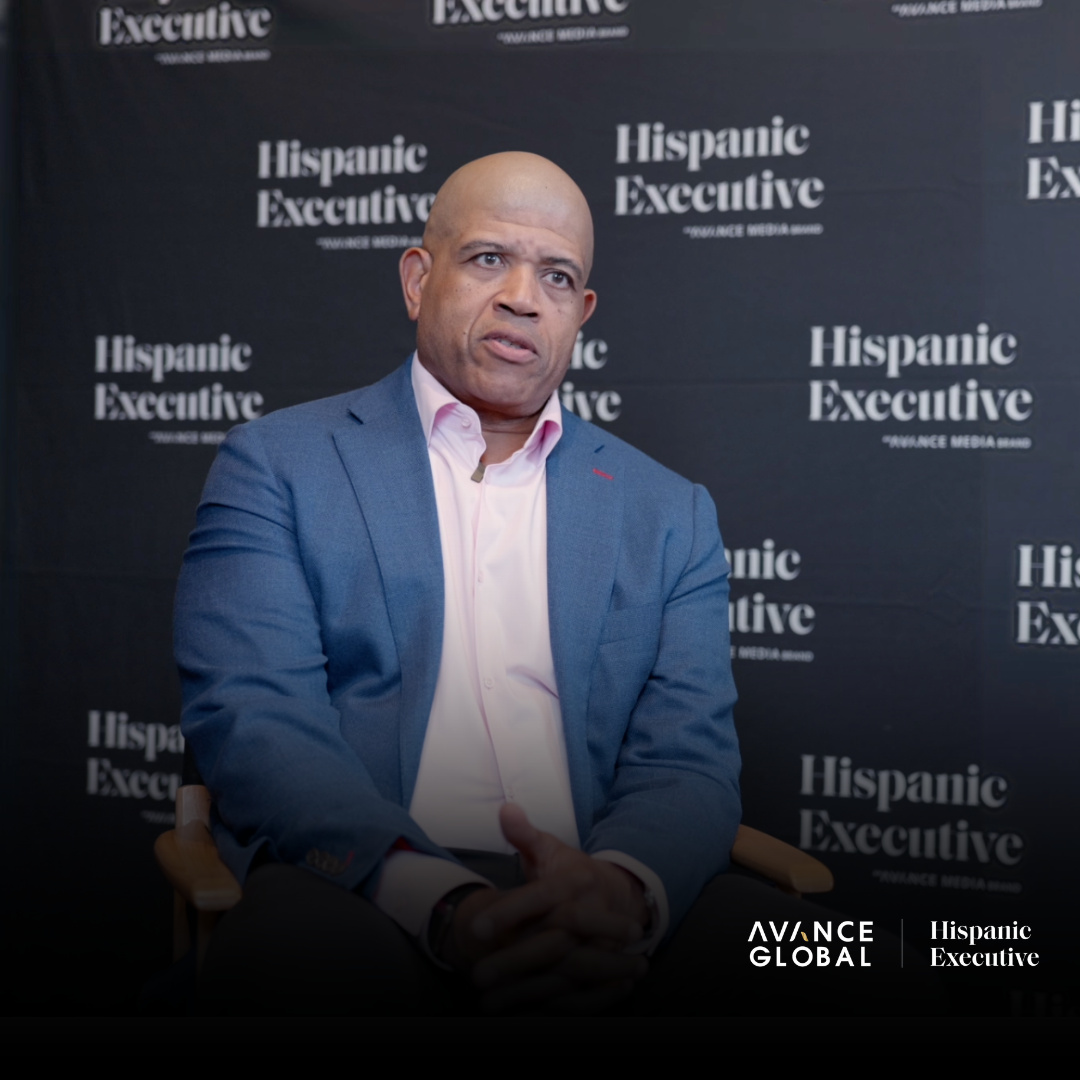
Illustrating this point, Cornwell recalls a casual encounter that began simply while he was waiting for a cup of coffee. Struck up with a fellow attendee who happened to be doing the same, a brief, friendly exchange of pleasantries quickly evolved into a substantive professional dialogue. Within moments, the two individuals recognized that their respective expertise intersected in a way that could yield tangible business opportunities.
“That is about being in the room,” Cornwell notes, highlighting the spontaneity that digital communication often strips away. “That doesn’t happen on Zoom. I just love being around so many people who are trying to do something. For me, as a person of color, to see this kind of gathering, 7,000 people, most of whom do things that have nothing to do with sports—I just love it.”
The scale and diversity of gatherings like AVANCE Global represent a broader evolution in the business landscape, bringing together professionals from disparate industries who share a common drive for innovation and leadership. For an executive who has spent decades breaking barriers in spaces where representation has historically been limited, witnessing the sheer concentration of ambitious professionals of color is both inspiring and a testament to the changing face of global commerce.
Bridging the Gap Between Fandom and Finance
When the conversation shifts specifically to the multi-billion-dollar world of sports investment, Cornwell offers a pragmatic piece of advice for ambitious younger professionals eager to break into the industry. A common pitfall he observes among aspiring executives is a desire to dive headfirst into sports management purely out of a passion for the games themselves.
While enthusiasm for athletics is a natural starting point, Cornwell argues that it should never supersede fundamental business acumen. Professional sports teams, leagues, and media conglomerates operate first and foremost as massive, complex enterprises. Consequently, decision-makers within these organizations look for candidates who bring hard, transferable skills in finance, operations, strategy, and commerce.
Cornwell’s own trajectory into the sports sector serves as a prime example of this principle. He did not follow a linear path designed exclusively around athletic franchises or stadium financing. Instead, he built a rigorous foundation in traditional corporate finance before ever negotiating a sports-related contract.
“I was trained classically as a finance person; I wasn’t trained on sports deals,” Cornwell explains. “I was doing big chemical deals, industrial deals, retail deals, and casino deals. I found my way to sports when I realized I had core skills in dealmaking.”
By mastering the foundational mechanics of capital allocation, valuation, and corporate structuring across various sectors, Cornwell developed a versatile toolkit that allowed him to transition seamlessly into the specialized niche of sports business when the right opportunities arose. His career illustrates that the most effective leaders in sports investment are those who understand the universal language of business, risk management, and value creation.
As the financial landscape continues to evolve alongside technological advancements like artificial intelligence, Cornwell’s philosophy remains a steady compass for the next generation of leaders. Whether navigating complex recapitalizations, advising league commissioners, or simply striking up a conversation over a cup of coffee in a crowded Las Vegas hotel lobby, the veteran executive proves that enduring success ultimately relies on showing up, mastering your craft, and valuing the irreplaceable power of human connection.