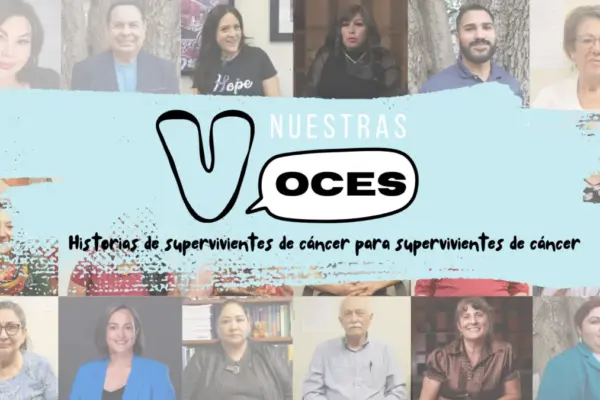












In recognition of Hispanic Heritage Month, health advocates are drawing urgent attention to a pressing public health concern: the disproportionate impact of liver cancer on the Latino population in the United States. A collaborative initiative between Salud America! and the Prevent Cancer Foundation has brought renewed focus to statistics showing that Latinos face significantly higher risks, later-stage diagnoses, and poorer outcomes from liver cancer compared to the general U.S. population.
According to data highlighted by public health organizations, one in five people diagnosed with liver cancer in the United States is of Latino descent. Furthermore, Latino individuals are frequently diagnosed at more advanced stages of the disease and experience higher mortality rates than other adult populations nationwide. Federal data from the U.S. Department of Health and Human Services Office of Minority Health reveals stark disparities along gender lines: Latino men are 53% more likely to be diagnosed with liver cancer than men overall, while Latinas face a 72% increase in risk compared to Latina women in the broader demographic.
Compounding these concerning figures is an emerging trend among younger generations. While liver cancer rates have generally stabilized or declined across other demographic groups, they have been steadily rising among Hispanics and Latinos under the age of 50. Dr. Amelie Ramirez, director of Salud America! and associate director of Community Outreach and Engagement at the UT Health San Antonio MD Anderson Cancer Center, pointed to this shift as a critical area of concern for public health professionals striving to understand the underlying drivers of the disease.
Understanding Liver Cancer and Its Primary Manifestations
Liver cancer originates in the cells of the organ, which plays a vital role in maintaining bodily functions by aiding digestion, supporting healthy blood flow, and breaking down essential nutrients. The disease develops when abnormal cells within the liver multiply more rapidly than normal cells, eventually forming masses of tissue known as tumors.
The most prevalent form of the disease is hepatocellular carcinoma, commonly referred to as HCC. This specific type of liver cancer most frequently manifests in individuals who suffer from chronic liver conditions, such as cirrhosis resulting from long-term hepatitis B or hepatitis C infections. Because these chronic viral infections often develop silently over many years without immediate symptoms, individuals may not realize their liver health is compromised until the disease has progressed significantly.
The Role of Non-Medical Drivers of Health in Cancer Disparities
Public health researchers emphasize that biological factors alone do not explain the heightened vulnerability of Latino communities. Non-medical drivers of health—often referred to as social determinants—play a profound role in shaping health outcomes. These drivers encompass the economic, environmental, and social conditions where people are born, grow, live, work, and age.
Many Latino populations experience persistent health gaps driven by systemic barriers, including a lack of regular healthcare access, absence of health insurance, housing instability, transportation challenges, and insufficient household income. These practical hurdles create formidable obstacles to receiving timely medical evaluations and preventive care.
Dr. Ramirez noted that structural and economic barriers directly contribute to delayed medical interventions. Factors such as lacking a primary care physician or health insurance, struggling to afford routine copayments, or being unable to take time away from hourly or inflexible work schedules to attend medical appointments all serve to postpone diagnoses until the disease has reached more advanced, difficult-to-treat stages.
Examining Additional Risk Factors and Occupational Hazards
Beyond broader social and economic challenges, several specific risk factors elevate the likelihood of developing liver cancer, with several of these risks disproportionately affecting Latinos.

Employment patterns represent one notable area of intersection between occupational hazards and health outcomes. A substantial portion of the agricultural and farm workforce in the United States is comprised of Latino workers. In these working environments, individuals may face higher probabilities of occupational exposure to aflatoxins. Aflatoxins are a group of naturally occurring, cancer-causing toxins produced by certain molds and fungi that contaminate agricultural crops, including corn, peanuts, cottonseeds, and tree nuts.
In addition to occupational exposures, underlying health conditions linked to metabolic health are more prevalent within the community. Federal health data indicates that Latino adults are approximately 12% more likely to be medically classified as obese and 13% more likely to live with diabetes compared to U.S. adults overall. Both obesity and diabetes are recognized risk factors that can contribute to chronic liver disease and elevate the long-term risk of developing hepatic malignancies.
Cultural perceptions and healthcare hesitancy also play a role in delayed medical care. Fear surrounding a cancer diagnosis remains a significant barrier within many Hispanic communities. Reluctance to consult a physician out of anxiety regarding a potential diagnosis frequently leads individuals to postpone necessary screenings and medical checkups until symptoms become severe.
Pathways to Prevention, Vaccination, and Early Detection
Although there is currently no routine population-wide screening protocol for liver cancer, health experts emphasize that individuals can take proactive steps to protect themselves and their families. A cornerstone of prevention involves guarding against the hepatitis B and hepatitis C viruses, which remain the leading viral catalysts for liver cancer development.
The hepatitis B vaccine offers robust protection against the virus. While the vaccine series is routinely administered beginning at infancy, adults who were never vaccinated can consult healthcare providers to initiate the series later in life. Additionally, public health guidelines recommend that adults undergo testing for hepatitis B and hepatitis C at least once in their lifetimes. Identifying these infections early allows patients to receive targeted antiviral treatments that can successfully manage the virus and prevent long-term liver damage, including the progression to cancer.
Individuals can also lower their overall risk through lifestyle modifications, such as avoiding tobacco products, limiting or abstaining from alcohol consumption, maintaining a healthy body weight, and practicing safer sex to minimize the transmission of viral infections. Educational resources and bilingual materials concerning early cancer detection and prevention are widely available through advocacy organizations, offering guidance in both English and Spanish.
Addressing Community-Level Health Inequities
Tackling the systemic factors influencing health disparities requires community-level engagement and data-driven advocacy. Public health advocates encourage individuals and local leaders to utilize regional data tools to identify and address health disparities within their specific geographic areas. By examining local metrics related to education, housing, transportation, food access, and healthcare availability, communities can better visualize local needs and advocate for targeted interventions.
Using comparative data and local health assessments can help raise awareness among municipal leaders, inform grant proposals, and mobilize community coalitions aimed at improving health equity. Public health professionals reiterate that overcoming these persistent disparities relies on a combination of community empowerment, widespread viral vaccination, proactive risk reduction, and open dialogue with healthcare providers, reinforcing the fundamental principle that early detection consistently leads to better health outcomes.