









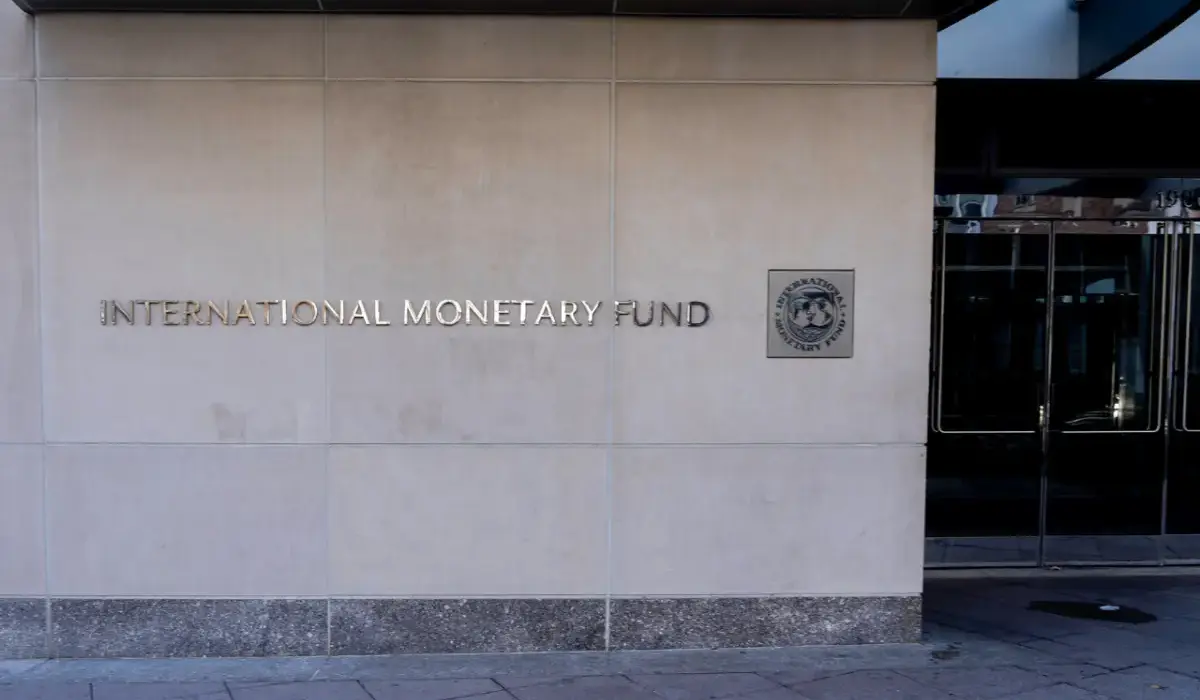
Fresh off the heels of a new technical mission in Buenos Aires, the International Monetary Fund (IMF) has once again voiced strong backing for President Javier Milei’s ambitious economic plan. At the same time, the global financial institution acknowledged the pressing need for economic growth to expand beyond the dominant sectors of agriculture, mining, and energy, ensuring that recovery reaches the broader population and industrial landscape.
Argentina has made significant progress in restoring macroeconomic stability in a very challenging environment marked by what had been historically high debt and staggering inflation, IMF spokesperson Julie Kozack said during her weekly press conference. Kozack highlighted the notable slowdown in inflation since the libertarian government took office in late 2023, pointing alongside this achievement to the hard-won fiscal surplus and the substantial increase in foreign reserve purchases by the Central Bank so far in 2026.
Stabilization is a key foundation for sustainable growth in Argentina, the spokesperson added, emphasizing that fiscal discipline and monetary control remain the cornerstone of the administration’s broader strategy to rehabilitate the South American economy.
Kozack noted that the IMF and the Argentine authorities are closely aligned on two primary objectives regarding the growth front. The first priority is the ongoing need to continue strengthening Argentina’s economic resilience against external shocks and internal market volatility. The second point focuses on the vital acknowledgment that it is important to ensure that growth, which so far has been very much concentrated in the energy, mining, and agricultural sectors, broadens and becomes more evenly distributed across other sectors in the economy, as well as across workers who have faced considerable hardships.
The divergence within the Argentine economy has become one of the defining features of the current administration’s tenure. Raw material exports are experiencing an unprecedented boom during 2026, driven by favorable international commodity prices and expanding productive capacity in key resource-rich regions, making this the best year for terms of trade in Argentina’s recent history. Backed by these powerful external tailwinds, the cumulative trade surplus between January and August hit a record US$18 billion, injecting crucial foreign currency into the nation’s financial system and helping rebuild depleted central bank reserves.
Most sectors of the rest of the domestic economy, however, are struggling and in many cases worsening under the weight of strict fiscal adjustment and high borrowing costs. The domestic industrial sector remains severely depressed, currently sitting 9% below the levels recorded in November 2023, the month immediately preceding Javier Milei’s inauguration. The construction industry has faced an even steeper decline, plunging by 24% as public infrastructure projects were frozen and private development slowed amid macroeconomic uncertainty.
The domestic labor market has inevitably been affected by this uneven recovery. In real terms, registered wages are still 3.4% below pre-Milei levels, eroding household purchasing power despite the sharp deceleration of monthly price increases. Meanwhile, the broader economic strain has pushed the national unemployment rate upward, rising from 6.2% in the second quarter of 2023 to 7.9% in the comparable period of 2026.
Compounding this complex and delicate outlook was official data showing that domestic economic activity in July suffered its worst monthly drop since the severe contractions seen during the global pandemic. That contraction left the broader economy teetering on the brink of a technical recession, underscoring the deep friction between booming export industries and an ailing domestic market.
The IMF Mission in Buenos Aires
Addressing reporters on Thursday, Kozack also provided detailed insights into the recently concluded technical mission led by Joyce Wong, the new lead official for the financial agreement between the IMF and Argentina. Wong and her delegation visited Buenos Aires between September 21 and 29 to hold intensive consultations with the economic cabinet and financial authorities.
Discussions are continuing, and they will continue in the coming weeks, Kozack said regarding the status of the dialogue. And those discussions are aimed at reaching a staff-level agreement for the third review of the ongoing program.
She added that the meetings between the international delegation and Argentine officials focused extensively on how Argentina can consolidate the gains from the stabilization it has achieved and broaden those gains across the entire economy, moving beyond the export enclaves that have driven the headline figures.
And this is going to be essential to support, obviously, stronger investment, Kozack said. It is going to be important to support durable economic growth and essential job creation for the broader workforce.
The recent technical mission formed an integral part of the ongoing discussions for the third review conducted under the major renegotiation carried out by the Milei administration. That renegotiation dealt with the massive US$45 billion loan program originally requested back in 2018, during the presidency of Mauricio Macri, which has loomed large over Argentine public finances for nearly a decade.
The IMF has made several structural and programmatic disbursements to President Javier Milei since he took office in December 2023. Some of these tranches are tied to the original 2018 agreement framework, while others belong to the newly redesigned program renegotiated in 2025, which injected an additional US$20 billion in emergency and stabilization funding into the country’s financial architecture.
In total, the current administration has received just under US$18 billion in funding under these arrangements. A fresh disbursement of around US$900 million is widely anticipated and expected to be unlocked if the third review currently underway successfully passes executive board approval in Washington in the coming weeks.