











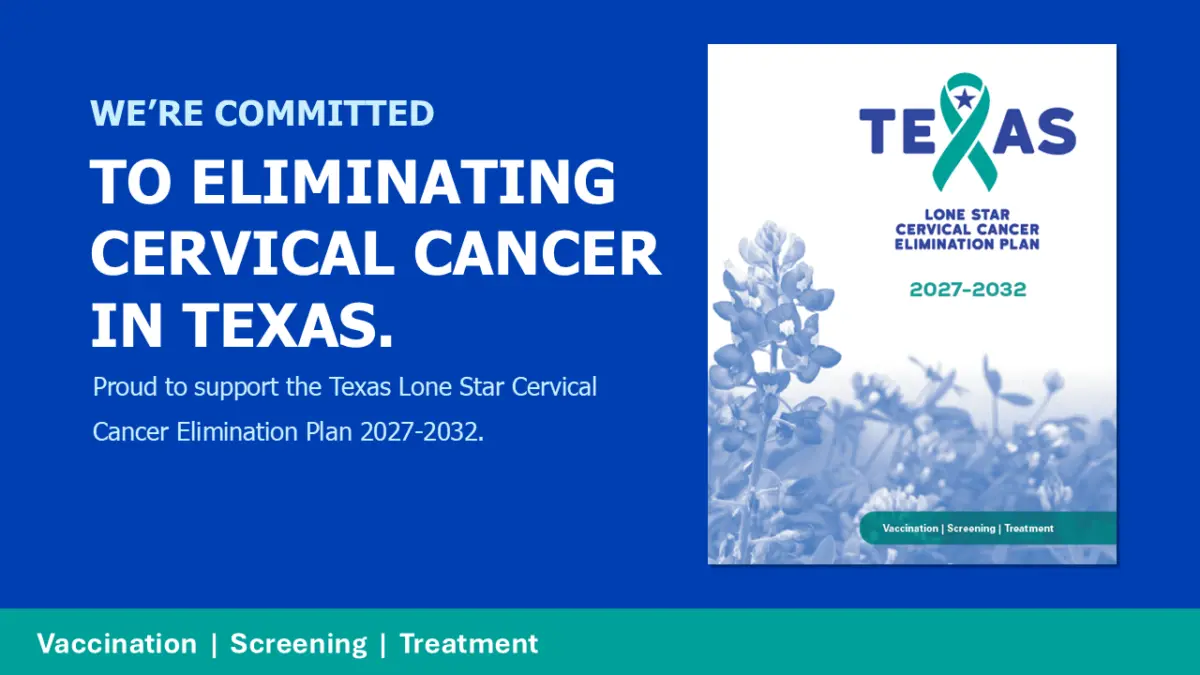
Texas stands at a pivotal crossroads in public health, armed with a strategic roadmap aimed at eliminating cervical cancer as a public health threat over the next several years. According to the newly released Texas Lone Star Cervical Cancer Elimination Plan 2027-2032, achieving this ambitious goal will require a synchronized, statewide effort uniting human papillomavirus (HPV) vaccination, routine clinical screenings, timely follow-up diagnostics, and efficient patient navigation to treatment services.
Supported by the Cancer Alliance of Texas (CAT) and developed through the Cervical Cancer Elimination Priority Area Workgroup, the plan outlines a multi-pronged approach to dismantle the barriers that have historically kept Texas at the higher end of national disease burdens. The workgroup includes leading public health experts, such as Dr. Rebecca Jones, assistant director of the Institute for Health Promotion Research at UT Health San Antonio.
Public health advocates emphasize that while the medical community possesses the tools required to prevent nearly all cases of the disease, long-term success depends on coordinated statewide action, sustained partnerships, and highly targeted strategies designed to reach vulnerable populations. As stakeholders look toward implementation, health officials are examining the underlying factors that make cervical cancer a pressing issue in the Lone Star State and outlining the three primary pillars required for meaningful change.
Why Cervical Cancer and Texas?
Cervical cancer occupies a frustrating paradox in modern medicine: it is almost entirely preventable through vaccination and early screening, yet it remains a persistent and deadly health problem across the state. Statistical tracking places Texas at the 8th highest rate of cervical cancer incidence and the 6th highest rate of cervical cancer-related deaths in the United States.
This elevated burden is driven by a complex web of structural and demographic challenges. Texas features a massive geographic footprint, a diverse and rapidly growing population, extensive border regions, rural communities with limited healthcare infrastructure, and some of the highest uninsured rates in the nation. Additionally, cross-border healthcare utilization often complicates continuity of care, leading to dangerous delays between initial screenings and necessary follow-up procedures. Fragmented health records across disparate healthcare systems further exacerbate these challenges, making it difficult for providers to accurately track an individual’s vaccination status, screening history, and subsequent care trajectory.
Despite these obstacles, public health leaders point out that Texas possesses distinct institutional strengths to overcome them. The state benefits from a robust network of academic, clinical, public health, and community partners whose collaborative efforts have coalesced through the Cancer Alliance of Texas. Furthermore, this collaborative framework is bolstered by a strong prevention infrastructure supported by the Cancer Prevention and Research Institute of Texas, creating an ideal foundation for systematic intervention.
Boost HPV Vaccination Rates
The first core pillar of the Texas Lone Star Cervical Cancer Elimination Plan focuses on dramatically increasing human papillomavirus (HPV) vaccination coverage among adolescents. The initiative sets a clear benchmark: to raise the percentage of Texas boys and girls who are up to date on their HPV vaccination by age 15 from the current baseline of 50.5% up to 80%.
Reaching this target will require multifaceted interventions within clinical settings, robust community outreach and education campaigns, and innovative approaches that offer the HPV vaccine in alternative community and healthcare environments. Because the vaccine serves as the primary shield against the high-risk strains of the virus responsible for the vast majority of cervical cancers, health advocates stress that expanding coverage among preteens and teenagers is vital for protecting future generations.
Community voices deeply familiar with the toll of the disease emphasize the urgency of these prevention efforts. Ludivina Hernández, a community outreach coordinator and cervical cancer survivor, noted that no resident of the state should suffer from or lose their life to a condition that can be averted. Early detection, routine screening, and timely vaccination remain the most powerful tools available to prevent unnecessary suffering and save lives.
Elevate Cervical Cancer Screening
The second major strategic opportunity identified in the plan centers on expanding access to and participation in routine cervical cancer screening. Overcoming systemic barriers requires looking beyond traditional clinical boundaries and rethinking how screening services are delivered to diverse populations.
To address the logistical and socioeconomic hurdles that prevent routine visits, public health leaders advocate for the widespread adoption of primary HPV testing and HPV self-collection as accessible screening options for all eligible Texans. By providing alternatives that can be utilized outside of traditional clinical settings, healthcare systems can engage individuals who might otherwise skip routine testing due to time constraints, transportation issues, or a lack of regular healthcare providers.
However, increasing screening rates is only part of the equation. Navigational support must accompany every screening initiative to ensure that patients do not fall through the cracks of the healthcare system. Ensuring that individuals successfully complete their screenings, receive their results in a timely and understandable manner, and gain immediate access to recommended follow-up care is essential for turning diagnostic data into lifesaving interventions.
Increase Cervical Cancer Diagnosis and Treatment
The third foundational element of the elimination plan targets the timely diagnosis and treatment of cervical precancer and cancer. Rapid intervention following an abnormal screening result plays a decisive role in halting the progression of the disease and ultimately eliminating it as a public health threat.
The plan establishes a concrete target to ensure that 80% of women who require diagnostic follow-up and treatment successfully receive these vital services. Achieving this benchmark relies on comprehensive community outreach, dedicated patient navigation, enhanced provider training, and robust survivorship support systems.
To bridge the gap between initial detection and specialized treatment, healthcare providers are encouraged to implement multilevel, multicomponent interventions. Dr. Rose Gowen, a faculty associate at the UT Health Houston School of Public Health Brownsville Regional Campus, explained that multicomponent programs successfully unify the critical elements required to overcome stubborn healthcare disparities. These programs integrate community outreach, education, patient navigation, specialized provider training, and strong clinical partnerships to guide patients through every step of their medical journey.
Looking Toward the Future
As Texas moves forward with the implementation of the 2027-2032 elimination plan, state health officials and community advocates remain focused on continuous evaluation, adaptation, and investment in evidence-based innovations. By fostering a learning health system capable of tracking outcomes and refining strategies in real time, the state aims to accelerate progress toward a future where cervical cancer is no longer a significant threat to public health. Stakeholders can access the complete framework through the official resources provided by the Cancer Alliance of Texas.