








By Billy Yost
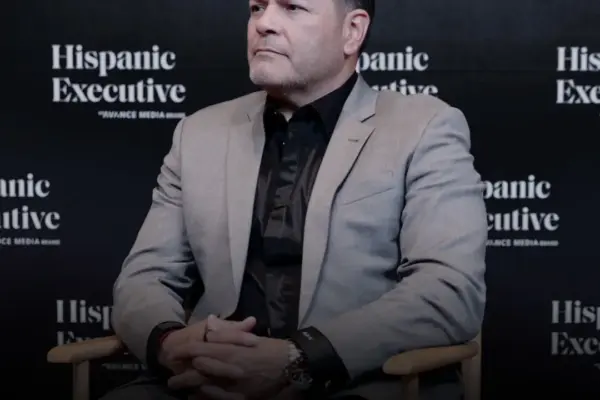
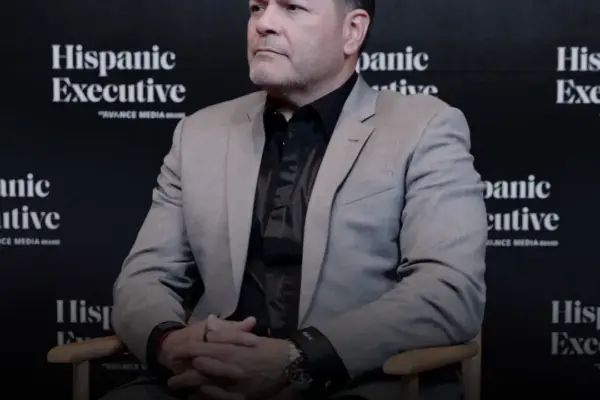
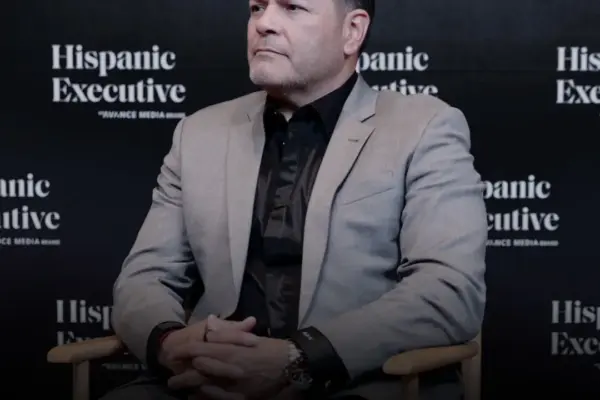
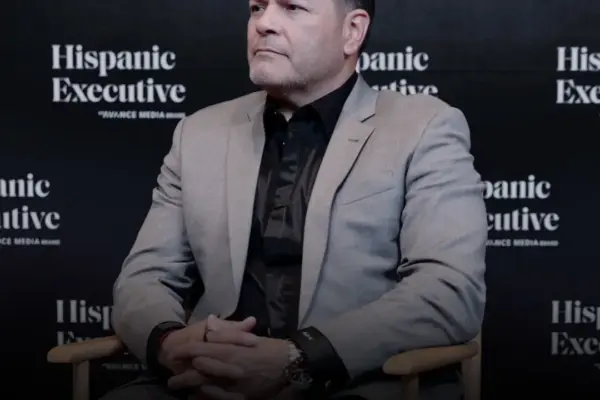
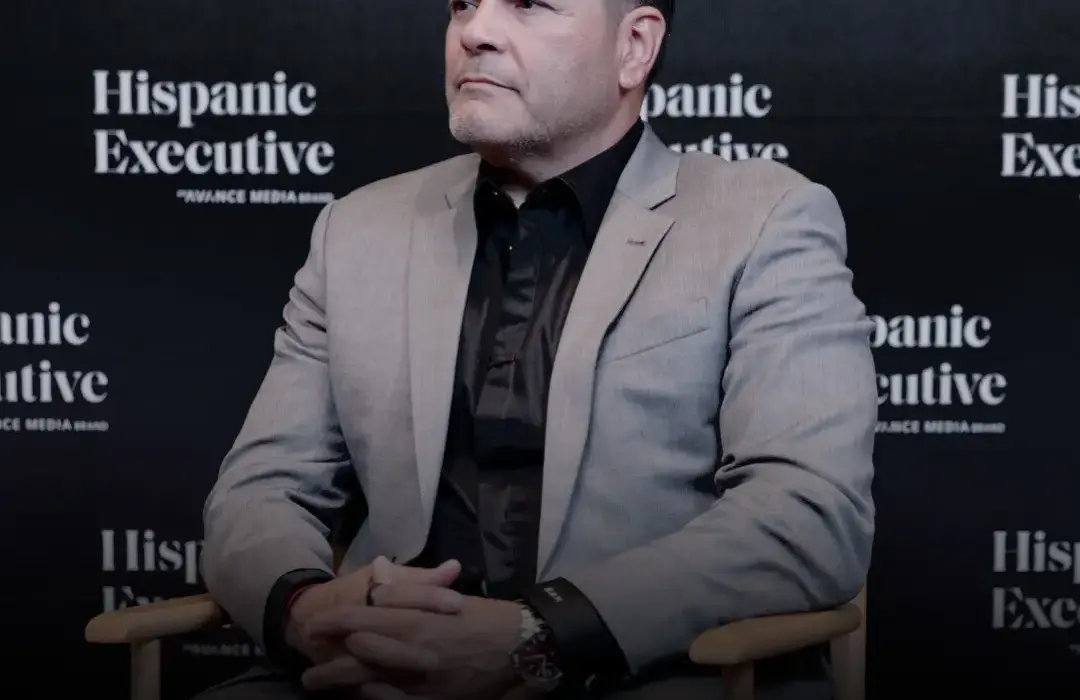
“The best advice I got from my father was a two-part piece of advice,” reflects Ebetuel “Beto” Pallares. “The first was: Work really hard, because that pays off. The second was: Surround yourself with people who are better than you, because that’s the only way you get better.”
An explanation of all that Beto Pallares actually is could easily fill pages on its own. His cross-sector career spans decades, weaving together complex threads of venture capital, strategic advisory work, telecommunications, higher education, and Latino wealth-building. Today, he channels that vast experience into his roles as the executive director of the Hispanic Wealth Project and a general partner at Audaz Capital.
Yet, when considering his professional ethos, perhaps the most revealing question is what Beto Pallares isn’t. If he can help it, he is rarely the smartest person in the room.
Throughout his schooling, his corporate career, and his formation as a young executive, entrepreneur, and doctoral student, Pallares always intentionally sought out environments where he knew—for an absolute fact—that he was outmatched in intellect or expertise. His job, as he saw it, was to find those remarkably smart people and learn everything he could from them.
As an investor, Pallares has long operated on a version of the classic poker-room philosophy: if you cannot spot the sucker at the table within the first half hour, then you are the sucker. Pallares is certainly no sucker, but his ambition isn’t to dominate the intellectual landscape of a meeting. Rather, he wants to be surrounded by people who have the capacity to make him feel like one, because that is where true growth and high-value innovation happen.
“If I’m the smartest guy in the room, I’m in the wrong room,” Pallares says. “My job is to find the really smart person and facilitate capital so they can do what they need to do to make an impact.”
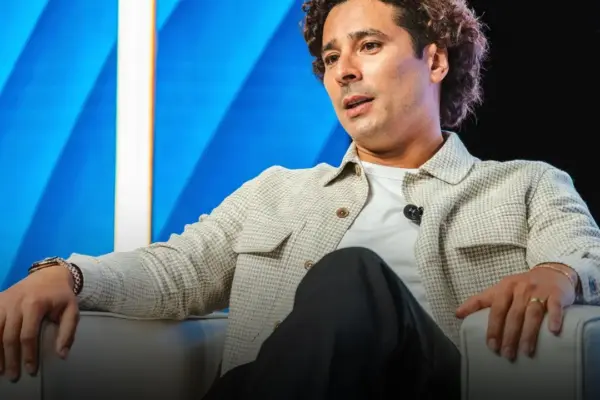
When you couple that kind of grounding humility with an admitted difficulty in turning down compelling opportunities, you get the kind of extensive, multifaceted résumé that has effortlessly straddled business, academia, and nonprofit work. You also get the kind of magnetic, uniting personality that drew massive crowds and widespread attention at AVANCE Global 2026 in Las Vegas, where Pallares officially unveiled his new book, Rich or King? An Entrepreneurial Journey Blueprint.
Presenting his new work at a premier gathering like AVANCE Global was much more than a routine book launch for Pallares. It represented a deliberate opportunity to take the next crucial step toward institutionalizing the substantial strides that Latinos have fought so hard to achieve over previous decades.
Representation has long been the primary battleground for minority communities striving for equity in corporate America, politics, and finance. But for leaders like Pallares, mere visibility is no longer the ultimate finish line. The next frontier requires turning that hard-won visibility into permanent, self-sustaining structures that can weather economic shifts and political changes for generations to come.
“When you institutionalize something, you give it a home, structure, and an ethos so others who weren’t there at the beginning understand what that institution stands for,” Pallares explains.
He points to the broader historical ecosystem of business and wealth generation to illustrate his point. When people think about organizations like NAREP (the National Association of Hispanic Real Estate Professionals), the Hispanic Wealth Project, or the countless multigenerational family businesses that are beginning to flourish, they are witnessing the fruits of proactive institutionalization. Hispanics are increasingly showing up, establishing formal mechanisms, preserving cultural and economic milestones, and permanently marking their place in the corporate landscape—whether that means founding enduring enterprises or naming major buildings.
This deliberate permanence, Pallares notes, is the exact reason why modern society retains deep knowledge from centuries or even millennia ago. Somebody long ago took the time to institutionalize it. Somebody wrote it down. Somebody created a building to house the knowledge and protect the practice.
For Pallares, that ethos defines the next chapter of Latino leadership in the United States. While representation remains undeniably critical as a baseline, the true path to creating lasting, generational change—the kind of change that people look back on decades or centuries later with reverence—is to institutionalize that representation. It is about moving beyond simply making history to actively helping write it.
Billy Yost is a copywriter and storyteller whose work explores leadership, business, culture, and the people shaping today’s organizations. Drawing on a background in brand strategy, editorial writing, and digital media, he crafts compelling narratives that connect audiences with the ideas and leaders driving meaningful change. His experience spans both traditional and emerging platforms, with a particular interest in storytelling, branding, and the evolving role of social media in business communications.