






Breast cancer remains one of the most critical public health challenges facing women in the United States today. According to national health statistics, it stands as the second-leading cause of cancer-related death among women overall. For Latina women, the reality is even more acute, as breast cancer represents the leading cause of cancer-related mortality within the community.
Despite significant advancements in preventative medical care, early detection technologies, and treatment methodologies, disparities persist. Women across various demographics, and Latinas in particular, continue to be diagnosed at later stages of the disease. Late-stage diagnoses inherently mean that treatments are more physically and emotionally taxing, and overall prognosis and survival outcomes are less optimistic.
Public health experts point out that this persistent diagnostic gap is largely driven by non-medical drivers of health. These social determinants include limited access to health insurance, a lack of regular preventive screenings, transportation barriers, and difficulties accessing healthy food and stable environments. Addressing these systemic hurdles requires a multifaceted approach involving expanded resources, better community-focused education, and robust clinical research.
During National Breast Cancer Awareness Month, healthcare professionals, advocates, patients, and families are shining a light on these challenges while elevating solutions. Whether an individual is a breast cancer survivor, currently undergoing active treatment, serving as a caregiver or family member, or assessing their personal risk, a wide array of vital resources exists to help navigate the journey.
Finding Breast Cancer Patient Navigation Support
Navigating a cancer diagnosis involves digesting complex medical terminology, making urgent treatment decisions, and managing logistical hurdles. Organizations like Susan G. Komen offer comprehensive patient navigation support through their Patient Care Center to assist patients, families, and caregivers.
The educational resources provided by the center cover a wide spectrum of topics, including risk factors, prevention strategies, screening guidelines, diagnostic procedures, treatment pathways, and long-term survivorship. Additionally, the program addresses the severe economic strain often accompanying a diagnosis, offering financial assistance initiatives designed to ease the financial burden of care.
Patients can also access emotional support programs, guidance on processing a diagnosis, and assistance in finding appropriate clinical trials. Individuals seeking direct connection to a professional patient navigator can reach out to Komen’s national helpline or contact their support team via email. For those looking to support others, programs like Komen’s Patient Navigation Training Program prepare volunteers to serve as navigators within their communities.
Expanding Access to Breast Cancer Screenings
Health insurance coverage barriers remain one of the most formidable obstacles preventing women from maintaining regular breast cancer screenings. When routine mammograms are missed, cancers often go undetected until they reach advanced stages, resulting in elevated mortality risks, particularly within vulnerable and historically overlooked populations such as Latina women.
To counter these disparities, the Centers for Disease Control and Prevention established the National Breast and Cervical Cancer Early Detection Program. This federal initiative is designed to broaden access to free and low-cost breast and cervical cancer screenings specifically for low-income women.
Screening services are deployed nationwide and are specifically intended for women who lack health insurance, fall within the recommended age bracket for mammography, and live at or below the federal poverty level. Public health advocates emphasize that connecting individuals to these subsidized screening locations is vital for catching the disease early when interventions are most effective.
Accessing Local Breast Cancer Support Networks
Beyond large national organizations, grassroots and local entities utilize community-driven resources to provide direct, tangible aid to individuals undergoing treatment. These localized efforts often bridge critical gaps in daily living assistance that traditional medical settings cannot address.
For instance, organizations operating in major metropolitan areas, such as Pink Ribbon Good in the Northeast and San Francisco, provide vital services including meal delivery and rides to medical appointments. In Miami, which boasts a substantial Latino population, the nonprofit 305 Pink Pack assists patients with transportation, childcare support, and grocery provisions.
In San Antonio, the Thrive Well Cancer Foundation supports cancer patients and their families by offering transportation assistance, financial relief, and wellness programs. Similarly, women living with breast cancer across Central and South Texas can access specialized aid through the Texas WINGS organization. Finding these hyper-local resources ensures that patients receive practical, day-to-day assistance tailored to their geographic region.
Joining Breast Cancer Support Groups
A cancer diagnosis can frequently engender a profound sense of isolation, affecting both mental and emotional well-being. Surrounding oneself with peers who share similar lived experiences can significantly lessen the psychological burden of the disease.
Organizations such as CancerCare facilitate specialized virtual spaces, offering 15-week online support groups, post-treatment survivorship circles, and dedicated meetings for individuals diagnosed with metastatic breast cancer. Concurrently, BreastCancer.org hosts free virtual support groups conducted via online video platforms.
Platforms like Living Beyond Breast Cancer further foster community connection through digital tools such as the Flourish mobile app. These virtual spaces allow patients and survivors to ask questions, share personal experiences, and find mutual understanding and solidarity from anywhere.
Utilizing Comprehensive Educational Resources
Successfully navigating breast cancer treatment and recovery requires understanding numerous complex factors, including potential long-term treatment side effects and the lifestyle modifications necessary to reduce recurrence risks.
The National Breast Cancer Foundation offers a series of educational guides aimed at helping patients manage stress, protect their mental health, prepare nutritious meals, and understand their therapeutic choices. Similarly, Susan G. Komen provides decades-compiled tools, including guides on how to effectively communicate with physicians about breast health, alongside educational webinars and video libraries.
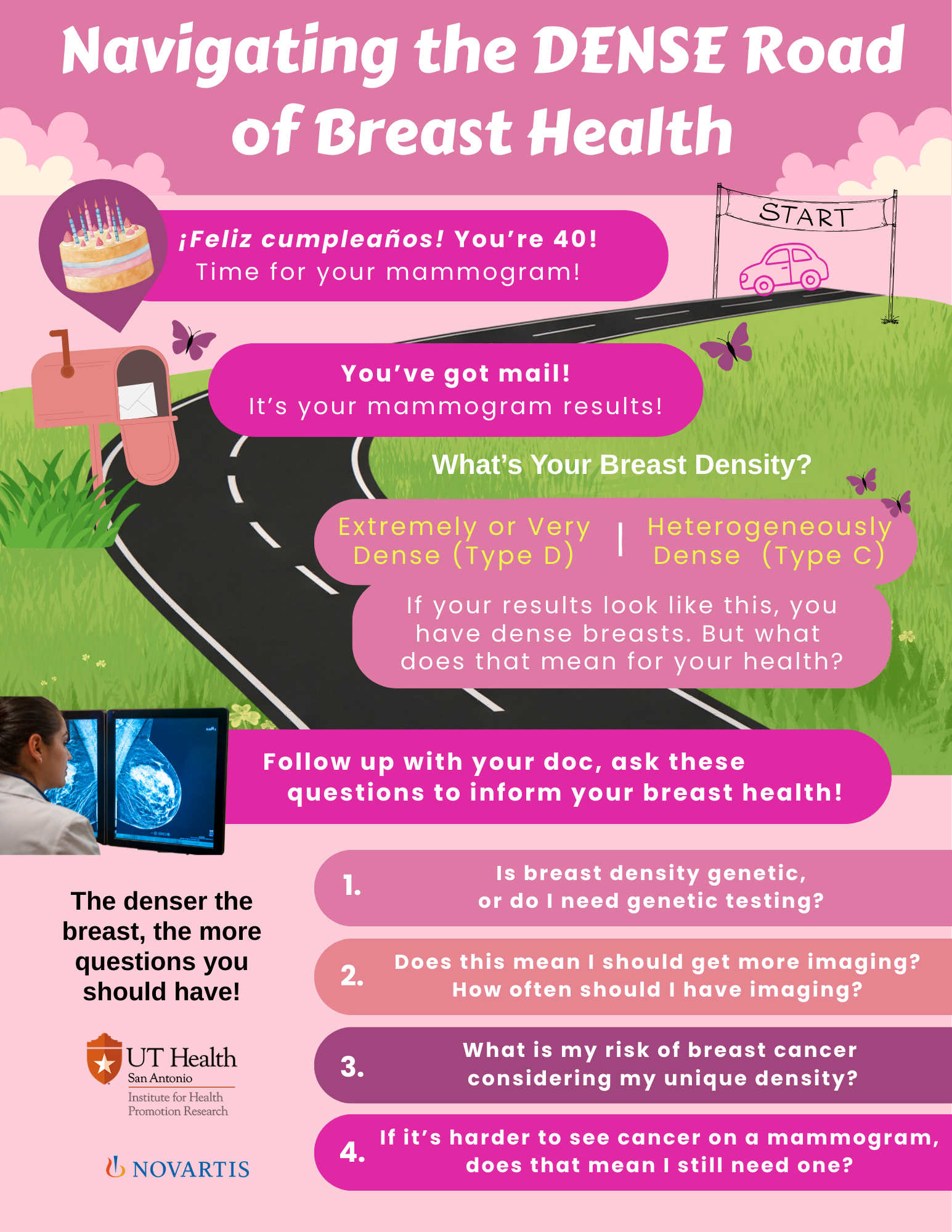
To address specific regional and demographic educational needs, organizations like Salud America! partnered with Novartis to develop "The Breast Density Road Map." This initiative is designed to help women interpret mammogram results, understand what a dense breast tissue diagnosis means, and initiate informed conversations with their healthcare providers about personalized risk assessment.
Selecting a Specialized Breast Cancer Oncologist
Choosing the right medical care team is a foundational step in establishing a successful treatment and recovery path. Patients require oncologists who not only possess deep clinical expertise in breast cancer but also take individual personal backgrounds, cultural beliefs, and unique needs into consideration.

Regional initiatives, such as the Mays Cancer Center’s provider search tool in South Texas, help patients locate appropriate cancer care specialists. On a national level, the American Society of Clinical Oncology maintains an extensive oncologist database enabling searches by specific clinical subspecialties, board certifications, and geographic location. Additionally, the American Cancer Society provides comprehensive guidance on evaluating different types of oncologists, preparing for consultations, and identifying providers who accept Medicare.
Participating in Breast Cancer Clinical Trials
Clinical trials represent a cornerstone of medical progress, providing researchers with essential data to improve methods for slowing, managing, and treating cancer for current and future generations. Without diverse volunteer participation, however, medical advancements may fail to adequately benefit all communities.
"Volunteers in clinical trials are not only helping themselves, but they’re also building a future with potentially better treatments that can help their families in the future," said Dr. Amelie Ramirez, director of Salud America! and the Institute for Health Promotion Research at UT Health San Antonio.
Patients in South Texas can explore local opportunities through the Mays Cancer Center’s clinical trial database, while nationwide options are centralized through federal registries like clinicaltrials.gov. Participation allows patients to access cutting-edge therapies while contributing to the scientific understanding of cancer prevention and treatment.
Reading and Sharing Survivorship Stories
The stories of breast cancer survivors offer powerful testimonials that inspire others to prioritize preventative health screenings and take proactive measures. Hearing about the resilience of fellow patients also helps newly diagnosed individuals feel less alone in their journey.
Advocates like Linda Mota share their personal experiences to encourage women to listen to their bodies and seek timely medical evaluations. Others, such as Brittney Millard, demonstrate the value of proactive surveillance after identifying genetic mutations associated with elevated breast cancer risks.
Capturing these narratives is also the focus of formalized research initiatives. The Avanzando Caminos Hispanic/Latino Cancer Survivorship Cohort study, based at UT Health San Antonio, is actively enrolling individuals who have completed primary treatment for a variety of malignancies, including breast, prostate, colorectal, lung, stomach, and other cancers.
Program leaders note that participating in research studies often provides survivors with a meaningful opportunity to process their experiences and find a sense of healing.
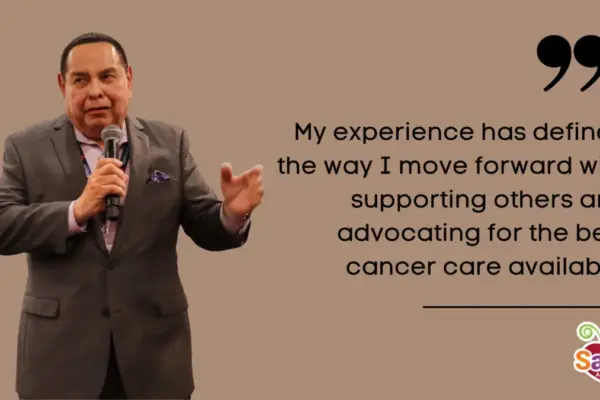
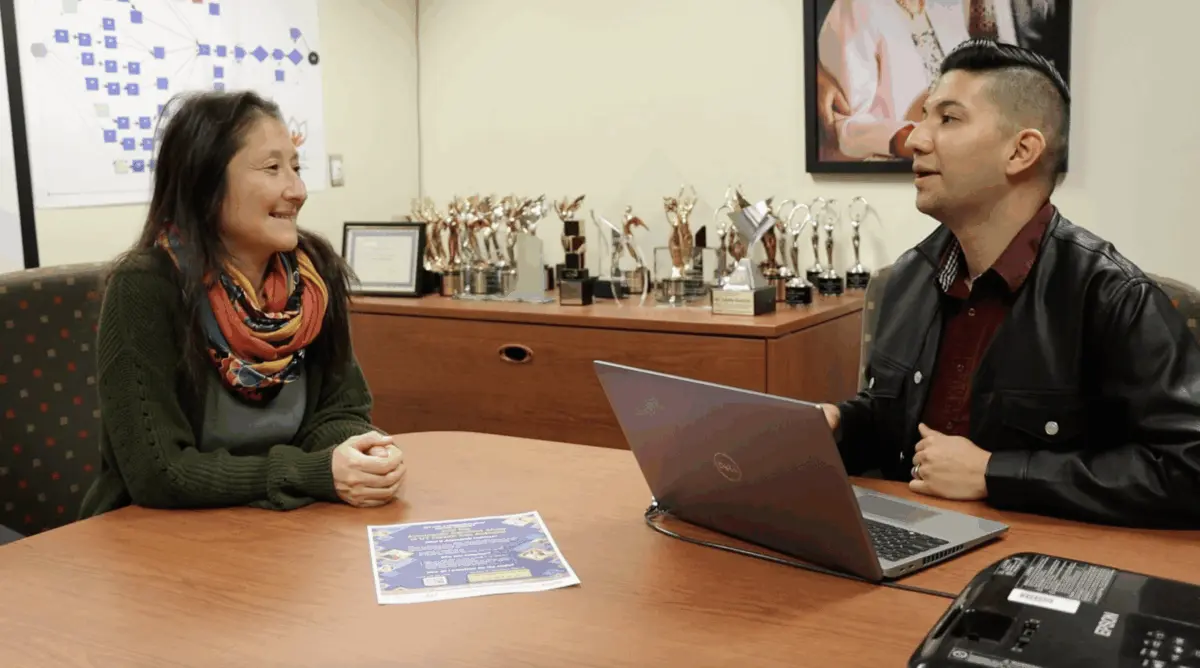
"We want to be able to promote healing because for the first time in a long time, this may be someone’s first opportunity to give their cancer story," Dr. Derek Rodriguez, a program manager with the study, told Salud America! "We want to be able to empower others to share their story as well. And we want to be able to better understand, detect, treat, and prevent cancer in the long run for other future survivors."
Individuals interested in learning more about the study or participating as a volunteer can reach out directly to the research team at UT Health San Antonio through their English and Spanish study portals to complete an initial eligibility survey.