




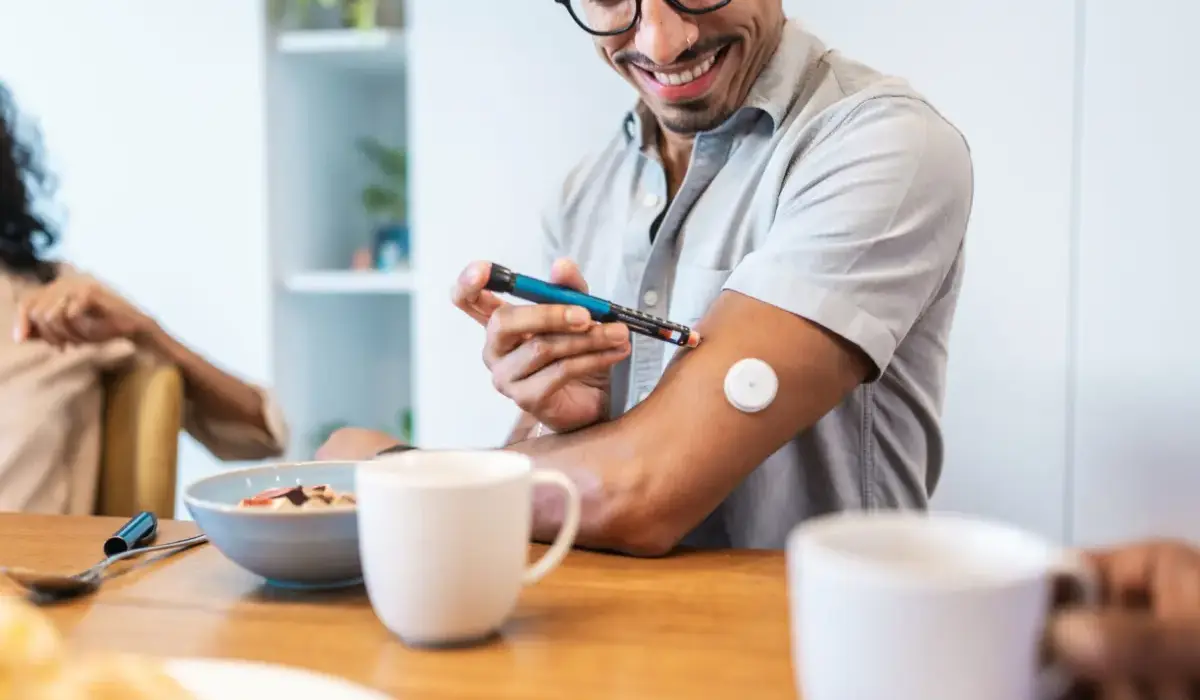
Across the United States, an estimated 1.5 million people live with type 1 diabetes, a chronic and demanding autoimmune condition that requires constant medical management. Among this population, nearly 200,000 are under the age of 20, highlighting the profound impact the condition has on children, teenagers, and their families. Furthermore, recent data indicates that approximately 13% of Latinos in the U.S. live with type 1 diabetes.
According to Breakthrough T1D, the leading global organization dedicated to type 1 diabetes research and advocacy formerly known as JDRF, the prevalence of the condition is rising across all demographic populations. Most significantly, however, this upward trend is being observed among Hispanic youth. This demographic shift underscores an urgent and growing need for accessible educational tools, culturally relevant resources, and community support systems to help Latino families navigate the complexities of a type 1 diabetes diagnosis.
To meet this challenge, Breakthrough T1D continues to expand its comprehensive suite of programs, offering vital resources designed to support patients and their caregivers from the moment of diagnosis through every stage of life.
What is Type 1 Diabetes?
Type 1 diabetes is formally defined as a chronic autoimmune disease, meaning it is a long-term condition that does not go away. People can be diagnosed with type 1 diabetes at any age, from early childhood well into adulthood. The disease is triggered when the body’s immune system mistakenly attacks and destroys the insulin-producing beta cells located in the pancreas.
Insulin is an essential hormone that the human body relies on to convert glucose from food into usable energy. Because individuals with type 1 diabetes can no longer produce this vital hormone naturally, they must take insulin daily—either through multiple daily injections or by utilizing an automated insulin pump—to survive and maintain healthy blood glucose levels.
Managing the condition requires constant vigilance regarding blood sugar monitoring, carbohydrate counting, and physical activity. From the initial day of diagnosis to daily life decades later, organizations like Breakthrough T1D work to connect people within the community, offering guidance on basic disease management, effective communication strategies for school and work environments, and avenues for emotional support.
Expanding Access to Free Resource Packs
For newly diagnosed individuals and their families, navigating the immediate aftermath of a type 1 diabetes diagnosis can be overwhelming. To ease this transition, Breakthrough T1D provides specialized resource packs tailored to different age groups.
The Breakthrough T1D Bag of Hope is specifically designed for children aged 11 and younger, as well as their caregivers, providing educational materials, comfort items, and tools to help explain the condition to young patients. Crucially, this resource is fully bilingual, with materials available in both Spanish and English to ensure that language barriers do not prevent families from receiving vital support.
For teenagers between the ages of 12 and 17, the organization offers Teen Family Packs. These packages include introductory guides designed for adolescents navigating the emotional and physical changes of managing diabetes during their teenage years, alongside practical items such as organizational pouches for medical supplies and stickers.
Additionally, Breakthrough T1D Adult Packs provide comprehensive support for individuals diagnosed later in life, featuring educational guides, detailed overviews of the condition, and information on how patients can get involved with local chapters and advocacy efforts.
Bilingual Educational Videos and Digital Outreach
Recognizing the shift toward digital media for health education, Breakthrough T1D has curated an extensive collection of bilingual videos covering a wide array of topics related to type 1 diabetes. These digital resources address fundamental subjects such as understanding how insulin works, recognizing symptoms of low blood sugar, identifying early warning signs, and exploring the underlying causes of the autoimmune response.
The organization maintains dedicated video libraries in both English and Spanish, ensuring that Spanish-speaking families have direct access to clear, medically sound information. Furthermore, specialized video content explores complex topics such as participation in clinical trials, screening procedures, and early detection methods, which are becoming increasingly important tools in identifying the disease before advanced symptoms appear.
Spanish-Language Virtual Community Summits
To foster a sense of community and provide ongoing education, Breakthrough T1D hosts free Spanish-language virtual educational events. These community summits are streamed live across the organization’s social media platforms, allowing participants to engage with medical experts, researchers, and other members of the type 1 diabetes community without the barrier of formal registration requirements.
Attendees can join the live streams through popular social media channels, including the organization’s dedicated Spanish-language Instagram account, which regularly shares bilingual one-pagers, awareness campaigns, and informational videos covering crucial topics such as mental health management and nutritional guidance.
As part of its ongoing 2026 programming, Breakthrough T1D has scheduled its next major Spanish-language session, titled "Type 1 Diabetes and Community: Experiences that Inspire, Educate, and Drive Impact," for Tuesday, November 10, 2026, at 12 p.m. ET. Recordings of previous virtual summits remain accessible online for community members who wish to review past discussions at their convenience.
For English speakers, the organization similarly offers expert-led conversations through the "Voices of T1D" series, which are available on YouTube and various podcast platforms to help individuals live full and healthy lives.
Bilingual Nutrition Resources and Cultural Flavors
One of the most frequent challenges faced by individuals newly diagnosed with type 1 diabetes—and by parents of children with the condition—revolves around meal planning. A common concern is how to continue enjoying traditional family meals while effectively managing blood glucose levels. Breakthrough T1D emphasizes that living with type 1 diabetes does not mean traditional cultural dishes must be eliminated from the menu.
Through generous funding provided by the Elevance Health Foundation, Breakthrough T1D has developed a growing library of free, downloadable nutrition resources designed around the foods communities actually eat. For the Hispanic and Latino community, this initiative includes a dedicated bilingual nutrition hub featuring general dietary tips, food-label reading guides, and specialized carbohydrate-counting guides tailored to Mexican and Central American, Hispanic Caribbean, and South American cuisines.
The hub also features cooking resources and recipes for traditional favorites such as chilaquiles verdes, sancocho, and Colombian arepas con queso, accompanied by an instructional video series on managing type 1 diabetes with authentic Hispanic flavors. The broader nutrition library similarly includes carb-count guides for holiday meals, resources for Black and African American and Indigenous cuisines, a community recipe box, and expert guidance from registered dietitians.
Finding Health Data and Support Locally
For families seeking deeper connections, the complete Breakthrough T1D website is accessible in both English and Spanish. The organization maintains a network of local chapters throughout the United States, which serve as central hubs for regional information, support groups, and community events.
To better understand how chronic health conditions impact specific regions, community members can also utilize tools such as the Salud America! Health Report Card. By entering a county name, users can generate local data profiles complete with interactive maps and comparative gauges covering public health indicators, education, housing, and access to healthy food. This localized data can be utilized by community advocates, local leaders, and researchers to raise awareness and drive meaningful health equity changes at the grassroots level.