










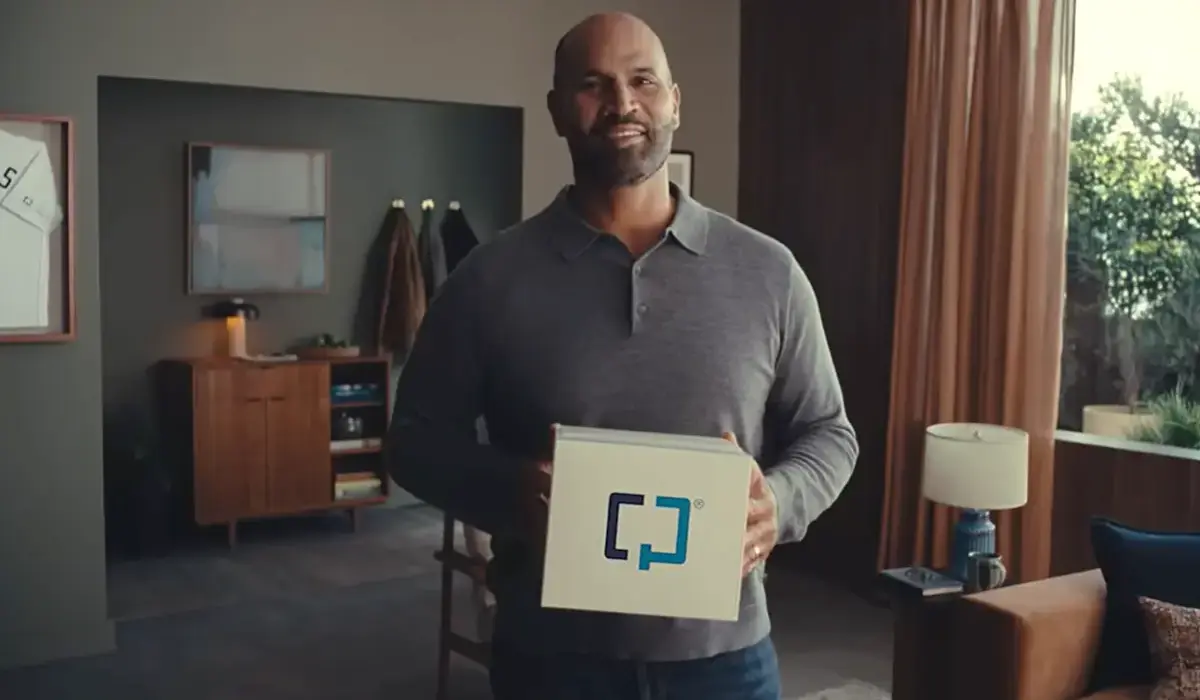
For adults reaching the age of 45, healthcare guidelines have long advised stepping up to the plate for routine health screenings, chief among them being colorectal cancer detection. Recognizing that the topic often carries social hesitation and discomfort, healthcare company Abbott is taking a creative, lighthearted approach to break down those barriers. The organization has launched a new bilingual, baseball-themed ad campaign for the Cologuard Plus test, an at-home screening tool designed to detect colorectal cancer early when it is most treatable.
Titled "Mind Your Behind," the campaign features baseball legend Albert Pujols, who was born in the Dominican Republic and achieved legendary status with 703 major league home runs, alongside current Seattle Mariners catching star Cal Raleigh. The initiative aims to normalize conversations around a critical health topic that continues to see dangerously low participation rates across the United States.
According to public health data, nearly 60 million Americans remain unscreened for colorectal cancer, highlighting a massive public health challenge. By leveraging the cultural popularity of baseball and the universal recognition of its stars, Abbott hopes to shift the narrative from avoidance to proactive health management.
“Colorectal cancer screening is serious, but how we talk about it doesn’t always have to be,” said Jake Orville, Abbott’s Senior Vice President of Cancer Diagnostics, in a statement announcing the campaign. “We want to make screening easier to talk about and, more importantly, easier to act on.”
About the Baseball Campaign for Colon Cancer Screening
The campaign cleverly plays with the "cheeky" idea of baseball fans’ familiarity with players’ backsides, using this sports-culture observation as an unexpected hook to draw attention to colorectal cancer screening. The strategy relies on sports icons to make the conversation accessible, casual, and far less intimidating for the general public, particularly adults entering mid-life.
Albert Pujols noted that while colorectal cancer is not typically a topic of casual dinner conversation, that exact reluctance is why he chose to lend his voice and prominence to the cause. He emphasized that if a bit of humor can prompt individuals in their mid-40s to think about screening and learn about a convenient, at-home option, the effort is well worthwhile.
“I know colorectal cancer is not something everyone wants to talk about, but that’s why I wanted to be part of this campaign,” said Pujols. “If a little humor gets people my age thinking about screening and letting them know about a test that they can fit into their everyday lives and use at home, that’s a good thing.”
The campaign specifically encourages eligible adults to utilize the Cologuard Plus test as a preferred stool-based screening option that needs to be completed only once every three years. Designed for home use, the test can be completed in approximately 15 minutes before being mailed to a laboratory for analysis. Crucially for many patients who dread medical preparations, the process requires no special preparation or dietary changes.
Cal Raleigh, the hard-working catcher for the Seattle Mariners, echoed these sentiments, pointing out the irony of fans staring at players’ backsides during a game and redirecting that focus toward a life-saving medical screening.
“This campaign is a fun way for me to move their attention from that to something much more important,” Raleigh said.
Colon Cancer in Latinos
While colorectal cancer impacts people across all demographics, the statistics within specific communities highlight a pressing need for targeted outreach. Among Latino populations, colon cancer stands as the second-leading cause of cancer death among Latino men and ranks as the third-leading cause among Latinas. Geographic disparities further complicate these outcomes; in Bexar County, Texas, for example, more than half—specifically 57 percent—of colorectal cancers are diagnosed at a late stage, a proportion significantly higher than many other counties across the state.
Medical experts emphasize that early detection is critical because symptoms often overlap with less severe conditions. Warning signs of colorectal cancer can include blood in the stool, ongoing constipation, and abdominal pain—common symptoms that frequently accompany minor ailments or conditions more commonly associated with younger populations than cancer. Despite these potential warning signs, many individuals delay seeking medical evaluation until the disease has progressed.
For Pujols, entering his mid-40s brought personal resonance to the health guidelines he is now publicly championing, reinforcing that proactive measures are a necessary component of maintaining long-term wellness.
“Taking care of my health has always been important to me, and now that I’m in my mid-40s, colorectal cancer screening is part of that effort,” Pujols said.
Individuals seeking to learn more about the screening process or request a kit can visit Cologuard.com, with Spanish-language resources and information available directly at Cologuard.com/prueba.
The Importance of Clinical Trial Participation
Beyond early screening, public health advocates stress that addressing cancer effectively within diverse communities requires robust participation in ongoing medical research. Conditions like cancer profoundly impact families, affecting abuelos, mothers, fathers, and other cherished relatives across generations. Fighting back against these diseases increasingly relies on clinical trials, which serve as foundational studies helping researchers discover ways to slow, manage, and treat cancer, dementia, and other complex health conditions.
Without active volunteer participation from affected communities, however, new medical breakthroughs and tailored treatments risk missing the populations that need them most. Medical leaders emphasize that trial participation is both an individual health choice and an act of community stewardship.
“Volunteers in clinical trials are not only helping themselves, but they’re also building a future with potentially better treatments that can help their families in the future,” said Dr. Amelie Ramirez, director of Salud America! and the Institute for Health Promotion Research at UT Health San Antonio.
For those interested in exploring research opportunities locally, individuals based in the San Antonio area can consult the Mays Cancer Center at UT Health San Antonio through its Find a Clinical Trial database to review available studies and specific eligibility requirements. On a national scale, patients and advocates can explore open research studies by visiting clinicaltrials.gov to locate a clinical trial in their local area.