








When most people recount their experiences with breast cancer, the narrative tends to follow a familiar, linear path: a routine self-examination reveals a suspicious lump, a doctor orders prompt diagnostic imaging, and a definitive diagnosis quickly follows.
For Deb Blake-Ontiveros, however, the path was infinitely more complex, marked by medical dismissal, a two-year delay, a metastatic diagnosis, a subsequent recurrence, and the daily intersection of chronic illness with severe mental health challenges.
As a young Latina mother navigating the healthcare system on Medicaid while managing bipolar disorder, Blake-Ontiveros discovered firsthand how structural disparities, age bias, and cultural stigmas can compound a medical crisis. Today, she is transforming those profound personal trials into a relentless mission of advocacy, refusing to let her story remain hidden in the shadows of a healthcare system that too often overlooks vulnerable populations.
Deb Blake-Ontiveros: A Delayed Breast Cancer Diagnosis
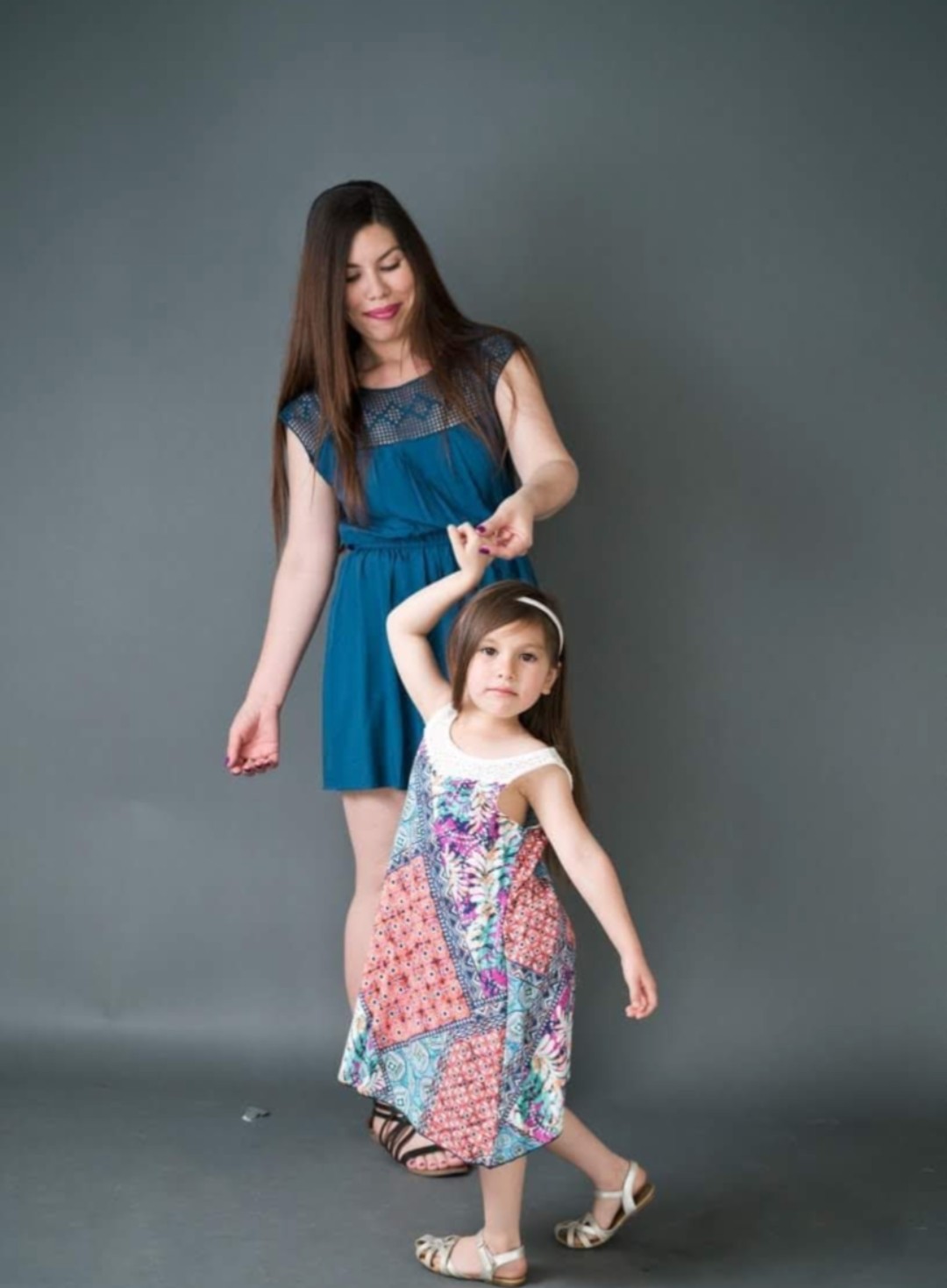
The roots of Blake-Ontiveros’s journey trace back to 2016 in Salt Lake City, Utah. At the time, she was a single mother maintaining a dizzying pace while caring for her two-year-old daughter. Balancing the demands of motherhood alongside mental illness, community organizing, poetry, maintaining relationships, navigating a custody battle, and managing friendships, Blake-Ontiveros operated as a self-described "super mom."

"I felt like a super mom. That was my whole concentration all the time. Everything else came second," Blake-Ontiveros recalled.
Amidst the constant motion of her daily life, her body signaled a quiet alarm. While breastfeeding her daughter, she detected a lump in her right breast and promptly scheduled an appointment with her primary care physician. Having built a positive rapport with the doctor during her pregnancy, she anticipated a straightforward evaluation. Instead, she encountered an institutional dismissal that would alter the trajectory of her life.
Because of her youth, the physician attributed the lump to a clogged milk duct and diagnosed her with mastitis, a painful inflammation of the breast tissue frequently associated with nursing. Given her status as a young woman of color on Medicaid, Blake-Ontiveros felt the odds were stacked against her, yet she had no immediate reason to question the medical professional’s judgment. She trusted the diagnosis and continued nursing her daughter.
Two years elapsed with the lump remaining present. Consumed by the relentless responsibilities of single parenthood—getting her daughter into preschool, managing household logistics, and keeping up with daily survival—Blake-Ontiveros pushed her own health concerns to the back burner.

The turning point arrived when she began dating again. Her new partner immediately recognized the gravity of the situation, urging her to seek a second opinion after sharing that he had previously lost a friend to breast cancer.
This time, Blake-Ontiveros consulted a female physician who immediately ordered a diagnostic mammogram, which swiftly progressed to a biopsy. Enduring the procedure entirely alone, she faced excruciating physical pain compounded by intense psychological distress, worrying incessantly about whether her daughter was safely transitioning out of school. Days later, while boarding a train en route to a parent-teacher conference, she received the devastating phone call: she had breast cancer at just 37 years old. Even then, her instinctual maternal focus pushed the diagnosis aside just long enough for her to arrive at her daughter’s school on time.
Navigating Metastatic Breast Cancer and the Reality of Indefinite Treatment
The psychological weight of the diagnosis, exacerbated by her preexisting bipolar disorder, made the prospect of chemotherapy nearly unbearable. Terrified by the traditional medical protocol, Blake-Ontiveros initially sought alternative, natural methods to combat the disease, hoping to find a holistic cure that would allow her to bypass conventional treatment altogether.
Before exhausting her self-imposed grace period to explore alternative therapies, she underwent a PET scan that revealed a terrifying reality. The cancer had metastasized, spreading aggressively to her lungs, lymph nodes, and the central region of her chest cavity.
"I was just like a Christmas tree up [in the chest area]… I didn’t really know what metastatic meant," she confessed.
Propelled into a manic response to the crisis, Blake-Ontiveros embraced a demanding regimen of chemotherapy while fiercely maintaining her social life. Dating, attending poetry readings, riding motorcycles, and going to concerts provided essential psychological ballast while the medical treatments worked to beat back the cancer.
Months later, her scans came back clear. Declared to have no evidence of disease, she believed she had completely conquered the illness. However, her oncologist quickly tempered the celebration, informing her that she would require indefinite maintenance treatment.
"That’s when it hit me that that’s what metastatic meant. Oh, I’m [no evidence of disease], but that’s not the same as cured. This can come back and I’m going to have to be on medicine for the rest of her life," Blake-Ontiveros realized.
A Second Diagnosis and the High Cost of Caregiving
Following her primary treatment, Blake-Ontiveros relocated to a rural area in Utah with her partner to establish a fresh start for her family. Shifting away from her past community organizing, she redirected her passion into cancer patient advocacy, collaborating with organizations like Living Beyond Breast Cancer, penning guest blogs for WebMD, speaking on panels, and participating in state-level cancer initiatives.
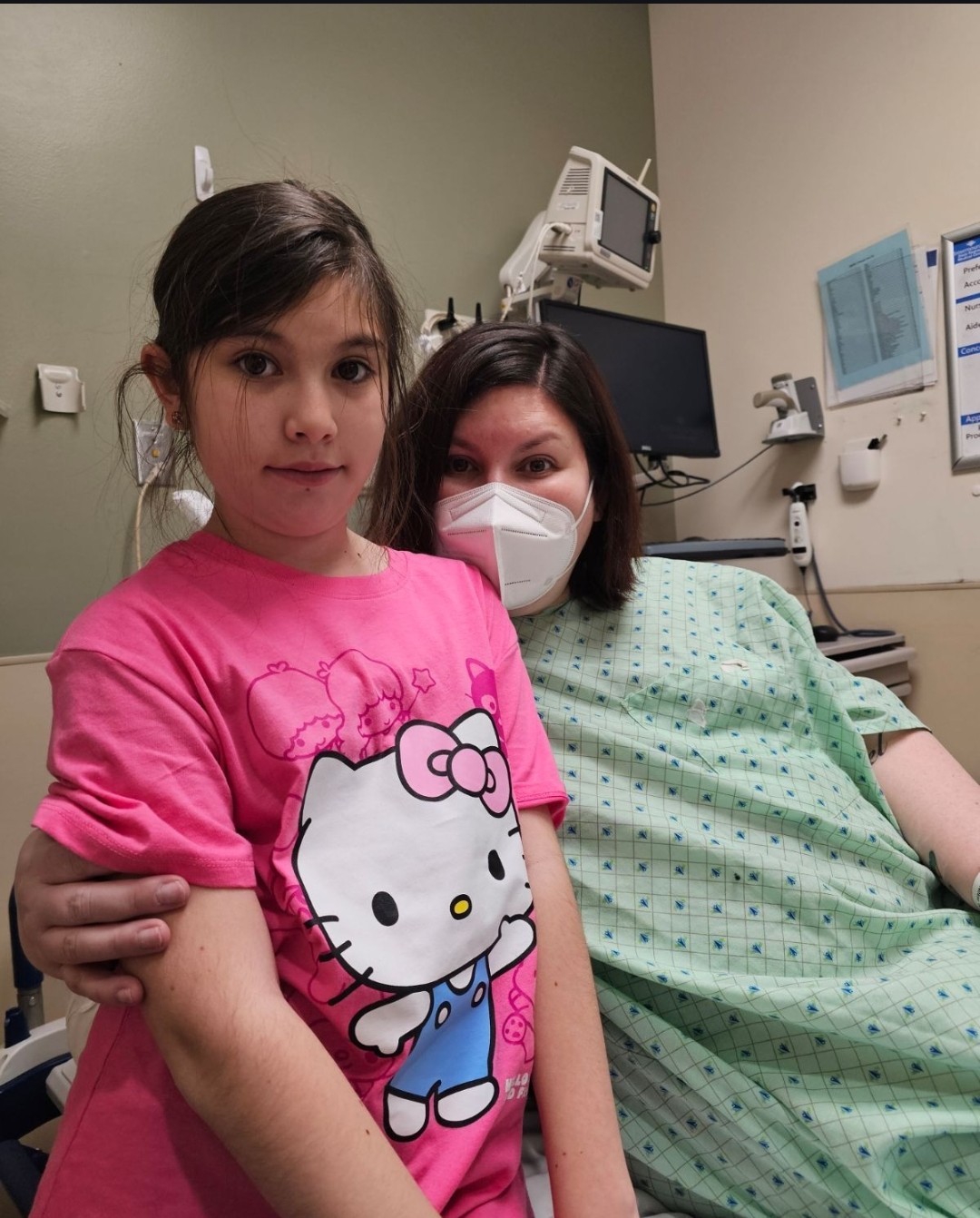
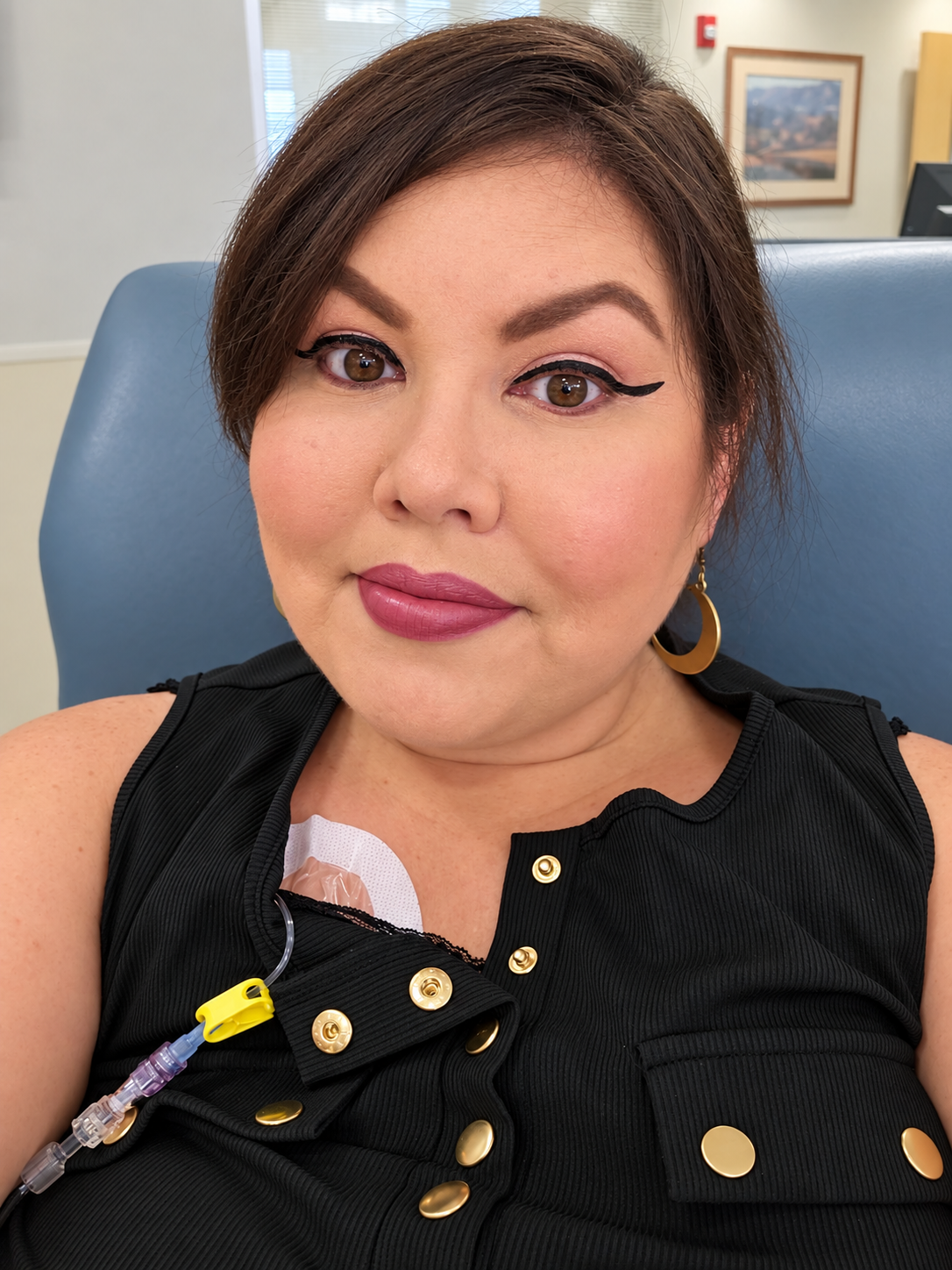
Just as she adapted to her new normal, life dealt her another severe blow. In 2023, during a routine self-examination on the first of the month, she detected a new lump in the same breast. Subsequent mammograms, ultrasounds, and a biopsy confirmed an unrelated stage 2-3 breast cancer diagnosis.
Although she faced the biopsy with the comforting presence of a supportive partner, the grueling reality of chemotherapy, hair loss, and physical illness placed an immense strain on their relationship. Because they had been in a long-distance relationship during her first battle, her partner had never witnessed her acute illness firsthand. The physical toll proved overwhelming, leading to a separation that stripped away her daily caregiving support.
Once again, Blake-Ontiveros found herself navigating advanced cancer as a single mother. The emotional and physical burden trickled down to her daughter, now 12 years old, who began adopting caregiving responsibilities around the house—a dynamic that deeply breaks Blake-Ontiveros’s heart as she continues to manage chronic fatigue and lingering treatment side effects.
Sharing Cancer and Mental Health Stories to Empower Others
Nearly a decade after her initial symptoms were dismissed, Blake-Ontiveros maintains a relentless schedule of medical appointments, treatments, motherhood, and advocacy. Central to her advocacy is an uncompromising transparency regarding her mental health. Her bipolar disorder has simultaneously served as a profound strength and a formidable obstacle throughout her survival journey.
Recognizing that cancer imposes an immense psychological toll—particularly for individuals managing preexisting psychiatric conditions—Blake-Ontiveros speaks openly about the mental health stigmas prevalent within marginalized communities, including Latinos. While some family members view her cancer diagnosis as a private or embarrassing matter to be kept quiet, she actively rejects that notion.
"I still want to keep talking about this. I still want to keep taking opportunities to educate and share my story… I’m like, ‘This happened, and I don’t want it to happen to any other person in this family, so I’m going to talk about it, even if it makes you uncomfortable,’" she asserted.
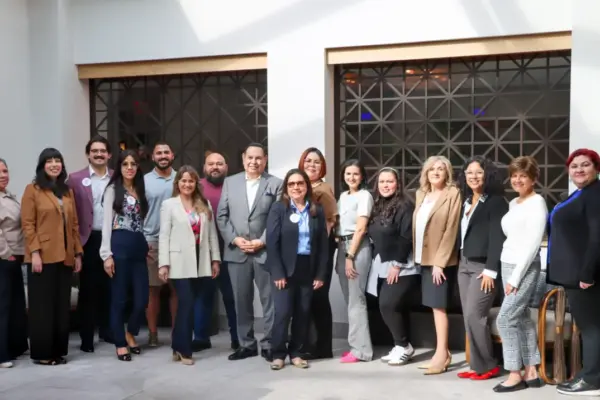
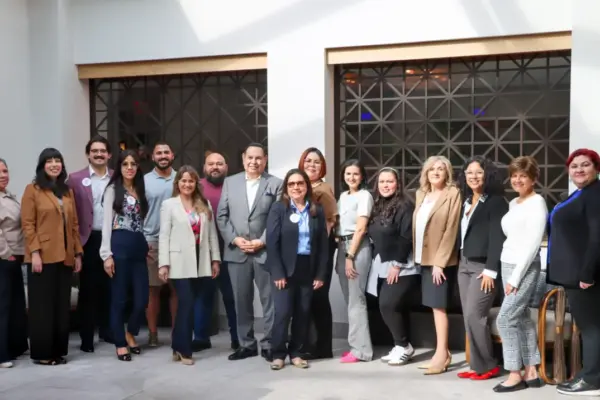
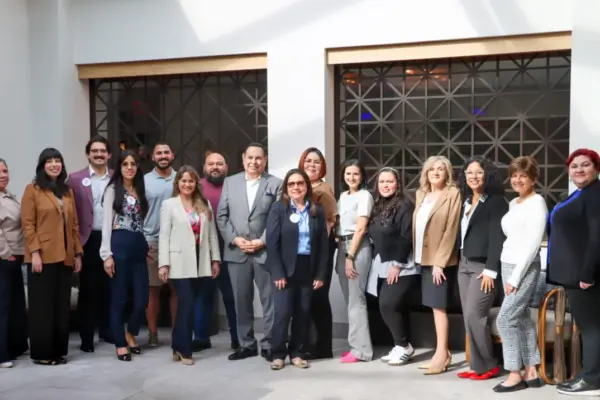
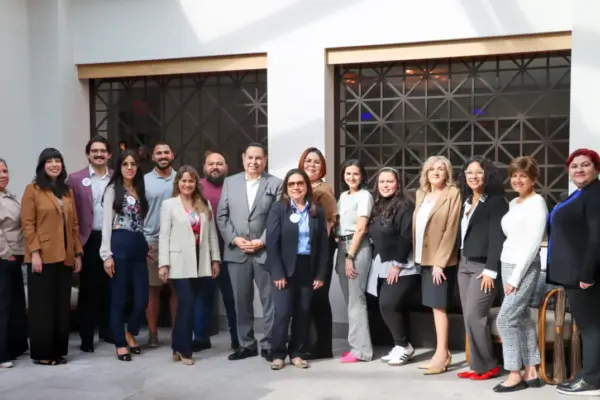
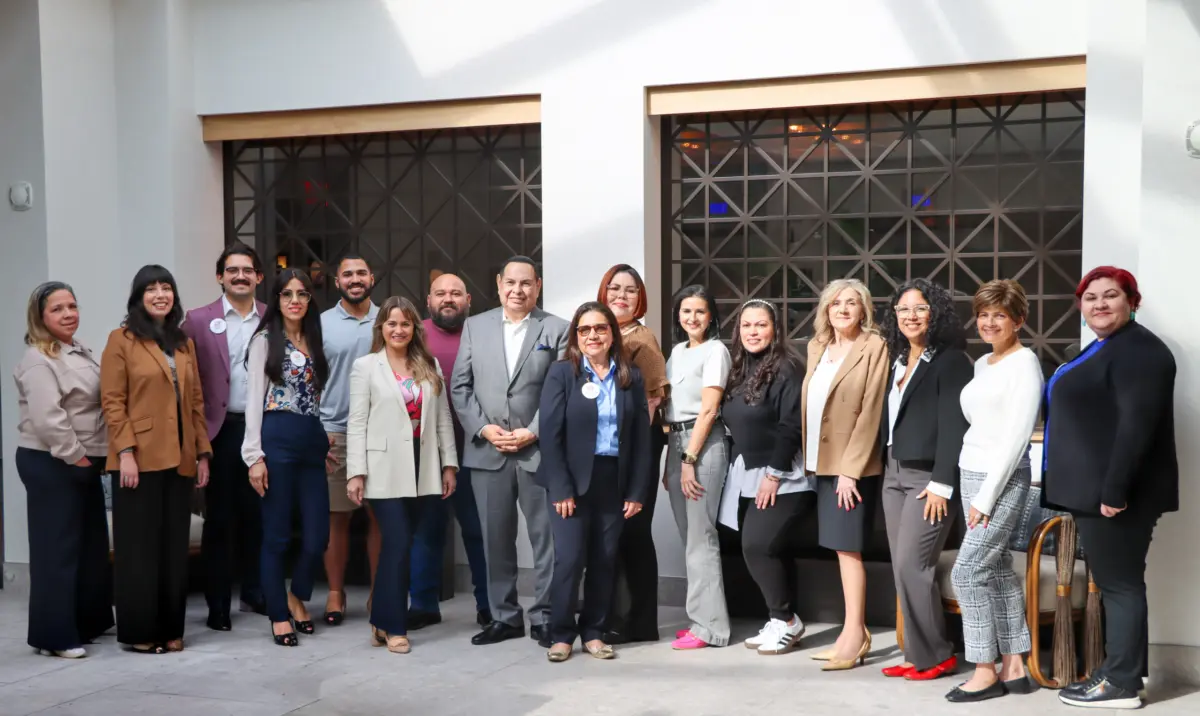
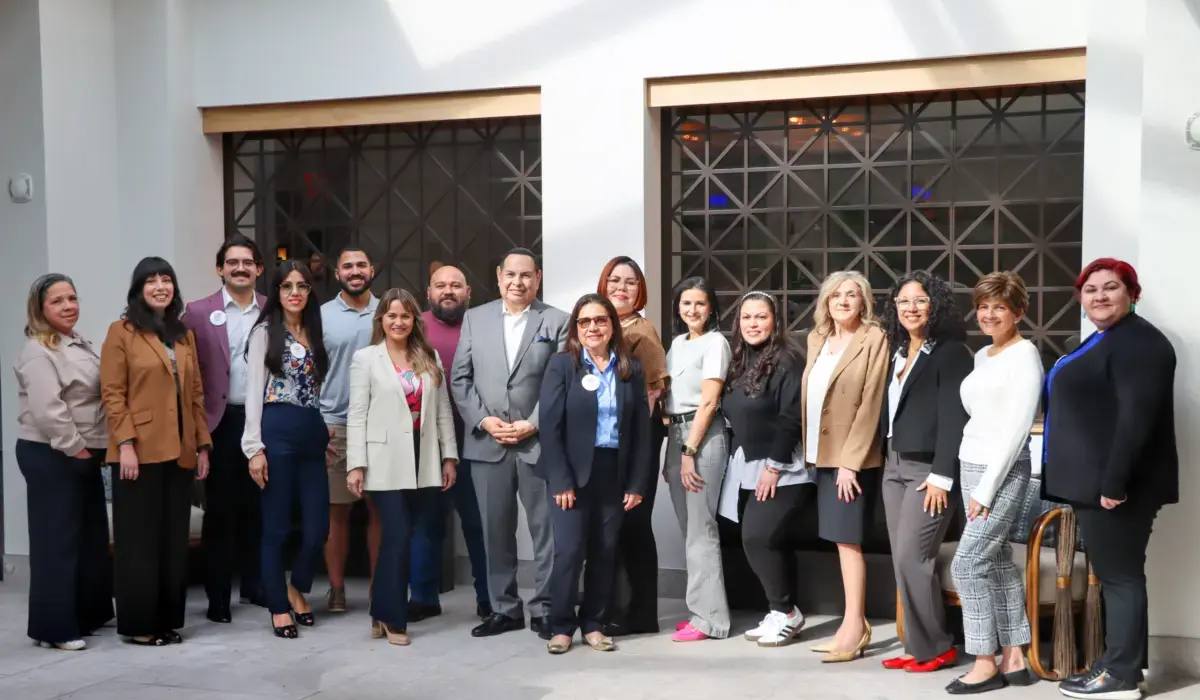
Her commitment to destigmatizing both cancer and mental illness recently led her to participate in the 2026 Latino Cancer Patient Advocate Training Program. Held prior to the Advancing Cancer Research for Latinos and All Populations Conference in San Antonio, Texas, the program gathers Latino cancer survivors to build community and learn directly from medical experts.
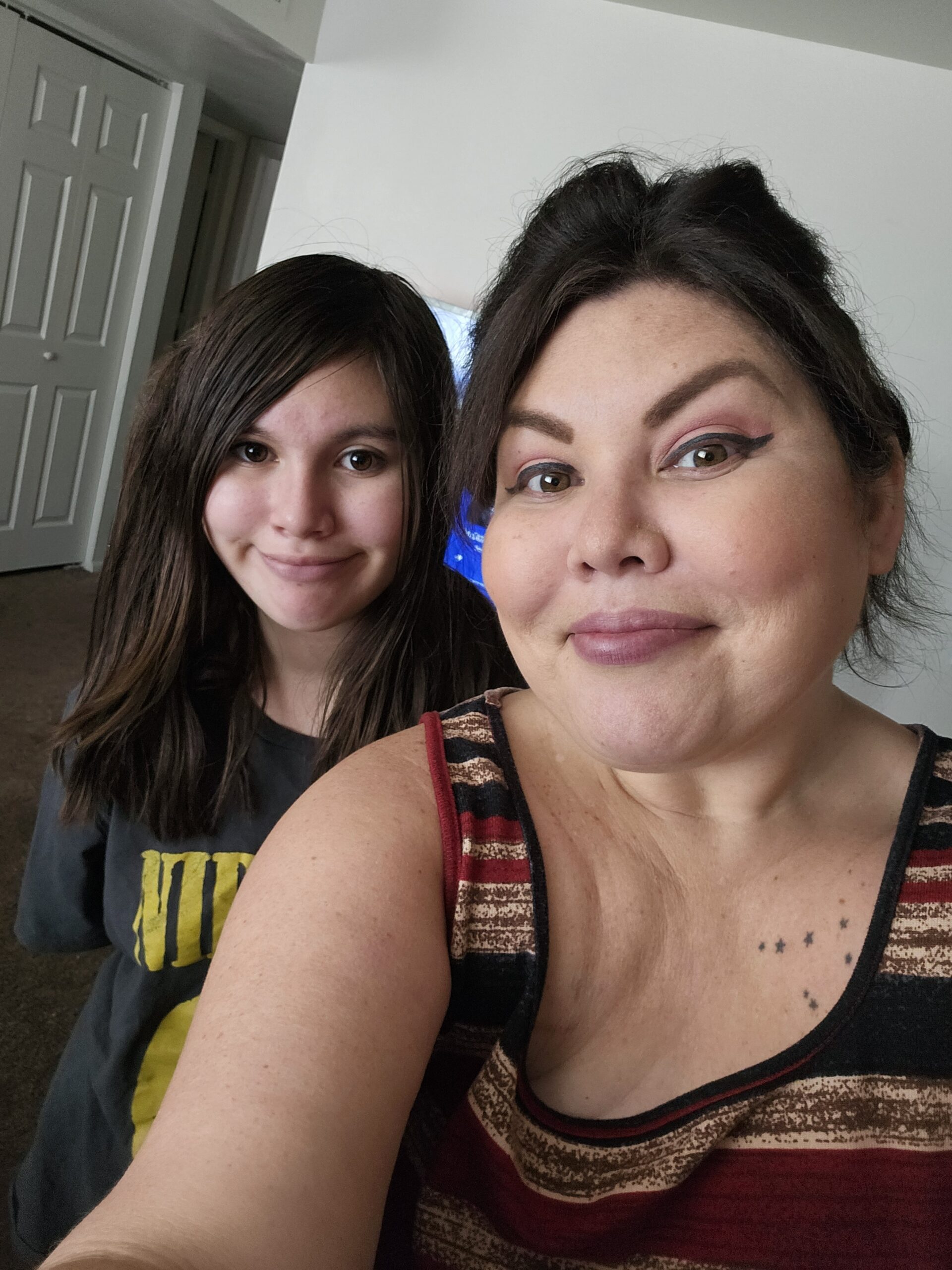
For Blake-Ontiveros, the overarching goal remains simple: ensuring that individuals facing the compounding weight of cancer and severe mental health challenges feel seen, supported, and understood.
"All I needed was to know that one person felt seen… because I have a feeling that there’s a lot of people with breast cancer and deeper mental health issues than just depression and anxiety, and there’s so much stigma," she reflected.
Armed with ongoing treatment, unwavering resilience, and advanced advocacy training, Blake-Ontiveros continues to forge ahead, holding firmly to a personal vow: "I’m never going to stop being me. Cancer will not change that about me. I will never stop being me, but I will adapt and keep adapting."