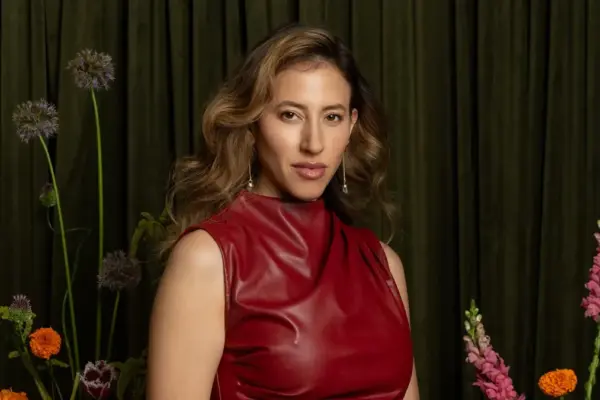





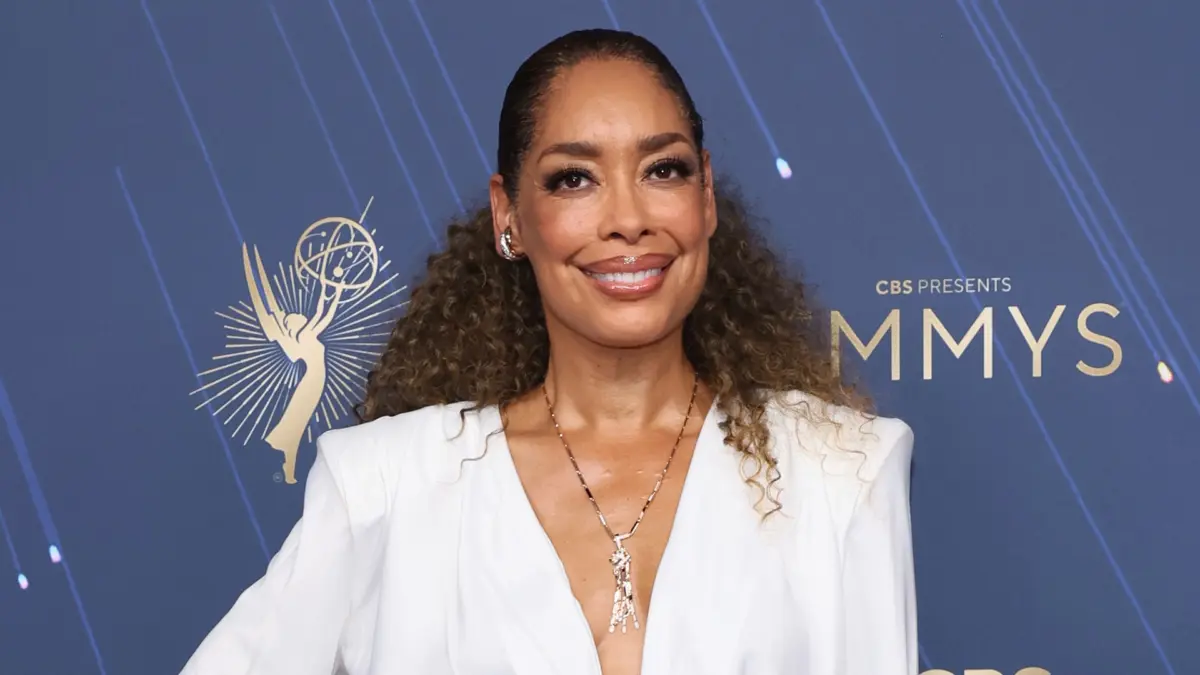
For acclaimed actress Gina Torres, returning to Broadway in the hit musical Buena Vista Social Club represents far more than just another high-profile acting credit. It means stepping directly into a narrative that feels profoundly like home.
Starting today, October 13, Torres officially begins her limited run as the legendary Cuban singer Omara Portuondo, a role she will perform through November 29. She is stepping into the production temporarily while Tony Award-winning actress Natalie Venetia Belcon takes a planned leave of absence to star in a revival of In the Heights at New York City Center.
For Torres, the journey carries a deep sense of personal history and professional milestone. She originally made her Broadway debut back in 1994, long before she became widely recognized by television audiences around the world for her memorable, commanding roles in hit series such as Suits and Joss Whedon’s sci-fi classic Firefly. Now, more than three decades after her initial bow on the Great White Way, she returns in a production that directly mirrors her own Cuban American experience, offering a powerful reflection of her deep pride in being Cubana and Afro-Latina.
That profound personal connection adds an extraordinary layer of emotional weight to her return to the stage. It is especially poignant, she notes, at a time when audiences are hungry for authentic Cuban stories that accurately reflect the community’s complex history, enduring culture, resilience, and irrepressible joy.
When Torres first sat in the audience to watch Buena Vista Social Club, she immediately recognized something deeply familiar in the air, the music, and the storytelling. It was an experience that resonated instantly with her own upbringing and identity.
"It was home. It felt like home. It was familiar," Torres shares in an interview with HipLatina. "It was the story of my family in a lot of ways. And that’s not something that I have gotten to experience very often at all, not just as an Afro-Cubana in the world, but as an actress, seeing that kind of representation and being part of it."
Now, by stepping into the shoes of Omara Portuondo—widely celebrated as one of the most influential and enduring figures in the rich history of Cuban music—Torres has been handed the prestigious responsibility of introducing the singer’s remarkable legacy to an entirely new generation of theatergoers. She points out that part of what makes this particular opportunity so uniquely special is the fact that Portuondo’s massive contributions to Latin music deserve a much wider level of mainstream recognition.
"What’s wonderful about telling Omara’s story is, unlike Celia Cruz—I mean, Celia’s made it to the quarter. There’s a quarter with Celia on it, right?" Torres notes, highlighting the iconic salsa singer’s ubiquitous cultural status. "Everybody knows Celia, but not everybody knows Omara and the impact that she had in terms of the music, in terms of Cuban music specifically."
Portuondo achieved greater international recognition later in life, following the massive, unexpected success of the 1997 Buena Vista Social Club album and the critically acclaimed 1999 documentary directed by Wim Wenders, which collectively introduced global audiences to the aging masters of traditional Cuban son and bolero music. Reflecting on the historical context of these artists, Torres points to a particularly pivotal and poignant line in the stage production, spoken by the late Cuban guitarist and singer Compay Segundo. In the show, he reflects on the deep historical divide between those artists who chose to stay in Cuba and those who ultimately left. Torres explains that this geographic and political separation ultimately shaped which artists and stories successfully reached the rest of the world.
"And who knows what we all would have known of her, what her life would have become, what our relationship to her might have been if she had been one of the ones that left," Torres says thoughtfully. "But fortunately, we have her voice, we still have her presence, and we get this beautiful vehicle to be able to share her now with the world and anybody who comes to Broadway at this moment in time, or maybe gets to revisit the documentary."
For Torres, the pull of the music goes far beyond any individual song, lyric, or specific memory from her past. The rigorous process of preparing for the role has brought her directly back to the foundational rhythms she grew up with—sounds that have long served as an invisible tether connecting her to her family, her heritage, and her culture.
"Really, it’s just the sounds. I couldn’t even point to a specific song. It’s the sounds. It’s the way the piano drops in, it’s the way the conga drops in, the sound of timbales, the guitar," she explains, describing the rich acoustic landscape of the production. "It really is more than just a lyric. It’s something that surrounds you that you can’t even put your finger on that feels like air."
That deep-seated familiarity also profoundly shapes how Torres understands Portuondo’s compelling life story. While the stage musical unflinchingly acknowledges the harsh and difficult circumstances of daily life in Cuba over the decades, she firmly believes that its most powerful and resonant message lies elsewhere. Rather than focusing solely on hardship and political struggle, she sees an uplifting narrative about the enduring power of art to sustain human beings through unimaginable adversity.
"The purpose of theater and the play is in light of everything that happens—and spoiler alert: the situation in Cuba, which became very difficult and, in many ways, untenable. But that’s not what this story is," she says. "We’re so used to seeing that story. [But] this is a story of triumph. This is a story of how loving something brings you through. It’s survival. She’s a survivor. She’s a strong woman who believed in her art and that her art was at the center of her life and her survival. And that’s how she chose to live it."
Torres passionately hopes that this universal message of resilience and passion resonates deeply with audiences of all cultural backgrounds and walks of life. To her mind, powerful storytelling possesses a unique ability to allow people from entirely different worlds to recognize themselves in human experiences that may initially seem unfamiliar or distant. However, for Cuban and Latine audiences in particular, she hopes the production offers something much more intimate and restorative: the profound feeling of being recognized, valued, and celebrated.
"I think good storytelling is blind to race and color and economic disparity. And a good story is a human story," she says. "That’s what I expect people who don’t share the culture to come away with. I hope they come away having spent time with people, with other human beings who have had heartbreak, who have fallen in love, and who see themselves in those stories. For the culture, para mi gente, for the Cubans and Latinos that come in there, I want them to feel loved up. I want them to feel seen. I want them to feel heard. I want them to feel cherished."
Stepping back onto the Broadway stage also marks a welcome return to a medium that offers an entirely different kind of creative fulfillment compared to the fast-paced worlds of television and film. In theater, Torres explains, an actor is granted the rare privilege of inhabiting a story from its absolute beginning to its definitive end, relying entirely on their own theatrical craft and the collective energy of their fellow performers to sustain the emotional arc in real time.
"Theater is an actor’s. It’s the actor’s medium. Television and film, it’s primarily the writers and the directors driving it," she observes, contrasting the different artistic disciplines. "That’s not to say that the writers and the directors aren’t an important part of theater. Of course they are. It’s an incredibly collaborative thing where everybody is important. The difference is in theater, you start at the beginning, and you’re not interrupted until you get all the way to the end. And it is in that in-between time where you are really relying on yourself, your craft, your skillset, and your scene partners and the people that you’re with."
For those intense ninety minutes to two hours every night, she explains, the entire cast engages in a delicate, high-stakes theatrical dance that demands an actor’s absolute, undivided presence.
"And it’s beautiful. And it requires everything. It requires the entirety of self, and you’re giving it," she says. "You’re giving all of yourself in that timeframe—in that period. And that’s wonderful."
With her triumphant limited engagement in Buena Vista Social Club, Gina Torres brings that total, uncompromising creative commitment to a production that mirrors her own heritage while honoring a musical pioneer whose monumental influence has long deserved a brighter spotlight. It represents a rare and precious chance to celebrate the timeless music that has always felt like home—and to warmly invite audiences of all backgrounds to share in that deeply personal feeling.