



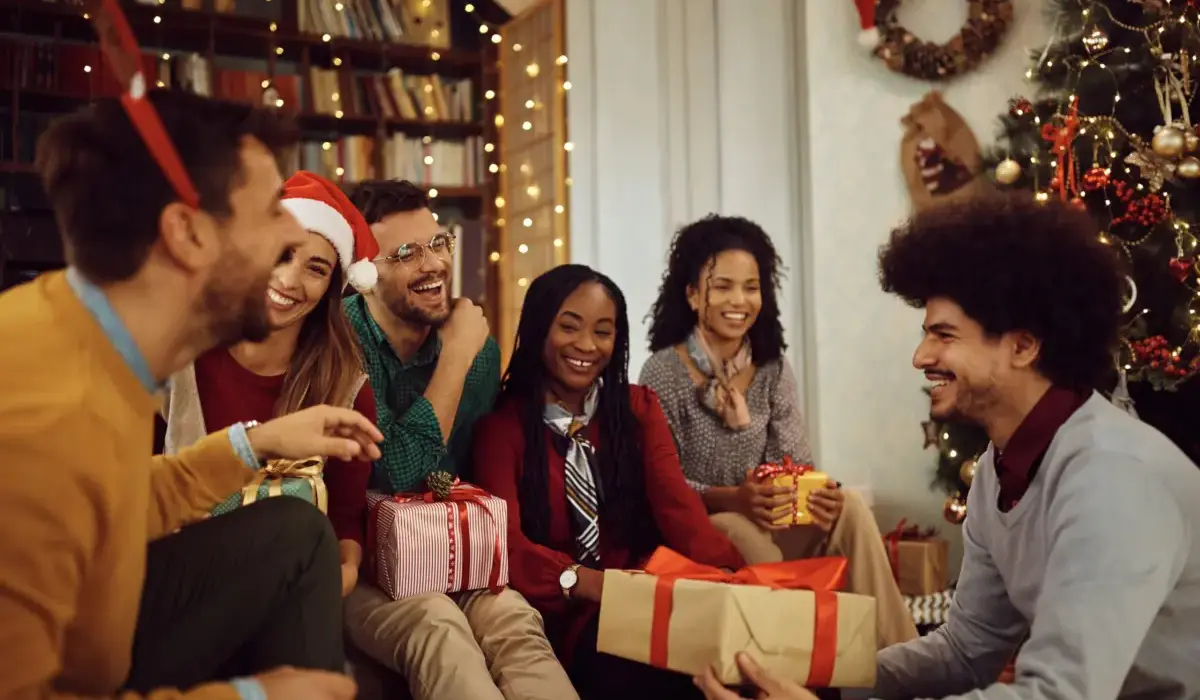
For many first- and second-generation Latinos living in the United States, the holiday season evokes a bittersweet blend of cherished childhood memories and the logistical realities of modern life. Among the most deeply rooted celebrations is Nochebuena—Christmas Eve—a night traditionally defined by large, boisterous family gatherings, hours of meticulous cooking, and communal warmth that stretches well past midnight.
Growing up in a vibrant, large Latin household, Nochebuena was unequivocally the biggest night of the year. Abuelas would spend days ahead of the holiday preparing traditional dishes, filling the air with the comforting aromas of canela (cinnamon), simmering arroz con leche, and fresh salsas poured over carne con papas. Tables groaned under the weight of arrolladitos de atún y tomate and traditional flans with a twist of condensed milk and dulce de leche, ensuring that no guest ever left hungry.
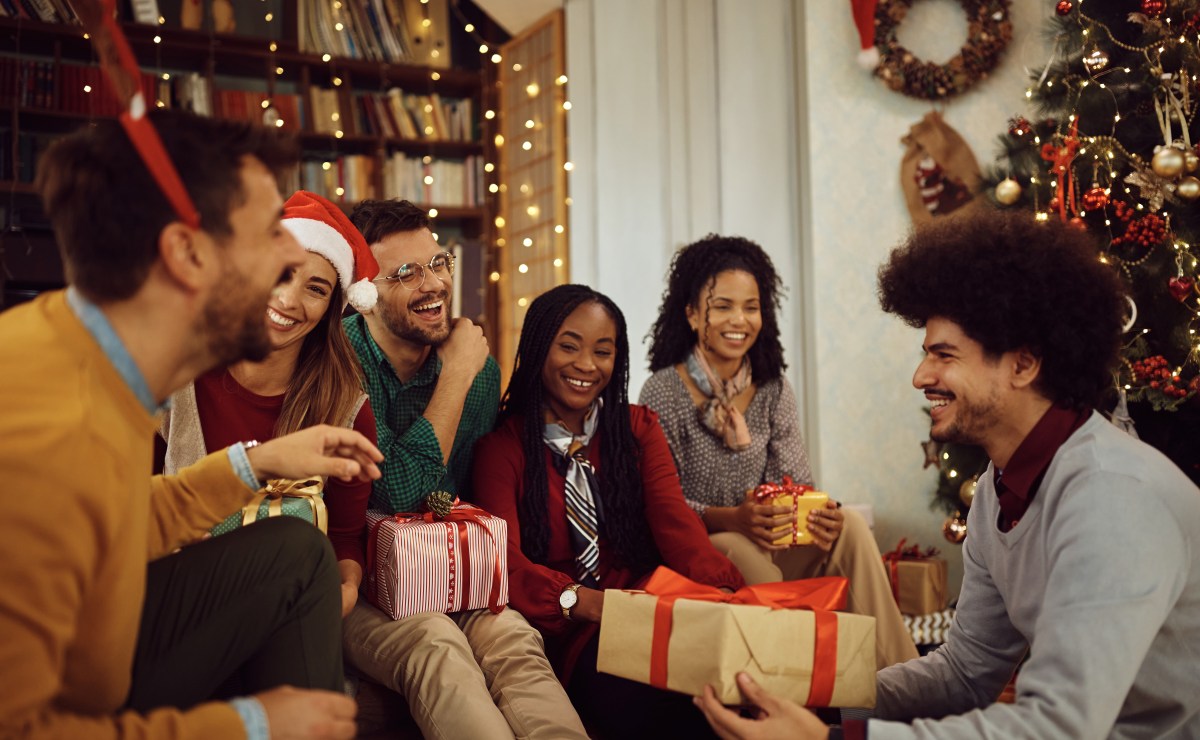
Relatives would routinely arrive around eight o’clock in the evening, instantly filling living rooms with a kaleidoscope of color, animated conversation, and overlapping chatter. Despite the lack of structured rhythm, there was an unmistakable sense of deep connection among family members. The evening was punctuated by frequent bursts of laughter, the anticipation of midnight gift-opening, and the rare, thrilling permission for the youngest children to stay up unusually late. Those boisterous yet warm nights ultimately defined what home meant for many children of the diaspora.
Today, however, the landscape of the holiday looks distinctively different. With many family members living hundreds or thousands of miles away, and the relentless pace of urban life in cities like New York demanding constant adaptation, celebrating Nochebuena requires a deliberate effort. Yet, for countless families navigating life across the U.S., the holiday remains a cornerstone tradition that they refuse to let slip away.
The core challenge lies in preserving the effortless sense of community and unconditional welcome that characterized those childhood gatherings. Rather than attempting an impossible, pixel-perfect recreation of the past, many have learned to blend old-world traditions with contemporary circumstances, shaping Nochebuena to fit their current season of life. Even amidst the heavy demands and pressures of the modern world, the holiday continues to provide a vital reason to pause, gather, and celebrate in community. Whether set tables host extended relatives or chosen families of close friends past the midnight hour, the fundamental certainty remains: this is what home feels like.

The Remix: How It Looks Now
For many modern households, the current state of Nochebuena can best be summarized as "same but different."
Modern culinary technology and streamlined logistics have fundamentally transformed dinner preparation. While nothing can truly replace the sheer dedication and generational talent of an abuelita’s kitchen, contemporary hosts honor those foundational cooking and hosting lessons through adapted methods. Modern cooking appliances allow home cooks to achieve authentic staple flavors without spending hours confined to the kitchen.
At the same time, digital platforms and e-commerce services have simplified event organization. From specialized kitchen tools like Tramontina knives for oven-roasted beef to aesthetic touches like green linen tablecloths and twinkling indoor holiday lights, festive preparations arrive with unprecedented ease. This streamlined approach aligns seamlessly with the busy lives of professionals and parents navigating the intense pace of metropolitan areas, all while successfully cultivating the cozy, welcoming atmosphere that families cherish.
Food, Always at the Center
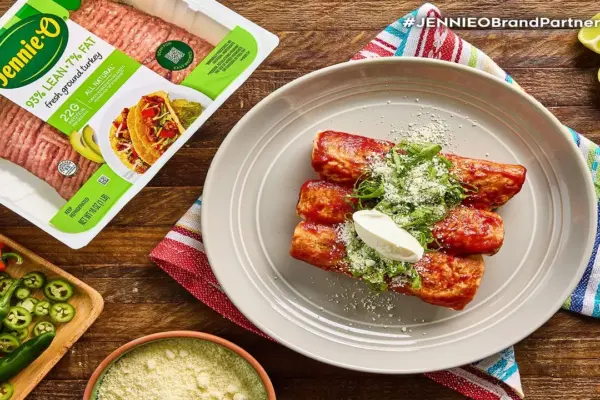
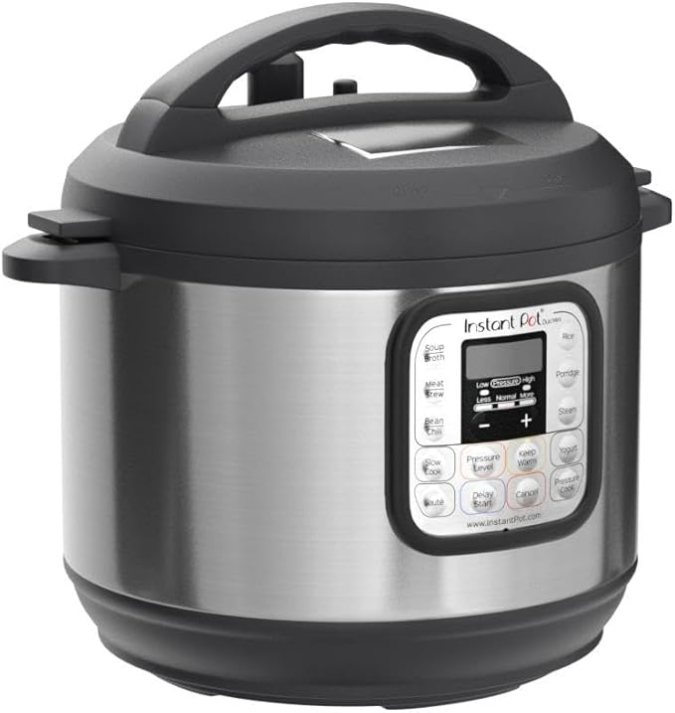
Food remains firmly at the heart of Nochebuena, serving as both a culinary anchor and a tribute to ancestral roots. While maintaining the integrity of original family menus, contemporary hosts have embraced efficiency to balance heritage with busy schedules. Multi-use appliances, such as 7-in-1 pressure cookers, have become essential tools, working efficiently to simplify the preparation of everything from arroz con leche and shredded taco chicken to rich carne con papas. These devices allow meals to come together in a fraction of traditional cooking times while preserving the cozy, homemade quality characteristic of holiday feasts. Furthermore, their multitasking capabilities enable hosts to keep dishes warm while simultaneously focusing on other elements of the meal.
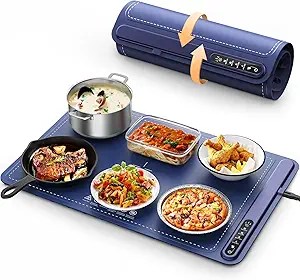
Kitchen duties have also evolved into collaborative family moments. Younger generations frequently participate in meal preparation, safely chopping vegetables for salads and salsas using modern electric choppers. Additionally, quick-heating silicone warming trays frequently serve as functional centerpieces on holiday tables, ensuring that dishes remain piping hot no matter how long conversations stretch between servings. Through these adaptations, the flavors remain authentically tied to tradition, even as the labor required to produce them becomes more manageable.
Decor That Blends Old and New
Visual traditions continue to play a powerful role in connecting the present celebration to the past. Many households maintain the custom of displaying a Nacimiento (nativity scene), echoing the majestic ceramic displays that once anchored their grandmothers’ living rooms. Though modern nativity sets may be more compact, they are frequently enhanced with contemporary LED string lights and festive electric candles to recreate the ambient warmth of earlier decades.

The Christmas tree similarly serves as a vibrant focal point, often decorated in a heritage-inspired style. Artisanal, handmade ornaments sourced from across Latin America—ranging from hand-carved wooden Bethlehem stars to beaded embroidered balls—help bring back the rich colors and tactile textures of a grandparent’s home. These decorative elements bridge geographic divides, grounding modern living spaces in historical and cultural continuity.
Music, the Soul of Our Gathering
Soundscapes remain integral to the holiday atmosphere. Historically, the soundtrack of Nochebuena relied heavily on traditional Spanish-language villancicos and Christian music that underscored the spiritual roots of the holiday, emphasizing themes of kindness, generosity, and solidarity. While traditional holiday books help preserve these memories for the youngest family members, modern celebrations frequently incorporate a broader, more eclectic mix of festive music.
Curated playlists blending classic holiday recordings by José Feliciano with tracks from artists like Becky G, Juanes, Luis Miguel’s Christmas album, and upbeat salsa for dancing create a lighter, multi-generational ambiance. As the music plays, hosts often share personal stories of older generations reciting passages while setting the table. Portable smart speakers allow these celebratory sounds to flow seamlessly from room to room as families cook, converse, and dine.
Connection Across Distance
For those living far from their extended families, Nochebuena often centers primarily on immediate households—spouses, children, and close friends who have become chosen family. Traditional elements, such as midnight gift-opening, remain steadfast, with an emphasis on meaningful, artisanal gifts sourced from independent creators and makers.
However, the geographic distance from relatives back home remains one of the most challenging adjustments for immigrants and displaced families. To counter this, digital tools and shared wish lists have become vital solutions for maintaining connection. Families separated by multiple state lines frequently coordinate gift exchanges and open packages together via video chat at midnight, turning technology into a bridge for shared celebration.
Passing down the core values of the holiday—such as kindness, respect, and empathy—remains a priority, even when families choose distinct paths regarding formal religious doctrines. During the weeks of Advent leading up to the holiday, parents often read stories with their children that inspire compassion and highlight the small, everyday miracles people can create together.
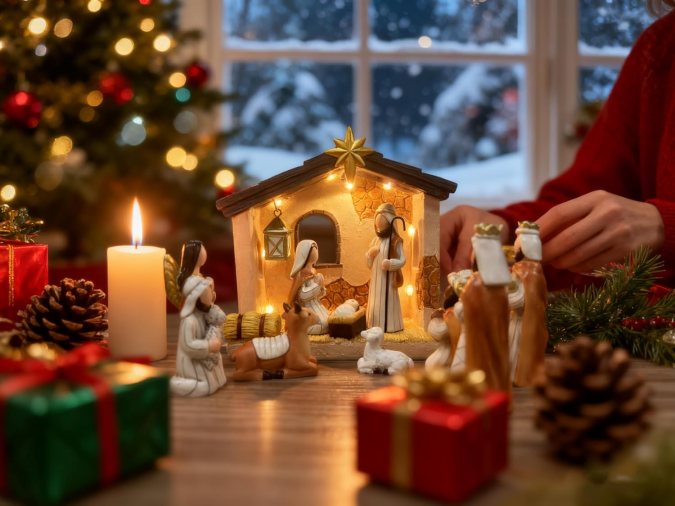
Ultimately, traditions evolve, but their underlying essence endures. Whether it is through handmade appetizers shaped by young hands, a curated playlist bridging decades of Latin music, or candles lit simultaneously across different states, Nochebuena continues to offer a profound sense of belonging. Home is not merely a geographic location from the past, but rather the active traditions carried forward, the love passed down, and the deliberate choices families make to celebrate together in their own unique way.