







September 24, 2026 – 09:29
The recent wave of public speculation regarding Jenna Ortega’s physical appearance has been profoundly difficult to watch—not because a celebrity’s body requires any public explanation or defense, but because the relentless media cycle and online commentary lay bare how deeply normalized it remains to discuss women’s bodies as if they are public property. These bodies are treated as open spaces for observation, public assessment, unsolicited concern, and harsh criticism, stripped of the basic privacy and dignity afforded to private individuals.
Having spent the majority of my life as a relatively thin person, I am acutely aware that the occasional comments I receive about my body do not equate to the systemic weight stigma, judgment, and discrimination experienced daily by people in larger bodies. Yet, navigating this past year has served as a stark reminder of just how deeply our broader culture has normalized treating personal weight and physical changes as public information.
Earlier this year, I experienced unintentional weight loss while battling Small Intestinal Bacterial Overgrowth (SIBO), a painful gastrointestinal condition that at times left me struggling to digest more than a single meal a day. Despite the underlying illness and physical distress, neighbors, acquaintances, and casual passersby began congratulating me. Their enthusiastic compliments reflected a society so obsessively committed to thinness that visible weight loss is reflexively interpreted as good news, completely divorced from whether a person is actually healthy, thriving, or fighting a severe medical condition.
This toxic cultural dynamic makes it unsurprising that generations of women continue to struggle profoundly with distorted body image, low self-esteem, and severe eating disorders. In a candid interview with Jay Shetty this past July, actress Camila Mendes opened up about her own historical struggles with bulimia, body image, and perfectionism during her time on the television series Riverdale. Mendes described the deep confusion she felt when people showered her with praise and compliments during periods when she had lost weight specifically because of her eating disorder. That misplaced praise reinforced the dangerous, pervasive cultural notion that she looked her absolute best at her thinnest, even when her body was suffering and she was profoundly unwell.
That, ultimately, is the inescapable trap of navigating the world as a woman: no version, shape, or size of our bodies ever seems to escape unsolicited commentary. If you are thin, you are told you look frail or sickly; if you carry weight, you are scrutinized for not fitting narrow beauty standards; if you have curves, you are evaluated on whether they measure up to the fleeting trends dictated by media and fashion. People constantly find something to observe, question, praise, criticize, or feign worry about. Living on the receiving end of that perpetual scrutiny is emotionally and mentally exhausting.
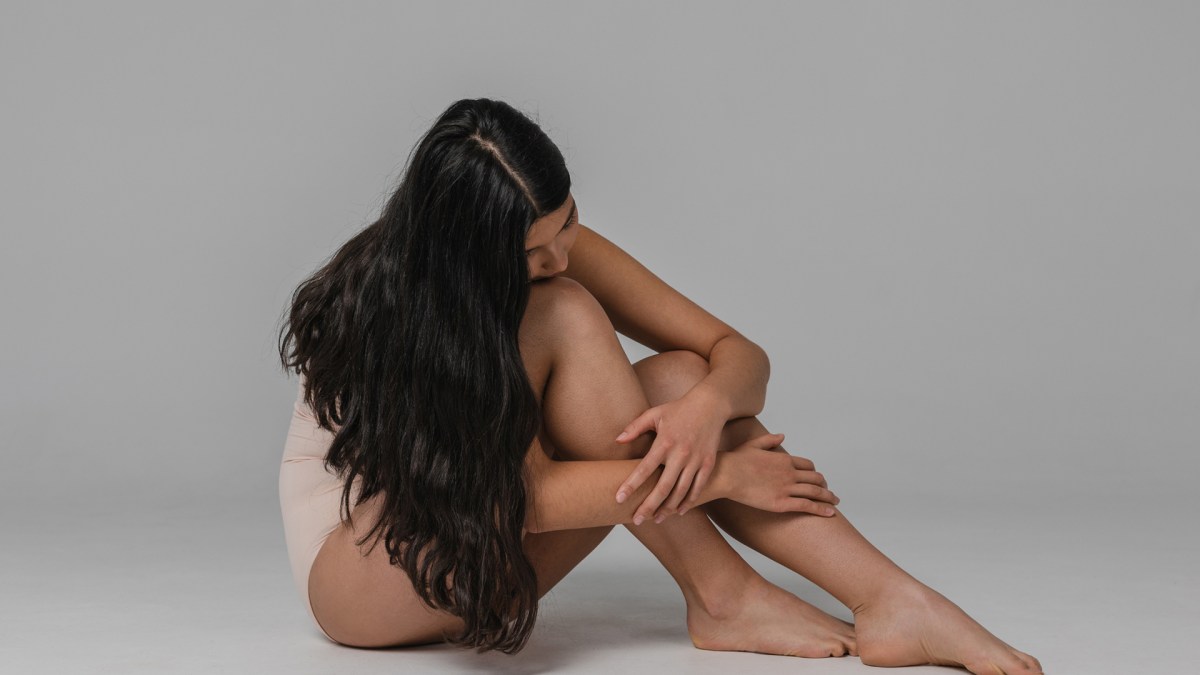
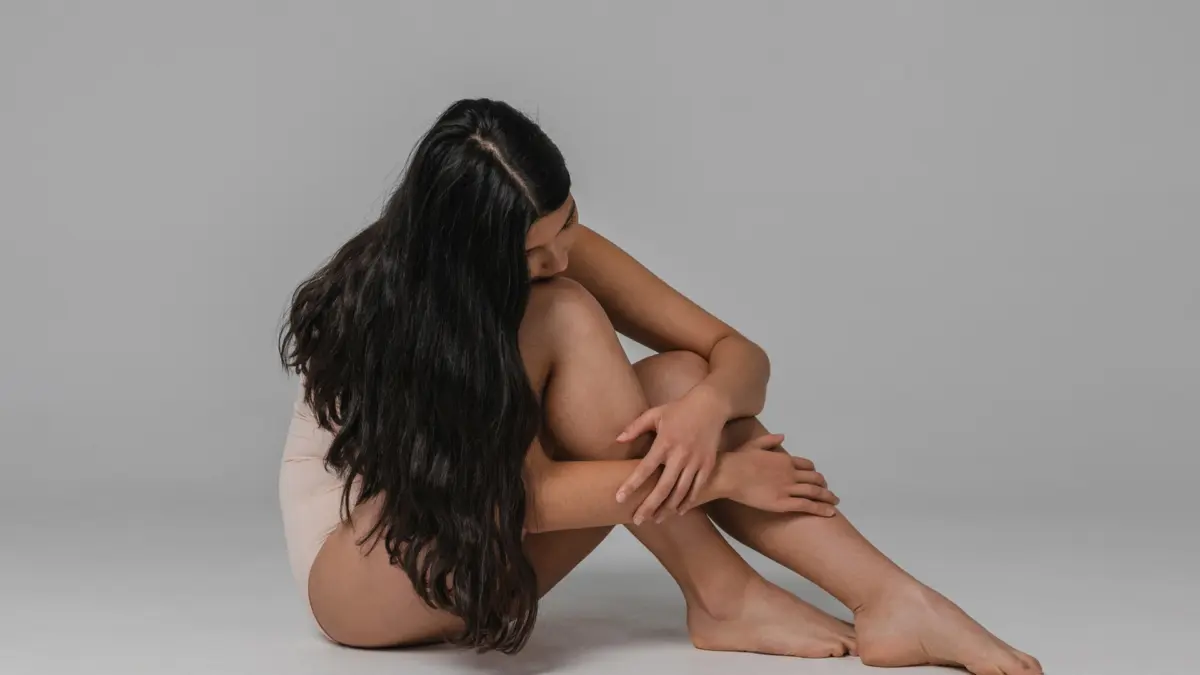
For Latinas, that acute scrutiny often begins at an astonishingly young age. Many of us grow up embedded in family structures, households, and cultural environments where commenting openly on women’s bodies is so thoroughly normalized that we do not always immediately recognize these remarks as boundary violations. It is a deeply ingrained part of domestic life. One relative pulls you aside to tell you that you have gotten too skinny, while another is quick to point out that you have put on weight. A tía feels entirely comfortable offering an unprompted critique of your thighs, hips, or waistline during a family dinner.
Growing up, my own girl cousins frequently told me that I was too skinny and needed to eat more to gain weight. Within my family, one of my enduring nicknames has always been flaca. While it was almost always intended as a term of endearment, reflecting familial affection rather than malice, the reality remains that losing even a few pounds could suddenly transform that casual nickname into a focal point of intense family concern.
Jokes and remarks about my thinness rarely caused me deep personal distress, and I always understood that they frequently stemmed from a place of genuine love and familial care. However, loving intentions do not magically erase the underlying message communicated by those constant remarks: that my physical body is public domain, available for others to evaluate, quantify, and monitor.
What makes this exhausting scrutiny particularly complex and contradictory for Latinas is the dizzying array of contradictory expectations placed upon us from all directions. We are repeatedly told to be thin—yet cautioned never to be too thin. We are encouraged to be curvy and embrace our heritage, but never to be labeled "fat." We are expected to look feminine and voluptuous, provided that our stomachs remain perfectly flat and our waists impossibly tiny. We are encouraged at family gatherings to eat and enjoy our traditional foods, only to be subtly or overtly criticized if those meals lead to visible weight gain. We are praised for losing weight, only to be immediately cross-examined with questions about whether we are eating enough or taking care of ourselves—a question I have personally heard echoed around me my entire life. No version of our physical selves is ever simply allowed to exist in peace.
This pervasive cultural climate helps explain why the recent public reaction to Jenna Ortega’s body felt so painfully familiar. The young actress found herself subjected to a fresh wave of invasive commentary and speculation across social media platforms regarding her appearance. In response to the chatter, her younger sister, Aliyah, recently stepped up to support a fan’s message reminding the public of a fundamental truth: that Jenna “doesn’t owe anyone an explanation” for her body or her health.
The underlying principle is remarkably simple and long overdue for widespread adoption: women should never be forced to explain why their physical bodies look the way they do, whether those changes are due to genetics, stress, lifestyle, or private health struggles. And yet, here we are, still needing to articulate this basic boundary. A woman’s physical body is not a public question that she is legally, morally, or socially required to answer.