
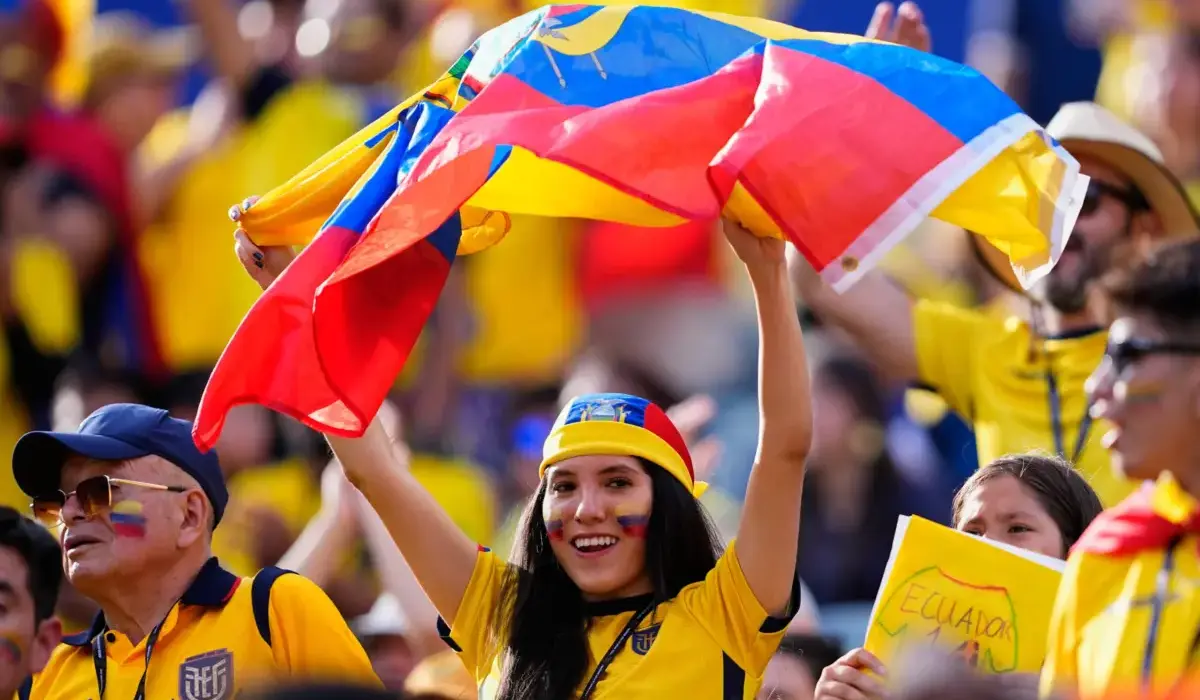
The 2026 FIFA World Cup officially kicked off on Thursday, June 11, marking a monumental opening match between Mexico and South Africa in the heart of Mexico City. This tournament stands as the largest World Cup in the history of the sport, representing a true watershed moment for global fútbol. Co-hosted across North America, the historic event sees the United States hosting an overwhelming 78 of the tournament’s 104 total matches, while Mexico and Canada share the remaining fixtures by hosting 13 games each.
Yet, despite the unprecedented scale of the tournament and its historic footprint across North American soil, conversations surrounding the event in the United States often seem to pivot toward a familiar recurring question: whether mainstream American sports fans will finally embrace fútbol on a permanent basis. Prominent media outlets, including The New York Times and The New Yorker, have recently published pieces exploring this exact cultural phenomenon, pondering the depth of the nation’s engagement. While it remains difficult to pinpoint the exact psychological or cultural factors at play, there persists a palpable sense that this year’s tournament is not quite being met with the roaring, universal level of anticipation that many analysts expected from such a landmark international sporting moment.
However, for millions of Latines living in the United States, the World Cup has never been strictly about sports statistics, television ratings, or mainstream domestic conversion metrics.
For U.S.-born and immigrant Latines alike, the tournament transcends the boundaries of the athletic pitch, functioning instead as a vibrant living canvas for culture, heritage, and collective pride. This profound cultural intersection is further reflected in broader lifestyle trends. According to Pinterest’s newly released Summer Trend Report for 2026, sports fandom is increasingly evolving into a dynamic lifestyle movement, weaving its way into contemporary street style, beauty standards, and daily wellness routines. The platform has documented significant, measurable increases in searches for World Cup-inspired fashion, including sought-after jersey outfits honoring national teams such as Brazil, Mexico, and Colombia. These digital trends offer yet another layer of proof that for a massive segment of the population, soccer is not merely something passive to watch on a screen—it is something deeply experiential, something you actively live and breathe.
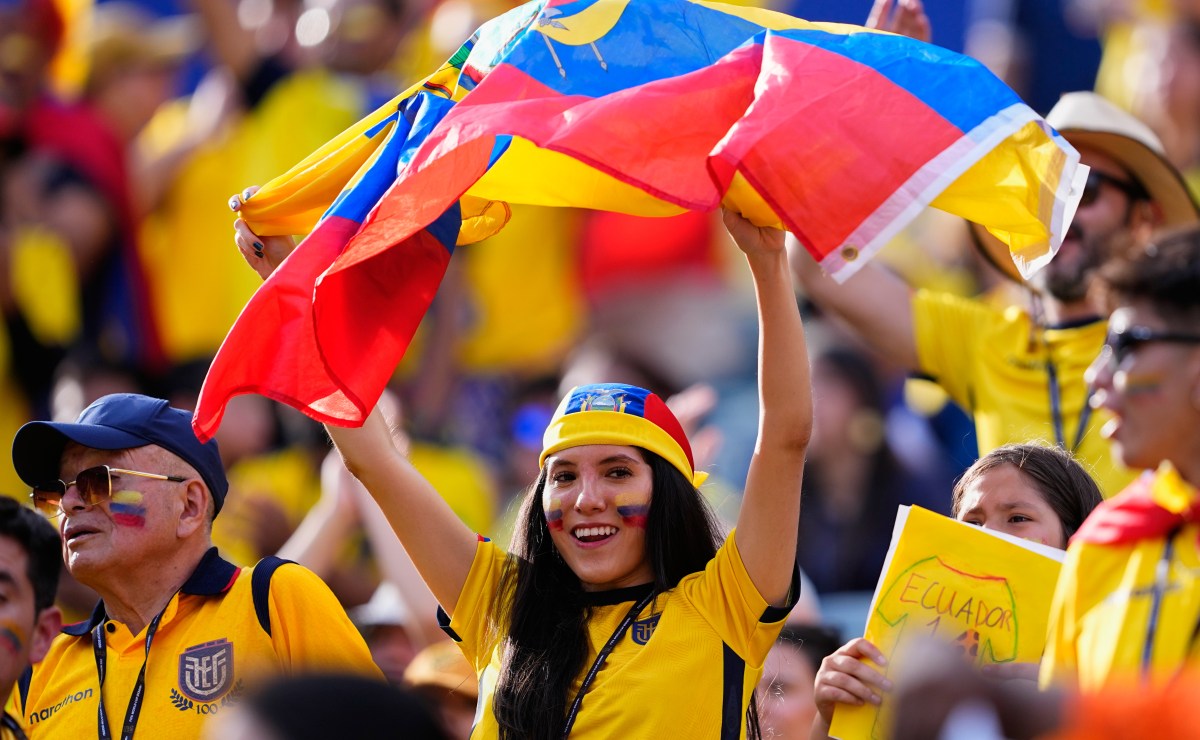
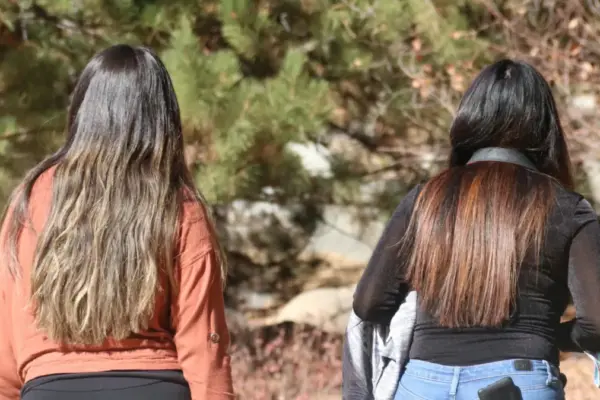
The vibrant reality of this cultural intersection was visible on the streets this past weekend, particularly in a bustling global metropolis like New York City. The weekend offered a whirlwind confluence of celebrations and community milestones. On Saturday night, local sports fans were out in full force celebrating the New York Knicks, while Sunday afternoon brought vibrant throngs of people waving Puerto Rican flags at the traditional Puerto Rican Day Parade winding through Manhattan. Yet, amid the sea of Knicks basketball gear and fluttering Puerto Rican flag merchandise, another distinct visual narrative emerged. Across the vibrant neighborhoods of Queens and Manhattan, plenty of fans—with Latina women standing out in particular—could be spotted proudly wearing the colors of the Brazilian, Mexican, and Colombian flags, fully decked out in sophisticated, trendsetting street style.
Witnessing these scenes quickly revealed that this display goes far beyond simple fashion choices or fleeting seasonal trends. For many Latinas, this year’s World Cup has transformed into a vital, public opportunity to unapologetically celebrate their roots, their ancestral heritage, and the specific home countries that shaped their families. At a historical moment when many Latines across the United States feel increasingly targeted by aggressive anti-immigrant political rhetoric and systemic discrimination, such open expressions of cultural pride carry profound emotional and political weight. For many communities navigating these societal pressures, this World Cup is arriving precisely when it is needed most.
As the tournament moves deeper into its schedule, matches are drawing passionate crowds, such as the enthusiastic supporters cheering ahead of the Group H match between Saudi Arabia and Uruguay in Miami Gardens, Florida.
In many ways, this year’s global tournament has offered communities something that Latines do not always receive in abundance within mainstream media and societal narratives: moments that make them feel genuinely seen, celebrated, and undeniably woven into the intricate fabric of modern American culture. That sense of belonging and cultural validation is precisely what the FIFA World Cup is delivering in 2026. Because of this, regardless of whether someone considers themselves a die-hard fútbol fanatic or someone who rarely watches sports, tuning into the tournament offers a rare, powerful opportunity not only to acknowledge shared heritage, but to celebrate one’s identity within a supportive community.
At a time when the sociopolitical climate often feels hostile, this year’s World Cup transcends the definition of a standard athletic competition. It serves as an empowering platform to honor roots, cultures, and homelands loudly and without reservation. Ultimately, regardless of shifting political tides or administrations, collective joy, fierce cultural pride, and resilient community bonds remain enduring forces that no external pressure can ever take away.