






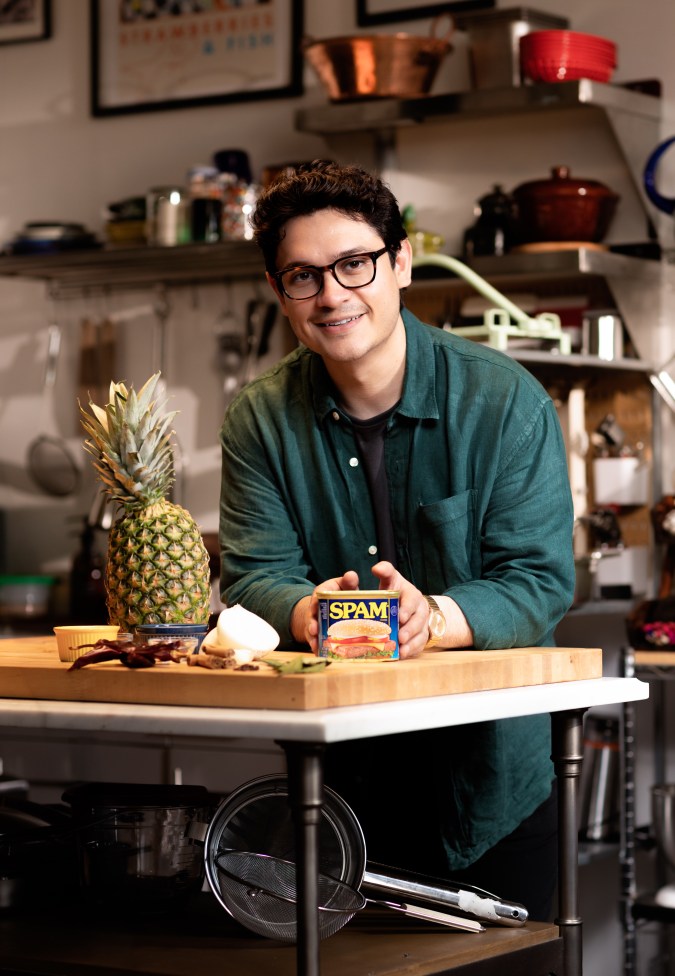
There is a distinct, unmistakable kind of magic that fills an apartment when the aromatic blend of chilies, warm cinnamon, and sweet pineapple drifts through the air. For professional home cook Fabrizio Villalpando, it is more than just dinner preparations; it is the scent of his childhood in Oregon, and now, it is the fragrance he carries next door to celebrate his vecinos in Brooklyn.
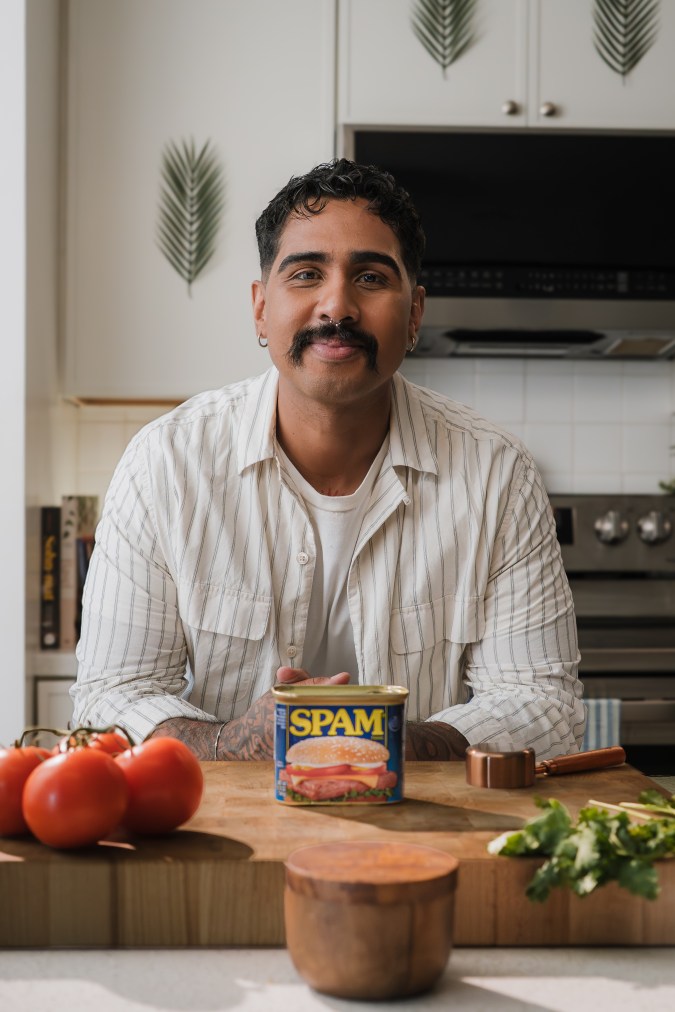
Across the country in Los Angeles, Jon Dillanes—widely known to his digital audience as Hrna Eatz—is engaging in a nearly identical ritual. He is cooking a meal deeply inspired by his Latine heritage and bringing it directly to his next-door friends, utilizing food as the ultimate, organic excuse to knock on a door, catch up, and spend quality time together.
Both Villalpando and Dillanes are first-generation Mexican-American content creators whose digital and personal work consistently returns to a singular, foundational concept: that food is fundamentally an excuse to gather people around a table and forge deep, lasting human connections. Now, through the Noche de Vecinos initiative, both creators are leaning into their shared culinary philosophies by putting a creative, culturally blended spin on a pantry staple that bridges their past and present: SPAM Classic.
Fabrizio’s Long Road to the Kitchen
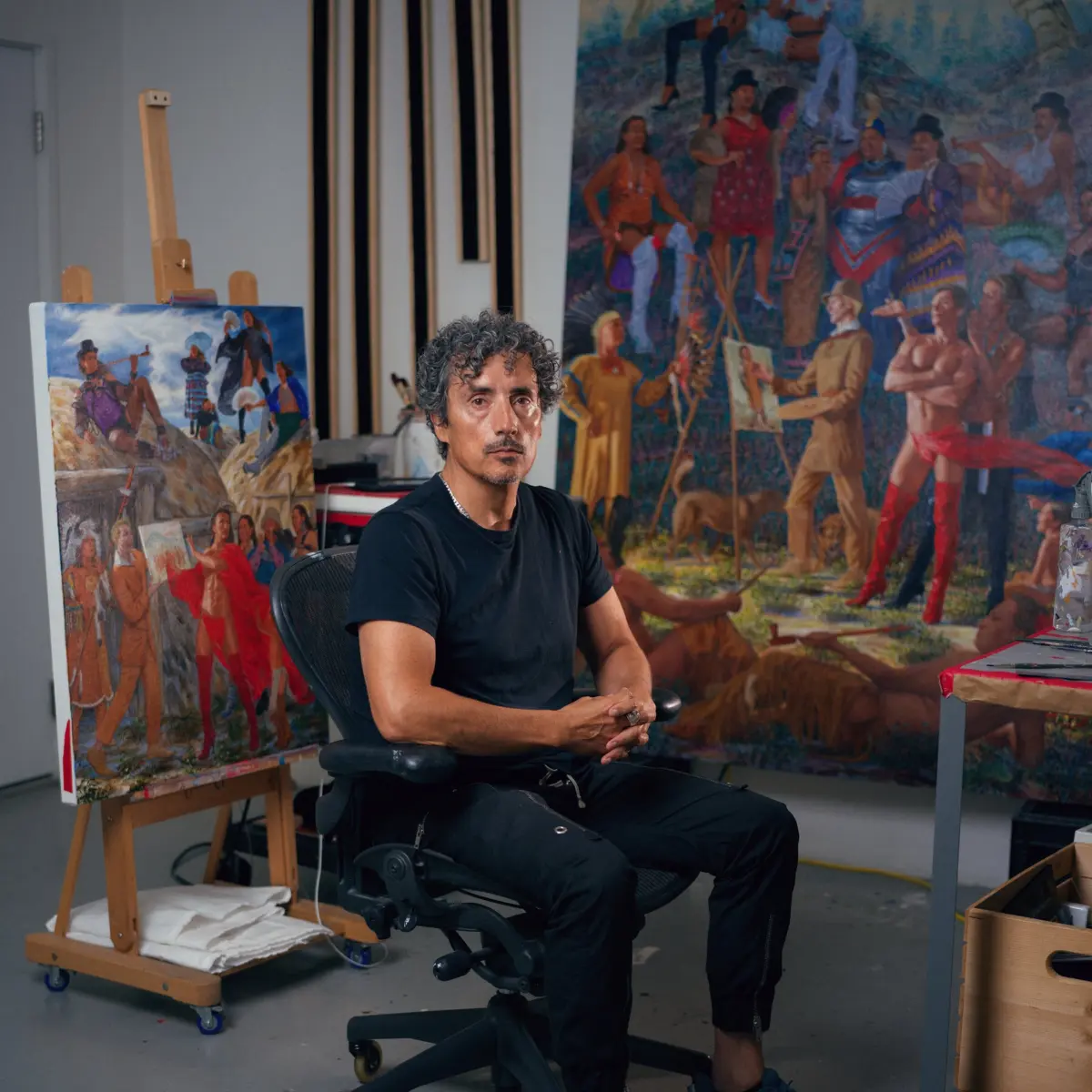
Fabrizio Villalpando is a professional home cook based in Brooklyn, and he is typically the first to admit that his job title still brings a genuine smile to his face. Reflecting on his career path, he notes that he feels he has secured one of the best jobs in the world. His daily routine involves preparing his favorite foods, sharing approachable and enticing recipes with a large digital audience, and occasionally inviting brave followers to cook along with him in real-time. Yet, looking at his current success, it is easy to overlook the long road it took to get there.
Villalpando’s journey in the culinary world began at the tender age of fourteen, when he took a job washing dishes at a small mom-and-pop restaurant in the Oregon town where he spent his formative years. Working in a commercial kitchen exposed him to an environment where hard work was frequently rewarded with communal meals simply because the staff was surrounded by food all day, every day.
He maintained that momentum and dedication for nearly a decade, eventually working his way up into high-end restaurants in Los Angeles. Watching seasoned professional chefs move with precision and artistry planted a seed in his mind, cementing the idea that cooking was not merely a chore, but a genuine art form worth pursuing with absolute dedication. When the COVID-19 pandemic fundamentally altered daily life, Villalpando seized the opportunity to rigorously teach himself. He began by studying French culinary classics, working his way through the foundational techniques of figures like Julia Child, alongside traditional Italian methods. However, his culinary curiosity eventually pulled him much closer to home, steering him back toward the flavors of his upbringing.
Jon’s Learning at His Mother’s Side
For Jon Dillanes, the culinary spark was ignited much earlier in life. His early education in the kitchen came directly from his mother, shaping an environment where cooking felt innate. Coming from a family where culinary skills seemed to be an inherent trait, he jokes that he felt like he was simply born knowing how to cook. As a small child, he would hover around the kitchen counters, eagerly waiting for an invitation to participate. He recalls standing around for hours, watching his mother closely and constantly asking how he could help with the meal preparations.
Gradually, his responsibilities expanded from simple tasks like cracking eggs to operating the hand mixer by the time he reached the fifth or sixth grade—a moment he still laughs about as feeling like the pinnacle of his youth. He is quick to point out that mastering tasks like cracking eggs was no trivial matter, noting that even a single speck of egg yolk contaminating the whites would ruin the meringue’s ability to puff up properly. He takes pride in those early chores, recognizing that he was putting in genuine work to earn his place in the kitchen.
As a first-generation Mexican-American born and raised in Northern California and now residing in Los Angeles, Dillanes grew up primarily with his mother, who hails from the state of Guerrero, cooking the traditional recipes of her homeland. For a long stretch of his childhood, it was just the two of them under one roof, except for the frequent occasions when guests would visit. He fondly remembers the vibrant energy those gatherings brought into their home, noting that long after everyone departed, the lingering atmosphere left him feeling deeply energized. That profound feeling became the foundational seed for everything he does today, transforming his view of cooking from a routine task into an active, meaningful act of service for the people he loves.
Cooking Their Way Back to Their Roots
Growing up as a first-generation Mexican-American kid in a small northwestern town during the late 1990s and early 2000s meant living in two distinct worlds at once for Villalpando. Inside his home, one culture prevailed with its own language, traditions, and aromas, but the moment he stepped out the front door, he encountered a completely different environment.
During his childhood, certain culinary traditions occasionally puzzled him. For instance, he wondered why anyone would spend time pressing tortillas completely by hand when convenient store-bought alternatives were readily available on grocery store shelves. It took growing older, combined with numerous formative trips to Mexico, to fully understand and appreciate the depth of those traditions. Eventually, food became his primary method of cultural exploration. As he grew more confident in his technical cooking abilities, a parallel curiosity about his culture and ancestral roots blossomed. He began using food as a deliberate vehicle to explore where his family came from.
Today, Villalpando’s cherished family memories live on vividly through the traditional Mexican recipes he regularly shares on his Instagram platform. He frequently thinks back to the ever-present pot of beans simmering on the stovetop and his childhood chore of sitting at the dining table with his mother, carefully sorting through the dried beans to pick out small stones and debris. Every Christmas, the heavy metal tortilla press would emerge to prepare lengua tacos, with young Fabrizio assigned the specific responsibility of mixing the masa dough. Those small responsibilities left a lasting impression, filling his current work with a heavy sense of nostalgia.
For Dillanes, the trajectory of his cooking started from a traditional Mexican foundation and gradually expanded to encompass global culinary traditions. The recipes he prepared most frequently during his youth were the Mexican dishes passed down by his mother. However, every time he dined out at restaurants, his mind immediately turned to dissecting the flavors and figuring out how to replicate those dishes at home.
Moving to Los Angeles blew his culinary world wide open. The city’s immense diversity and rich cultural tapestry meant he could access authentic, incredible food from all over the world within a remarkably short radius. For Dillanes, food transformed into a vital tool for understanding humanity. He expresses a never-ending curiosity for learning about the world through the lens of food, noting that it teaches invaluable lessons about different cultures and shared histories.
Noche de Vecinos: Two Roads to SPAM, Same Passion for Cooking and Sharing
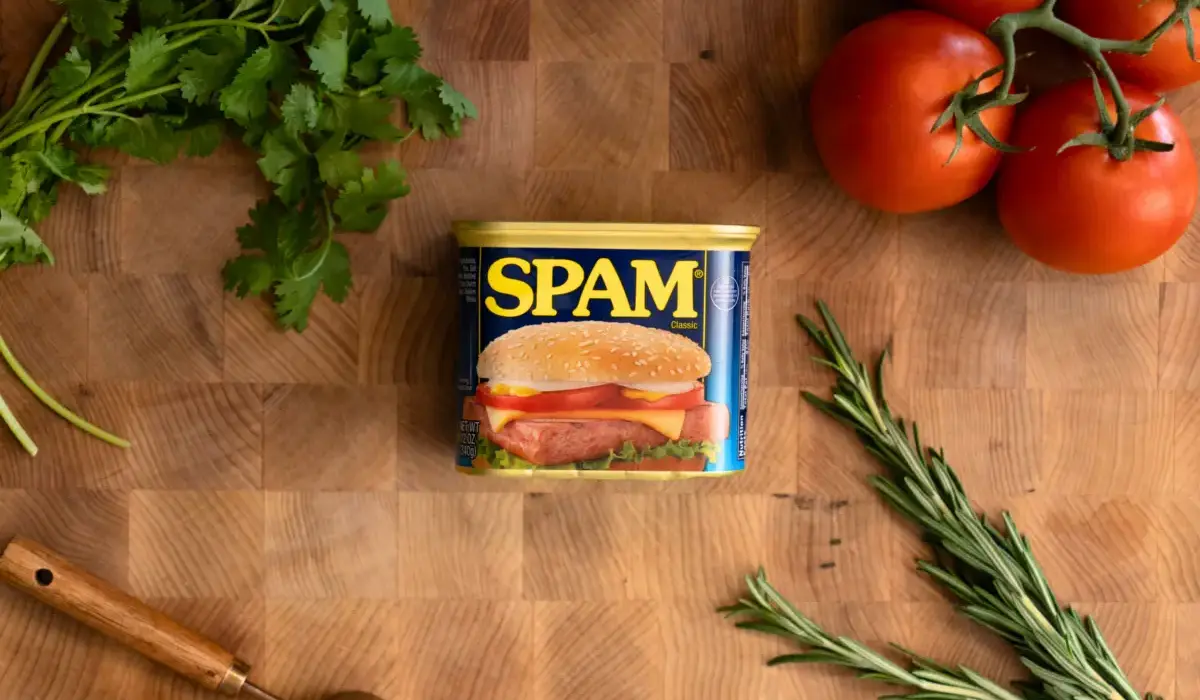
For Villalpando, SPAM Classic holds a deep, nostalgic connection to his past, as it was one of his favorite foods growing up. Now, participating in the brand’s Noche de Vecinos initiative, he is putting his signature Mexican culinary twist on the processed meat for the very first time.
His chosen dish draws direct inspiration from traditional tacos al pastor. He fries SPAM Classic in an al pastor-style sauce crafted from blended pineapple, dried chilies steeped like tea, garlic, onion, cloves, and a subtle touch of cinnamon. On the side, he prepares traditional beans seasoned with cubes of fried SPAM Classic, accompanied by handmade tortillas, fresh white onion, and cilantro. Villalpando views the ingredient not just as a convenient and accessible way to recreate a beloved, complex dish, but as something deeply personal that will allow his apartment to smell just like his childhood.
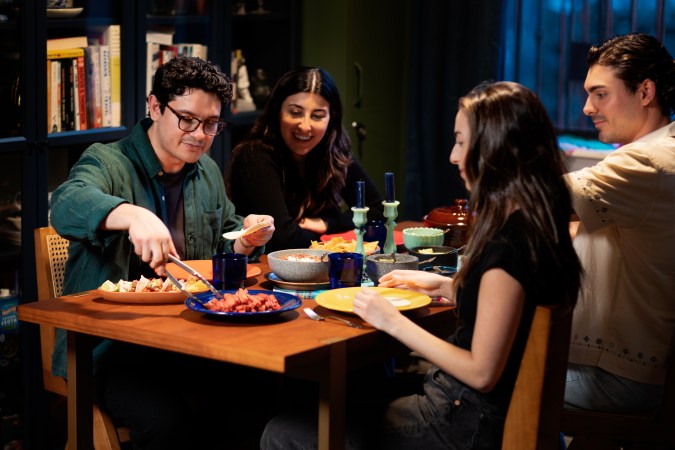
Dillanes encountered SPAM through an entirely different path. Growing up, his family’s default takeout choice was Chinese food from a local restaurant whose owners treated them like family. As he grew older, Asian cuisines became his first major culinary exploration outside of Mexican cooking, and it was specifically through Korean cooking that he discovered SPAM. Noting that SPAM is widely utilized across many popular Korean dishes, he developed a genuine appreciation for it. During a period when he lived with a Korean roommate, the two regularly swapped recipes, with Dillanes teaching traditional Mexican dishes in exchange for learning authentic Korean cooking techniques.
For his Noche de Vecinos contribution, Dillanes crafted a fusion dish: SPAM Classic fried corn quesadillas. He presses fresh corn tortillas entirely by hand, layers them with Monterey Jack cheese and a savory SPAM-and-onion mixture, and intentionally overstuffs them so that the cheese spills out and fries directly in the oil. This creates crispy, crackly cheese edges that he considers the best part of the dish. By replacing traditional fillings with SPAM, he maintains the signature saltiness and bite of a classic quesadilla while adding a modern fusion inflection. He considers the creation a close relative of a Mexican grilled cheese, noting that SPAM Classic serves as an ideal addition to a fried quesadilla. He finishes the dish with a tangy, crunchy pickled cabbage-and-onion cortado that he keeps stocked in his refrigerator at all times.
It Was Never Really About the Food
When asked what he loves most about cooking for others, Villalpando candidly admits that hosting did not always come naturally to him. His earliest dinner parties were, by his own description, a stressful nightmare characterized by sweating over the oven and feeling far too anxious to socialize while his guests enjoyed themselves.
Over the years, however, his perspective shifted dramatically. He realized that the gathering was never really about the food itself, but rather about what the food creates in terms of atmosphere. He frequently relies on the Spanish word ambiente to describe that intangible feeling of bringing friends, family, and even strangers together under one roof.
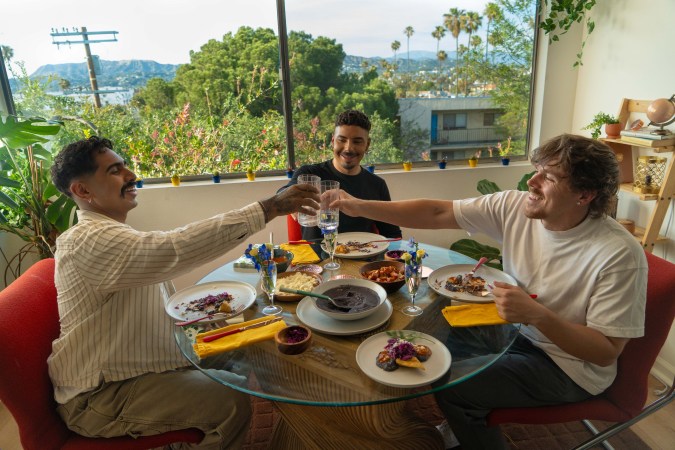
Dillanes shares that exact sentiment from personal experience. Every Sunday, he hosts gatherings he refers to as family dinners, though the attendees are not related by blood. Instead, they comprise his chosen family—individuals he deeply cares for and has connected with throughout his adult life.
For Dillanes, cooking functions simultaneously as a personal love language and a deliberate act of service. He finds particular joy in introducing SPAM as a small, unexpected culinary adventure to friends who have never tried it before, watching their eyes open up when they realize how well it works at the center of a dish. Ultimately, that remains the core spirit of both creators’ work: taking something deeply rooted in their personal identities, elevating it through thoughtful preparation, and carrying it next door to share.