








As the United States demographic landscape continues to evolve, the composition of the nation’s professional workforce faces intense scrutiny regarding how well it mirrors the communities it serves. By 2025, Latinos accounted for 20 percent of the entire U.S. population, signaling a profound shift in the country’s cultural and demographic makeup. In specific regions, this growth is even more pronounced; in California, for example, Latinos already comprise 40 percent of the populace, with projections estimating that they will make up half of the state’s residents by 2050.
Despite these shifting demographics, a striking disparity remains in the professional sectors tasked with serving these growing communities, most notably in healthcare. Many Latino populations continue to encounter persistent structural hurdles when attempting to access adequate medical care. Language barriers, institutional complexities, and systemic gaps frequently converge to produce significantly worse health outcomes for Latino patients compared to other demographic groups.
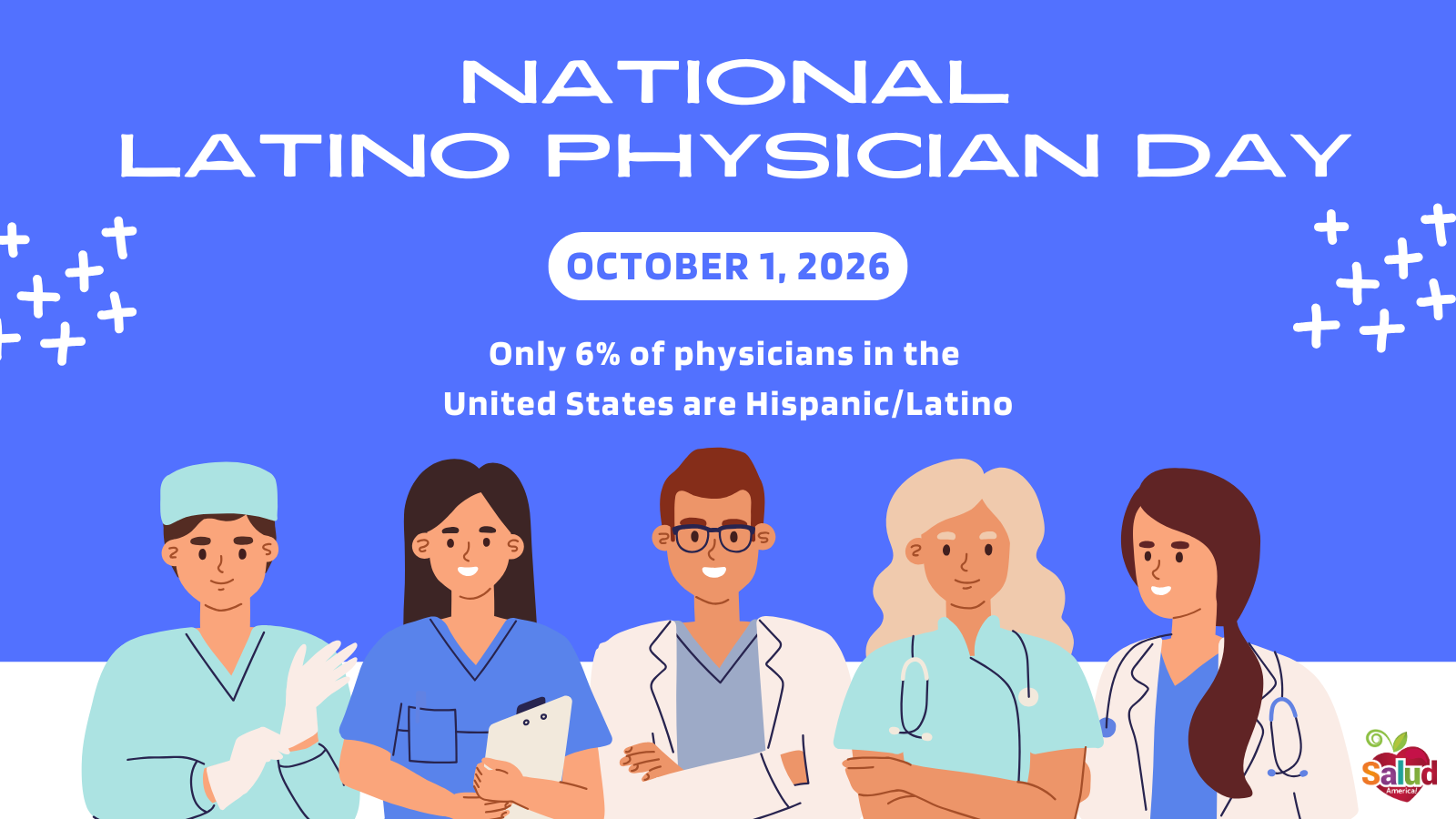
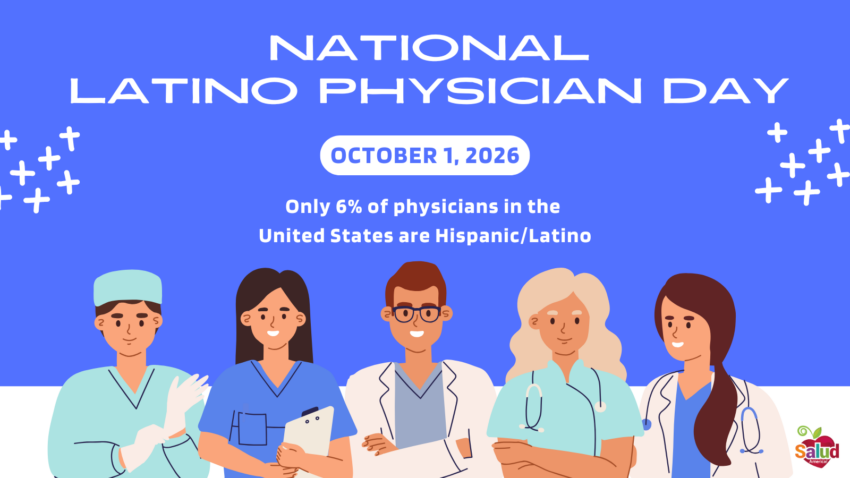
Public health advocates argue that one of the most effective ways to address these disparities is by intentionally increasing the number of Latino physicians. Yet, despite making up a fifth of the national population, Latino doctors account for a mere 6 percent of the total physician workforce. As the nation grapples with a deepening shortage of healthcare personnel, policymakers, medical professionals, and community leaders are increasingly asking a critical question: How can the United States successfully increase the number of Latino physicians?
This pressing dilemma serves as the central focus of National Latino Physician Day, observed annually on October 1. The awareness day seeks to bring national attention to the severe underrepresentation of Latino doctors, the systemic barriers preventing aspiring medical students from entering the field, and the direct impacts these workforce gaps have on patient care.
How Did National Latino Physician Day Start?
National Latino Physician Day was established in 2022 by Dr. Michael Galvez and Dr. Cesar Padilla, two medical professionals who recognized an urgent need to draw public and institutional attention to the acute shortage of Latino physicians. Their founding vision was clear and focused on improving clinical outcomes through culturally responsive care.
The core mission of National Latino Physician Day is to improve the quality of healthcare for the United States Latino patient population by actively increasing the number of Latino physicians who provide culturally concordant care. Cultural concordance—having a healthcare provider who shares a patient’s language, cultural background, and understanding of lived experiences—plays a vital role in building trust, improving diagnostic accuracy, and ensuring patient adherence to medical advice.
Recognition for the initiative quickly grew beyond grassroots advocacy. In 2023, National Latino Physician Day was formally introduced for recognition in the U.S. Senate by Senator Alex Padilla and Senator John Cornyn, while a companion effort was led in the U.S. Congress by Dr. Raul Ruiz and Dr. Yadira Caraveo. Lawmakers involved in the legislative push emphasized the tangible benefits of a diverse medical workforce.
Having doctors who can communicate fluently in their patients’ native language and genuinely understand their background and core beliefs leads directly to better health recommendations and more favorable outcomes, as Dr. Ruiz noted in legislative announcements. Momentum for this recognition continued into late 2026, when U.S. Representative Raul Ruiz introduced a formal House resolution on September 17, 2026, expressing ongoing support for the official federal designation of October 1 as National Latino and Latina Physician Day.
Why is National Latino Physician Day Needed?
The observance of National Latino Physician Day arrives during a complex period marked by significant policy shifts affecting public health programs. Recent legislative and administrative decisions have moved to decrease access to vital safety-net programs like Medicaid and Medicare. These sweeping policy changes involve increased administrative hurdles to participation, stricter eligibility criteria, more frequent and complex renewal processes, and substantial financial cuts.
Public health analysts project that these cumulative modifications will strip healthcare coverage away from 14 million Americans over the next decade. Among those disproportionately impacted are an estimated 4 million Latinos who stand to lose their coverage. Beyond the immediate threat to individual well-being, these coverage losses place mounting, unsustainable stress on hospitals and community clinics that are already operating under severe staff shortages.
Current projections indicate that the national physician shortage could reach up to 86,000 doctors by 2036, according to data highlighted by National Latino Physician Day organizers. This deepening crisis unfolds during a period when fear and general distrust of the healthcare system are running exceptionally high among marginalized communities.
A primary driver of this apprehension is the rising presence and visibility of immigration enforcement activities within Latino neighborhoods across the nation. The heightened enforcement climate has created a chilling effect, causing many individuals to actively avoid, postpone, or entirely delay necessary medical care. Consequently, treatable conditions often escalate into severe health crises, leading to persistently worse health outcomes across the population. To successfully dismantle these persistent threats to Latino health, public health advocates maintain that the nation must actively expand its pool of Latino and Latina physicians.
Hurdles to Becoming a Latino Physician
The severe lack of Latino physicians is not an isolated phenomenon; rather, it is rooted in a complex web of socioeconomic challenges and non-medical drivers of health. These foundational factors include widespread disparities in financial resources, unequal access to nutritious and affordable food, and systemic housing inequities that destabilize families and communities.
Among these challenges, one of the most formidable roadblocks is the lack of equitable opportunities for higher education, which serves as a mandatory prerequisite for anyone pursuing a career in medicine. Although Latino enrollment in four-year higher education institutions has experienced notable growth over the past two decades, Latino students remain among those at the highest risk of withdrawing from post-secondary academic programs before completion. A recent survey conducted by the Lumina-Gallup State of Higher Education highlighted this vulnerability, noting that Hispanic students face disproportionate risks of leaving their degree programs prematurely.
Navigating predominantly non-Latino academic spaces often exposes students to high levels of cultural friction and stress. Differences in background values, coupled with the pressures of cultural adjustment, create heavy psychological burdens. These stresses frequently elevate the risk of mental health issues that may go unaddressed due to persistent social stigmas surrounding mental health care within various communities, ultimately contributing to higher institutional drop-out rates.
Financial pressures represent another critical barrier. According to a Pew Research Center study, 71 percent of surveyed Latinos who did not enroll in degree programs cited the immediate necessity of working to financially support their families. Additionally, 69 percent pointed directly to the prohibitive cost of attending a four-year college.
The financial burden only multiplies when considering the trajectory required to become a licensed physician. Aspiring doctors must complete four years of undergraduate education, followed by another four years of rigorous medical school, several intensive years of residency training, and often an additional fellowship program for specialized fields of medicine. The resulting financial debt is staggering. Data from the Education Data Initiative indicates that the average debt for a medical school student exceeds $200,000. Furthermore, approximately 75 percent of Latino medical students carry debt at a median amount of $200,000, compared to 71 percent of White students.
Studies from the Pew Research Center indicate that Latino graduates are statistically more likely to carry heavy debt loads and experience difficulties repaying educational loans. This long-term financial strain can severely impact an individual’s financial milestones later in life, restricting their ability to secure mortgages for homes, obtain traditional credit, and build generational wealth. Furthermore, Latinos are historically less likely to remain enrolled beyond the traditional six-year graduation window when pursuing a bachelor’s degree compared to their White peers. Recent federal adjustments to student loan borrowing limits have further constricted the amount of funding available through federal programs, widening the affordability gap for students pursuing lengthy, professional educational paths.

Addressing Hurdles to Higher Education
Overcoming these deep-seated disparities requires a concerted, structural effort to make both undergraduate and medical education significantly more accessible to Latino students and other underrepresented groups. Experts emphasize that building these educational pathways must begin long before college, starting within the K-12 public education system where educational inequities often take root as early as kindergarten.
One of the most effective strategies proposed by educators and researchers is increasing the representation of teachers from diverse backgrounds at both the K-12 and collegiate levels. Educators who reflect the demographic makeup of the student body are often uniquely positioned to understand a student’s cultural background and effectively tailor their instructional approaches to meet specific learning needs.
However, public school systems across the United States are far from uniform. Schools located in economically disadvantaged urban and rural areas frequently suffer from chronic underfunding. Consequently, these institutions are often equipped with fewer educational resources, outdated technology, limited classroom supplies, and a lack of specialized preparatory programs designed to position students for future academic success.
To combat these systemic inconsistencies, organizations like The Brookings Institution recommend the implementation of targeted summer school and comprehensive afterschool programs designed to close persistent learning gaps. At the high school level, educational districts should prioritize investing in robust technology curricula, such as computer science courses, integrated directly into core coursework. Such initiatives help prepare Latino students and their peers for high-demand careers across the science, technology, engineering, and math fields.
Furthermore, fostering formal institutional partnerships between local high schools and Hispanic-Serving Institutions can open critical pathways for students seeking to transition into higher education. Nationally, more than 500 HSIs currently serve over 4.7 million students, according to federal figures. Despite their proven track record of supporting diverse student populations, the long-term stability of these institutions faces potential threats as federal grant funding has experienced significant reductions or outright eliminations in recent budget cycles. Analysts note that the mere existence of these institutions is insufficient; the U.S. Department of Education must actively invest in the sustained growth, infrastructure, and resource expansion of HSIs to ensure they can continue supporting the next generation of professionals.
Through targeted institutional investments, policy changes, and dedicated awareness initiatives like National Latino Physician Day, advocates hope to dismantle the barriers standing between talented students and the medical profession, ultimately working toward a more equitable healthcare system for all Americans.