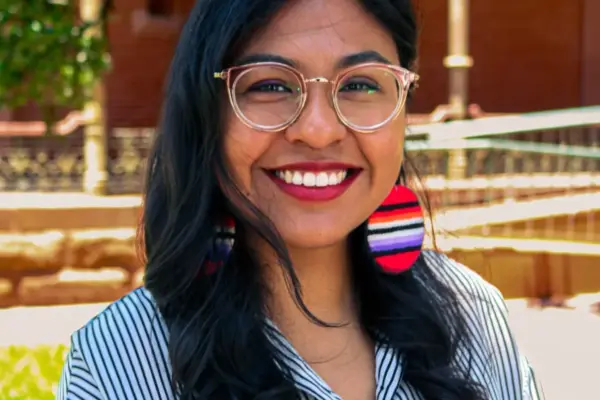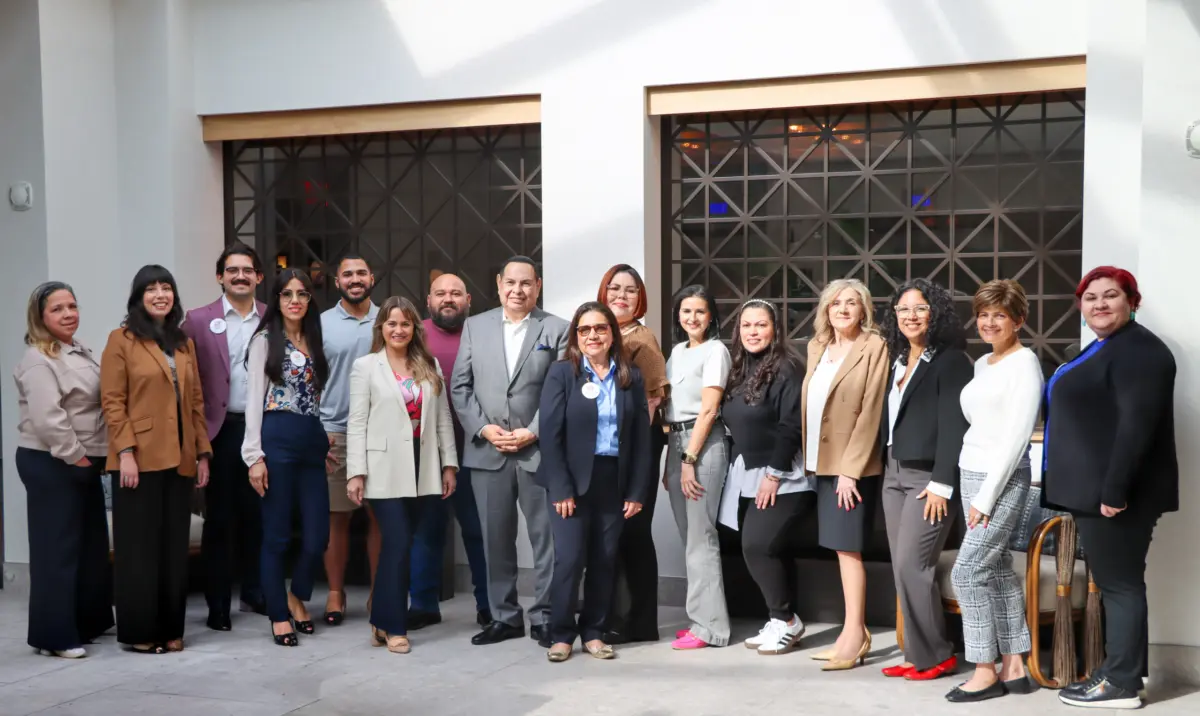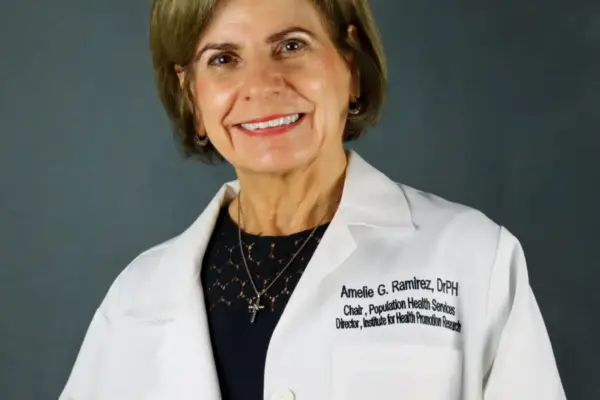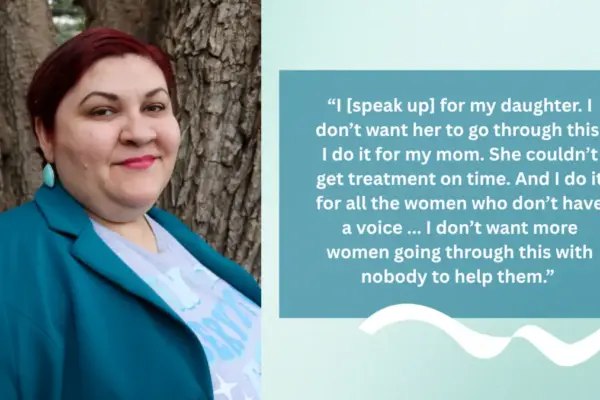






As a young girl growing up in Colombia, Dr. Marcela Mazo Canola was not entirely certain what path she would ultimately follow, but she held a steadfast dream of making a tangible difference in the lives of others. Pondering whether to enter politics or work within a health ministry, she envisioned a future dedicated to public service and community upliftment. Today, that childhood ambition has materialized in a deeply impactful career as a breast medical oncologist at the Mays Cancer Center at UT Health San Antonio. In her current role, Dr. Mazo Canola is not only treating patients facing life-altering diagnoses but is also actively contributing to groundbreaking research aimed at improving cancer care and health outcomes for the Latino population and communities at large.
Reflecting on her journey from those early days in South America to the academic medical center in Texas, she acknowledges the alignment between her youthful aspirations and her daily reality. Although her profession is different from what she originally imagined, she recognizes that the core mission remains identical. During Hispanic Heritage Month, health advocacy initiatives like Salud America! routinely spotlight healthcare heroes and community leaders who strive to bridge health disparities. Dr. Mazo Canola’s story offers a compelling look into how compassion, cultural representation, and rigorous scientific inquiry intersect to help people in San Antonio and far beyond.
Rooted in Helping Others
Dr. Mazo Canola’s dedication to the well-being of others took root during her formative years in Colombia. Growing up in a developing nation exposed her early on to stark disparities in healthcare access and quality. Witnessing firsthand how socioeconomic factors could dictate a person’s medical fate instilled in her a profound sense of social responsibility. Initially, she weighed options such as public office or health administration as vehicles for systemic change, but she ultimately realized that the practice of medicine offered a direct, hands-on way to touch lives.
Driven by this realization, she earned her medical degree from CES University in Colombia. Eager to expand her clinical expertise and engage in advanced research, she subsequently moved to the United States and joined UT Health San Antonio. During her time there, she completed an intensive year of medical research, followed by her internship and residency in internal medicine, and ultimately specialized fellowship training in hematology and medical oncology. Her academic and clinical excellence during this period was formally recognized when she was awarded the Outstanding Resident Medicine Clerkship. Throughout her training, she maintained a sharp focus on equity, striving to ensure that every patient received the same high standard of care regardless of background.
A Calling to Oncology
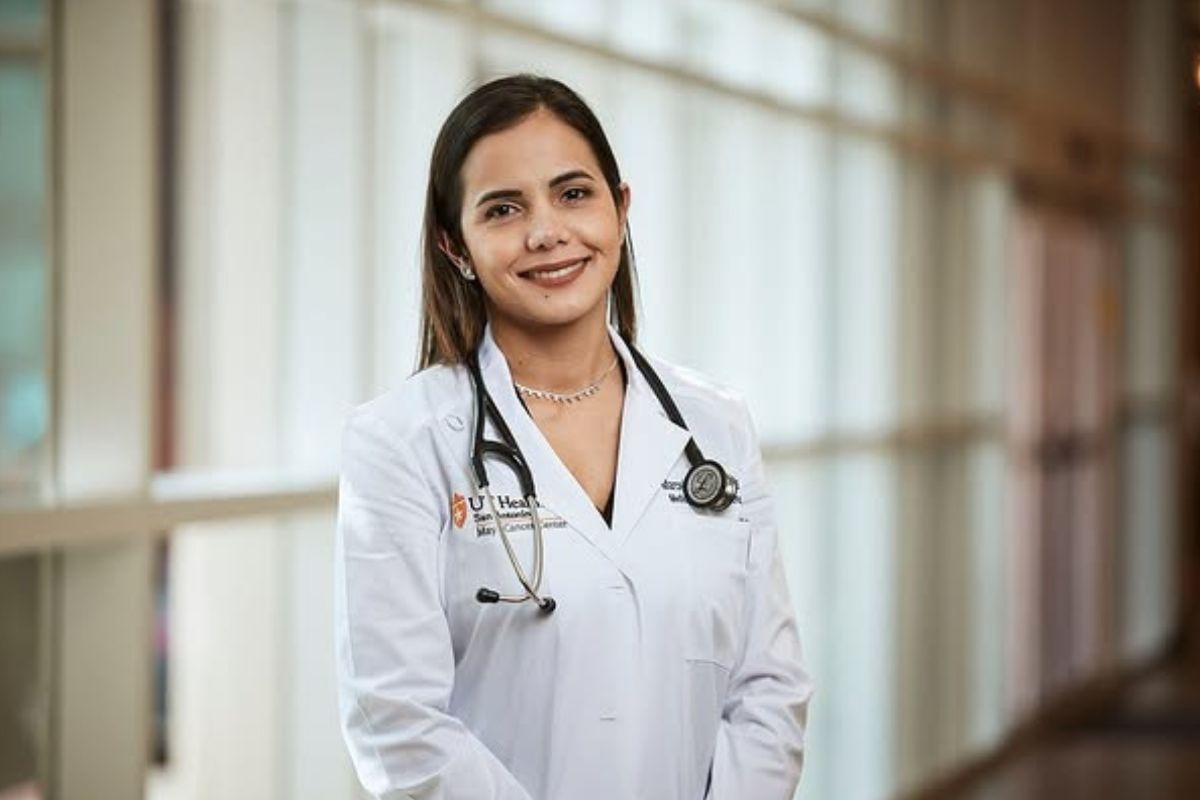
A pivotal turning point in Dr. Mazo Canola’s career occurred during the early stages of her residency, shaping her understanding of culturally relevant patient care and cementing her trajectory toward oncology. During one of her very first clinical encounters, she experienced the immediate emotional shift in patients who were suddenly able to communicate fluently in Spanish with their physician. This interaction brought the profound barriers of language and culture into sharp focus, illuminating how communication gaps can directly contribute to disparate health outcomes and restricted access to necessary medical interventions.
That formative experience planted a lasting seed of inspiration, solidifying her commitment to supporting the Latino population within any clinical capacity available to her. Later, while working as an intern in oncology departments, she observed the intricate and deeply meaningful dynamics of the relationship between oncologists and their patients. She realized that oncology represented the ideal synthesis of her professional passions: the captivating, fast-paced scientific advancements of modern medicine paired with the profound human connection of serving individuals during their most vulnerable moments.
A Passion for Research and Patient Care
After spending several years practicing as a medical oncologist and hematologist in South San Antonio, Dr. Mazo Canola returned to UT Health San Antonio in 2021 to dedicate her expertise specifically to the field of breast oncology. In her current position, she evaluates and treats patients dealing with breast cancer and pre-malignant conditions. Her daily clinical work requires close collaboration with multidisciplinary teams, including surgeons and radiation oncologists, to administer treatments such as chemotherapy and develop comprehensive care plans.
Beyond her direct clinical responsibilities, Dr. Mazo Canola maintains an active portfolio in clinical research and institutional collaborations. Her current scientific endeavors include a prominent research project focusing on germline mutations in Latina women. Germline mutations are genetic alterations present within reproductive cells that can be inherited from parents. Some of these variations increase a person’s lifetime risk for various cancers, not just breast cancer. Significantly, researchers have observed that the Latina population can present with specific genetic mutations that have not yet been fully described in medical literature.
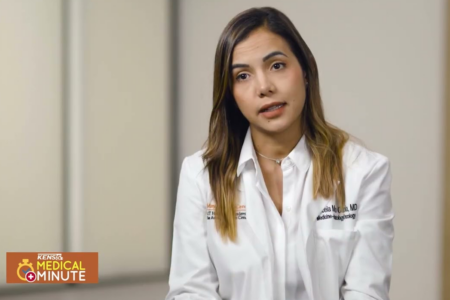
Dr. Mazo Canola emphasizes the critical importance of uncovering these details to better understand cancer risks among Latinos. As a Latina researcher and clinician, she feels a personal connection and deep passion for educating her community, raising awareness about genetic testing, and encouraging broader participation in clinical trials. She notes that scientific observations frequently point toward distinct biological differences, noting that tumors in Hispanic patients can sometimes exhibit a genetic mix with a more aggressive biology compared to non-Hispanic populations. By advancing research in this area, she hopes to help mitigate the heavy burden of cancer within the community.
Latina Representation in the Clinical Setting
For Dr. Mazo Canola, the value of representation and cultural awareness in medicine cannot be overstated. Extensive healthcare data demonstrates that patients often feel more secure, understood, and comfortable when they are treated by medical professionals who share their cultural background, speak their native language, and reflect their own identities. This understanding guides her daily interactions and reinforces her commitment to providing empathetic, patient-centered care.
Balancing a demanding medical career with personal life requires resilience, and Dr. Mazo Canola draws immense motivation from her family, particularly her husband and two sons, and her desire to set a positive example for them. Despite the inevitable challenges that arise in oncology, she views her profession as a profound privilege. The ability to make a tangible difference in a patient’s life is, in her view, entirely priceless. While universal access to healthcare remains a complex goal involving many societal factors, she remains hopeful about moving closer to that ideal. Outside of the hospital, she enjoys spending her free time traveling, cooking, exercising, and watching soccer matches with her family.
Looking to the Future of Breast Oncology
Looking ahead, Dr. Mazo Canola remains focused on making lasting contributions to the field of breast oncology and uncovering the underlying biological mechanisms that affect Latino cancer patients. She is convinced that answering these scientific questions will eventually translate into significantly improved medical outcomes. For young Latinos aspiring to enter the medical field, her message is straightforward: achieving meaningful goals requires dedication and hard work, but the ultimate path is profoundly rewarding.
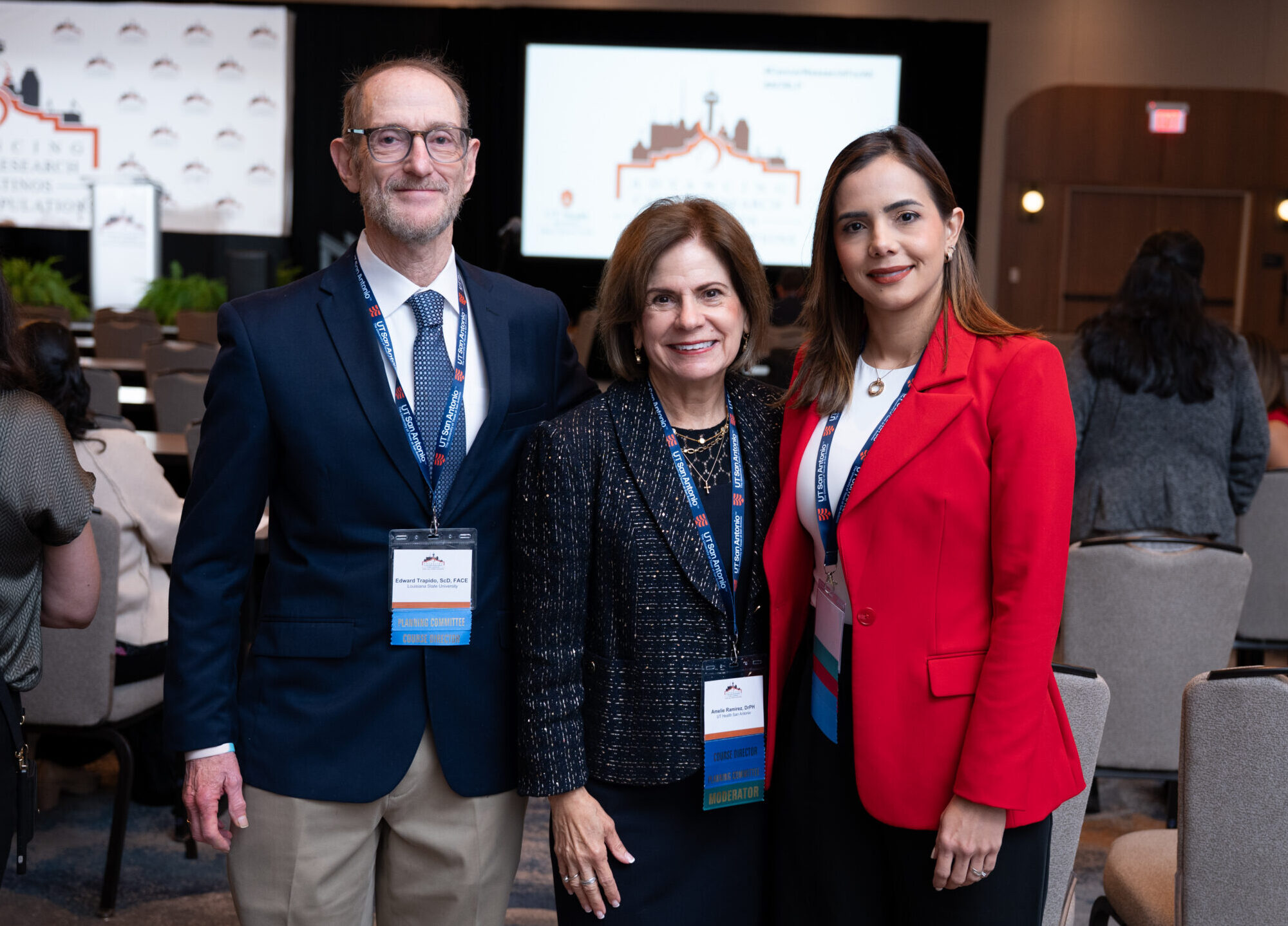
By working within an academic medical institution equipped to provide comprehensive services to anyone in need, Dr. Mazo Canola feels that her daily work honors the dreams she held as a young girl in Colombia. The intersection of compassionate patient care, advanced scientific research, and community education allows her to fulfill that vision every day.
The broader medical community continues to emphasize that clinical research is essential for driving progress in health outcomes. Clinical trials—structured studies involving volunteers that explore innovative ways to find, prevent, and treat diseases—are vital tools for moving medicine forward. Programs like Salud America! actively work to highlight open clinical trials and share the personal stories of Latinos who have chosen to participate. Patients and families in the San Antonio area seeking information on available research opportunities can consult the Mays Cancer Center at UT Health San Antonio Find a Clinical Trial database to learn more about eligibility requirements, while national searches can be conducted through clinicaltrials.gov.