










The back-to-school season carries a distinctly emotional weight when a student is the first in their family to head to college. For first-generation scholars, the transition from home to campus is rarely just about purchasing new notebooks or assembling the ideal first-day outfit. It represents a profound milestone—carrying generations of collective hope, sacrifice, and expectation directly into the university classroom, while figuring out how to build an independent life once the lectures end for the day.
This unique rite of passage is often met with a blend of intense pride and protective anxiety from parents, sometimes punctuated by classic family gestures like abuelita slipping a twenty-dollar bill into a backpack with a whispered “por si acaso, mija.” Yet, as academic institutions across the country prepare for another incoming class, educators and student advocates emphasize that a truly successful school year cannot be measured by grade point averages alone.
Navigating higher education as a first-generation student also means learning how to make limited financial resources last, managing stress when academic pressure intensifies, staying closely connected to the tight-knit support systems back home, and carving out moments of leisure that serve as a reminder that school is only one component of a person’s identity.
When families look for practical ways to support their college-bound students, predicting exact academic requirements can be a challenge. To bridge that gap, tools like the Apple Gift Card have increasingly become a versatile resource. By functioning as a flexible funding option for learning applications, wellness tools, e-books, and digital subscriptions, these cards allow students to secure the specific resources they need most as their academic routines evolve.
A Little Help Managing Your Money
For many undergraduate students, managing a semester budget feels like taking on an entirely separate course load. Transitioning to campus life frequently introduces young adults to financial independence for the very first time. Suddenly, students are personally responsible for overseeing financial aid packages, coordinating grocery runs, purchasing required textbooks, paying for transportation, and splitting shared apartment expenses with roommates—all while navigating the reality of how quickly daily expenses can accumulate.
Budgeting and personal-finance applications available through platforms like the App Store have become essential tools for helping students track their daily spending, establish realistic financial limits, split shared utility or housing costs with roommates, and gain a clearer understanding of where their money is actually going. Additionally, organizational tools such as Apple’s Calendar and Reminders applications help prevent crucial dates—such as tuition deadlines, bill payments, scholarship application windows, and work shifts—from getting lost in the overwhelming chaos of university life.
Learning how to stretch a dollar is widely recognized as one of those foundational life lessons that follows individuals long after graduation day. By utilizing flexible funding options like an Apple Gift Card, students can easily download and integrate a diverse range of budgeting apps, productivity software, and organizational resources right as the semester gets underway.
Wellness That Works With Your Schedule
First-generation college students frequently arrive on campus carrying significantly more than what can physically fit inside a standard backpack. Alongside the rigorous intellectual demands of higher education, these students often carry the internal and external pressure to succeed, driven by a deep desire to make their families and supporters proud while adapting to an entirely unfamiliar social and physical environment.
Because of these multifaceted stressors, maintaining personal well-being cannot be treated merely as a luxury or a reward earned only after achieving a high grade. Establishing healthy, sustainable ways to decompress is a fundamental necessity for mental health.
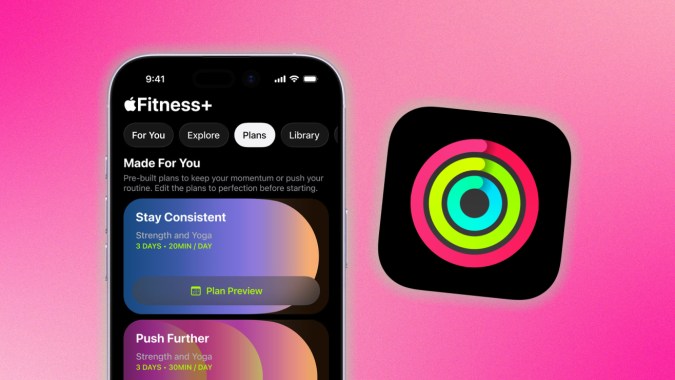
Platforms like Apple Fitness+ offer guided physical workouts, yoga flows, and meditation sessions designed to seamlessly fit between demanding classes or inside the cramped quarters of a shared dorm room. Recognizing the tight schedules of modern undergraduates, some of these wellness sessions are structured to be as short as five minutes, making them accessible even during the most demanding weeks of the semester.
Furthermore, journaling and mindfulness applications from the App Store—which can be conveniently accessed using flexible digital gift cards—provide students with a private, gentle practice for processing complex emotions, academic anxieties, and personal reflections without feeling immediate pressure to report every struggle back to the family group chat.
A Soundtrack for Every Version of You
Anyone who has ever attempted to study trigonometry in a bustling household full of boisterous primos or in a university residence hall with paper-thin walls understands that high-quality headphones are not a superficial luxury; they are a vital tool for academic survival. Premium hardware solutions, such as wireless over-ear headphones, deliver the crisp, focused sound quality required for marathon library study sessions, virtual online lectures, and long-distance video calls home to family members.
When paired with comprehensive streaming services like Apple Music, students gain access to a versatile audio landscape tailored to every mood and academic requirement. This might range from instrumental lo-fi beats designed to power through an all-night research paper, to energetic reggaeton tracks accompanying the brisk morning walk across campus, down to specialized playlists crafted specifically to evoke the comforting familiarity of home during moments of homesickness.
Both hardware necessities like advanced wireless headphones and ongoing entertainment subscriptions can be seamlessly integrated and maintained through the flexible use of digital gift cards designed for student lifestyles.
Downtime Without the Guilt
Allowing time for genuine rest and recreation is an essential, if often overlooked, part of any dedicated student’s daily syllabus. Engaging in leisure activities helps prevent academic burnout and preserves mental health over the course of a rigorous semester. With the flexibility provided by digital gift cards, students can easily explore a curated selection of games, literature, and entertainment options tailored precisely to their personal schedules and unique interests.

Gaming platforms designed specifically for uninterrupted play offer ad-free experiences without hidden in-app purchases, making it simple for scholars to decompress for a few minutes between classes or unwind after a demanding day of lectures. Similarly, streaming television services can transform a standard dorm room into an impromptu movie theater, while simultaneously serving as a bridge for family traditions, allowing students to watch the same television series or movies alongside relatives living in entirely different cities.
For those seeking literary diversions, digital book platforms offer an expansive escape, featuring the latest literary works by contemporary Latine authors alongside required reading materials for humanities courses. This balance of entertainment and culture ensures that students retain access to stories that resonate with their lived experiences.
Ways to Stay Curious Outside the Classroom
The intellectual curiosity sparked by higher education often extends far beyond the strict boundaries of a standard course syllabus. Access to digital news publications, language-learning programs, and creative software allows students to explore the broader world on their own terms. Comprehensive news aggregation services help scholars stay directly connected to contemporary journalism, cultural commentary, political reporting, and the specific news stories directly impacting their home communities.
In addition to current events, specialized language-learning applications assist students in refining their academic English proficiency, maintaining fluency in Spanish, or beginning the journey of exploring an entirely new language from scratch.
Creative software applications also provide a much-needed outlet for students to experiment outside the rigid confines of their chosen academic majors. Whether that involves editing digital video content, sketching out visual ideas, or producing original music, these tools reinforce the idea that not every personal interest needs to be immediately converted into a professional career track. Sometimes, cultivating pure curiosity is more than enough.
Ultimately, providing students with adaptable resources like the Apple Gift Card offers them the autonomy to decide what kind of support they require most at any given moment. Rather than restricting aid to a single category, a single card distributed in flexible budget amounts can support far more than just the academic work happening inside the lecture hall. It can assist a student in establishing healthy daily routines, safeguarding their emotional well-being, exploring diverse personal interests, and successfully constructing an independent life that feels genuinely authentic to who they are. It serves as a practical, modern expression of a timeless encouragement: échale ganas—but always remember to take care of yourself along the way.