








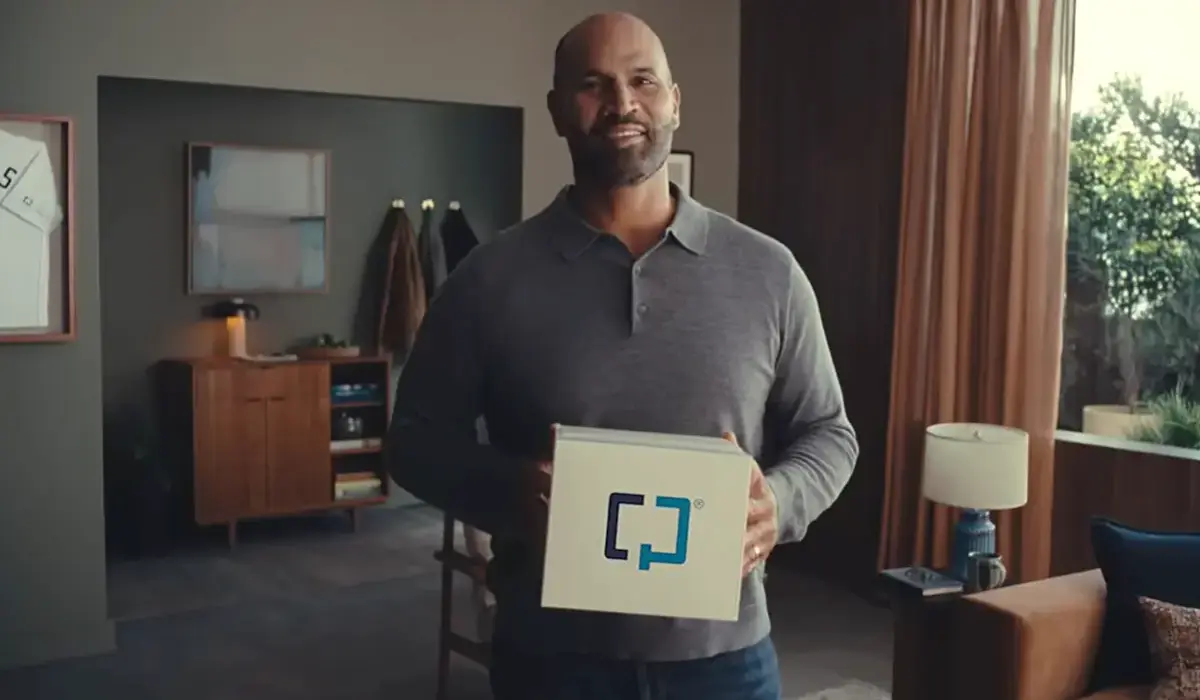
If you are 45 or older, healthcare advocates and medical professionals say it is time to step up to the plate and address a critical health milestone: getting screened for colon cancer.
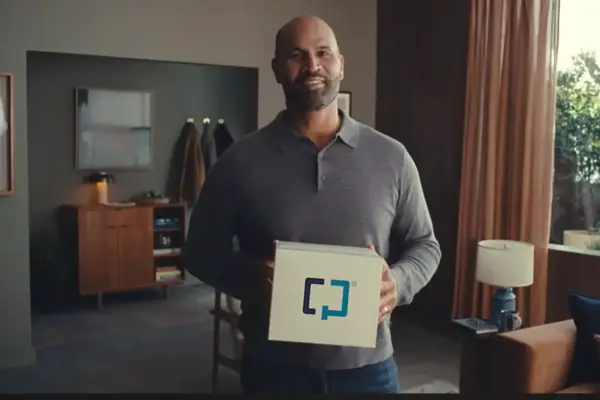
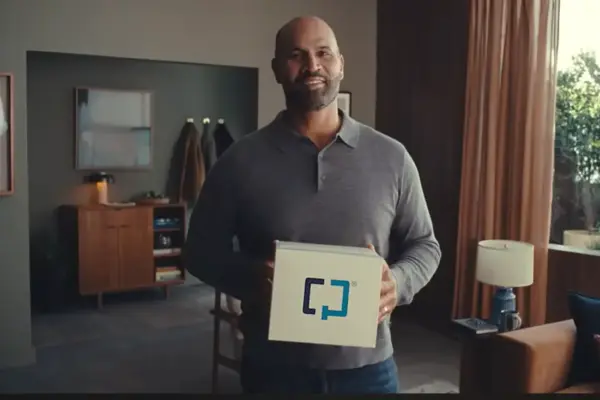
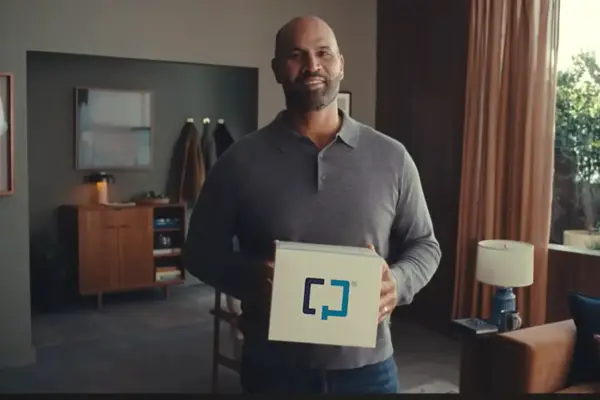
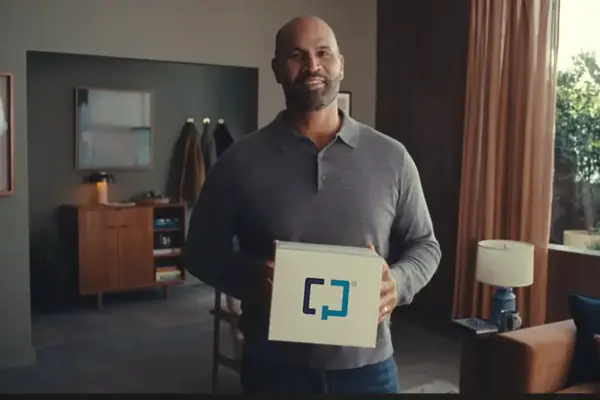
That is the core message behind a new, high-profile, bilingual advertising campaign launched by Abbott. Titled "Mind Your Behind," the baseball-themed campaign promotes the Cologuard Plus test, an at-home screening option designed to detect colorectal cancer early. To bridge the gap between sports fandom and preventative healthcare, the campaign features baseball legend Albert Pujols, who was born in the Dominican Republic, alongside current Seattle Mariners star catcher Cal Raleigh.
Healthcare advocates note that the initiative arrives at a crucial time. With nearly 60 million Americans currently remaining unscreened for colorectal cancer, public health officials continue to stress the urgent need for early detection and prevention strategies that resonate with everyday people.
About the Baseball Campaign for Colon Cancer Screening
The "Mind Your Behind" campaign leans into a lighthearted, "cheeky" concept, playfully acknowledging the typical fascination baseball fans have with players’ backsides. By capitalizing on this familiar aspect of America’s pastime, the campaign aims to dismantle the stigma and discomfort often associated with discussing colorectal health.
"Colorectal cancer screening is serious, but how we talk about it doesn’t always have to be," said Jake Orville, Abbott’s Senior Vice President of Cancer Diagnostics. "We want to make screening easier to talk about and, more importantly, easier to act on."
For public figures like Pujols, who hit 703 home runs during a legendary Major League Baseball career, lending his voice to the cause was an easy decision. He recognizes that public reluctance remains a major hurdle in preventative medicine.
"I know colorectal cancer is not something everyone wants to talk about, but that’s why I wanted to be part of this campaign," Pujols said. "If a little humor gets people my age thinking about screening and letting them know about a test that they can fit into their everyday lives and use at home, that’s a good thing."
The campaign specifically encourages adults to consider stool-based screening options, highlighting Cologuard Plus as a preferred choice that can be completed every three years. Designed for convenience, the test can be used privately at home in approximately 15 minutes. Once completed, the sample is sent to a laboratory for analysis, requiring no special preparation, dietary restrictions, or invasive procedures prior to administration.
Cal Raleigh, who plays behind the plate as a catcher for the Seattle Mariners, echoed the sentiment of using star power to redirect public attention toward life-saving health habits.
"This campaign is a fun way for me to move their attention from that to something much more important," Raleigh said, referencing the campaign’s playful nod to a catcher’s positioning on the field.
Colon Cancer in Latinos
While colorectal cancer affects individuals across all demographics, the impact on specific communities is a matter of growing concern for public health researchers. Statistics from the American Cancer Society highlight that colon cancer is the second-leading cause of cancer death among Latino men and the third-leading cause among Latinas.
Geographic disparities further complicate the landscape. In Bexar County, Texas, for instance, more than half—specifically 57 percent—of colorectal cancers are diagnosed at a late stage. This late-stage diagnosis rate is notably higher than many other counties across Texas, underscoring deep-seated challenges in healthcare access, education, and early intervention within the region.
Medical experts emphasize that the symptoms of colorectal cancer can often be easily dismissed or misattributed to less severe conditions. Warning signs include blood in the stool, persistent constipation, and abdominal pain. Because these symptoms frequently overlap with common, less threatening ailments that tend to affect younger demographics, individuals often fail to recognize the potential severity until the disease has progressed.
For Pujols, reaching his mid-40s brought a personal realization about the necessity of proactive health maintenance. "Taking care of my health has always been important to me, and now that I’m in my mid-40s, colorectal cancer screening is part of that effort," he said.
Adults looking to learn more about the screening process or request a kit can visit the official Cologuard website, with dedicated Spanish-language information available for bilingual communities.
The Importance of Clinical Trial Participation
Beyond individual screenings, healthcare leaders emphasize that addressing widespread health disparities requires robust community engagement, particularly regarding clinical research. Conditions like cancer profoundly impact families, touching parents, grandparents, and loved ones across generations.
Public health advocates often frame clinical trial participation as a vital way to fight for one’s family and community. Clinical trials are carefully structured research studies that help scientists discover better ways to slow, manage, and treat cancer, dementia, and other significant health conditions, ultimately benefiting current and future generations. However, without diverse representation and active volunteers from all backgrounds, the resulting medical advancements may fail to adequately serve high-risk populations.
"Volunteers in clinical trials are not only helping themselves, but they’re also building a future with potentially better treatments that can help their families in the future," said Dr. Amelie Ramirez, director of Salud America! and the Institute for Health Promotion Research at UT Health San Antonio.
For individuals seeking opportunities to participate in research locally, resources are widely available. Those based in the San Antonio area can search the Mays Cancer Center at UT Health San Antonio’s clinical trial database to explore open studies and review specific eligibility requirements. On a national level, individuals interested in contributing to medical research can search comprehensive registries through federal platforms to locate studies operating in their local communities.